Master’s Application Guide and Living in the Madrid Region
Pursuing a master’s degree in Spain’s Madrid Region allows you to enjoy the resources and culture of a central European city while receiving high-quality education. Madrid is not only Spain’s political and economic hub but also home to many prestigious universities, such as Complutense University of Madrid, Autonomous University of Madrid, and Carlos III University of Madrid. They offer master’s programs taught in multiple languages, suitable for students from diverse backgrounds.
Choosing Universities and Majors
When selecting a university, rankings are important but so are your personal interests and career plans. For example, Economics and Management programs are highly popular at Carlos III University of Madrid, while science and engineering students often consider Madrid Polytechnic University. Most institutions offer courses taught in both Spanish and English, allowing you to choose based on your language proficiency.
| University | Featured Majors |
|---|
| Complutense University of Madrid | Law, Literature |
| Autonomous University of Madrid | Biological Sciences, Psychology |
| Carlos III University of Madrid | Economics, Communication |
Application Process and Materials
You generally need to start preparing application materials a year in advance, including transcripts, diploma verification, language certificates, reference letters, and a personal statement. Some programs may require a portfolio or an interview. Keep in mind that application deadlines vary significantly, so check the latest information on the official website of your target university.
Tuition and Living Costs
Living costs in Madrid are among the highest in Spain, yet still affordable compared to other European capitals. Master’s tuition fees range from €30 to €70 per credit, with total annual costs depending on the program. Housing is the largest expense: a one-bedroom apartment costs about €700-€1000 per month, while shared accommodation is more budget-friendly.
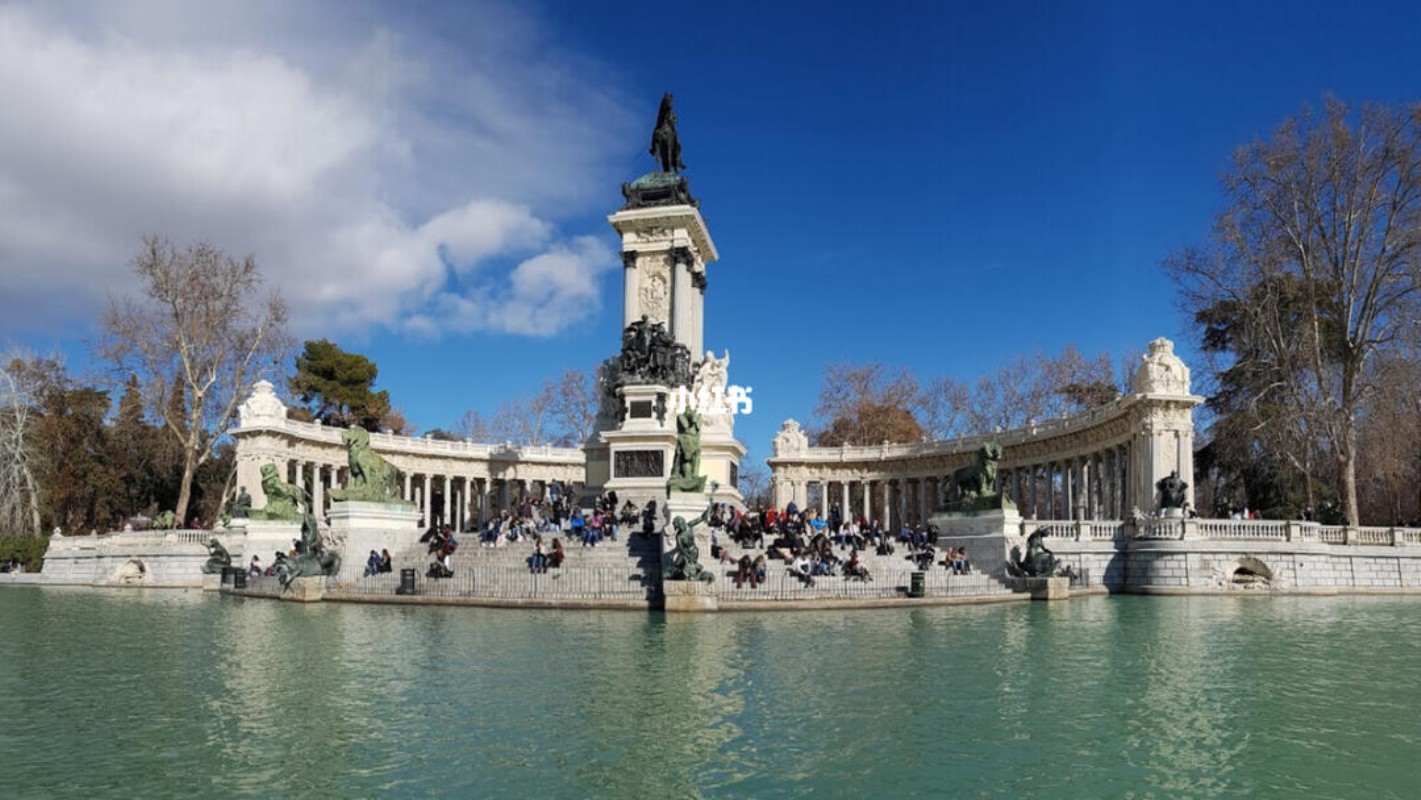
Living Experience and Tips
Life in Madrid offers a distinct four seasons, abundant cultural activities, and convenient public transportation. New students are encouraged to make use of the university’s international student services and participate in orientation week to quickly adapt to the environment. Do not neglect language skills—even if your program is taught in English, learning some Spanish will make daily communication much smoother.
Conclusion
Master’s programs in the Madrid Region provide diverse options and an excellent platform for students. If Madrid master’s you aim to broaden your international perspective while acquiring academic knowledge, this could be your ideal starting point. Preparing well for both applications and living expenses will make your study abroad journey more successful.
