The Charm and Practical Tips of Spanish Hotel Interior Design
Many visitors to Spain notice that local hotels not only meet functional accommodation needs but also reflect unique regional culture and lifestyle aesthetics through their design. Whether in fashionable boutique hotels in Barcelona or classical inns in the Andalusian countryside, there is an unforgettable spatial experience.
Fusion of Mediterranean and Modern Styles
In Spain, the Mediterranean style is almost a tradition. White walls, arched corridors, and blue elements evoke relaxation. Some designers, while preserving these classic features, skillfully blend modern minimalist lines by selecting sleek furniture and using open lobby layouts. This visual fusion can resonate with guests from diverse cultural backgrounds.
Materials and Sustainability
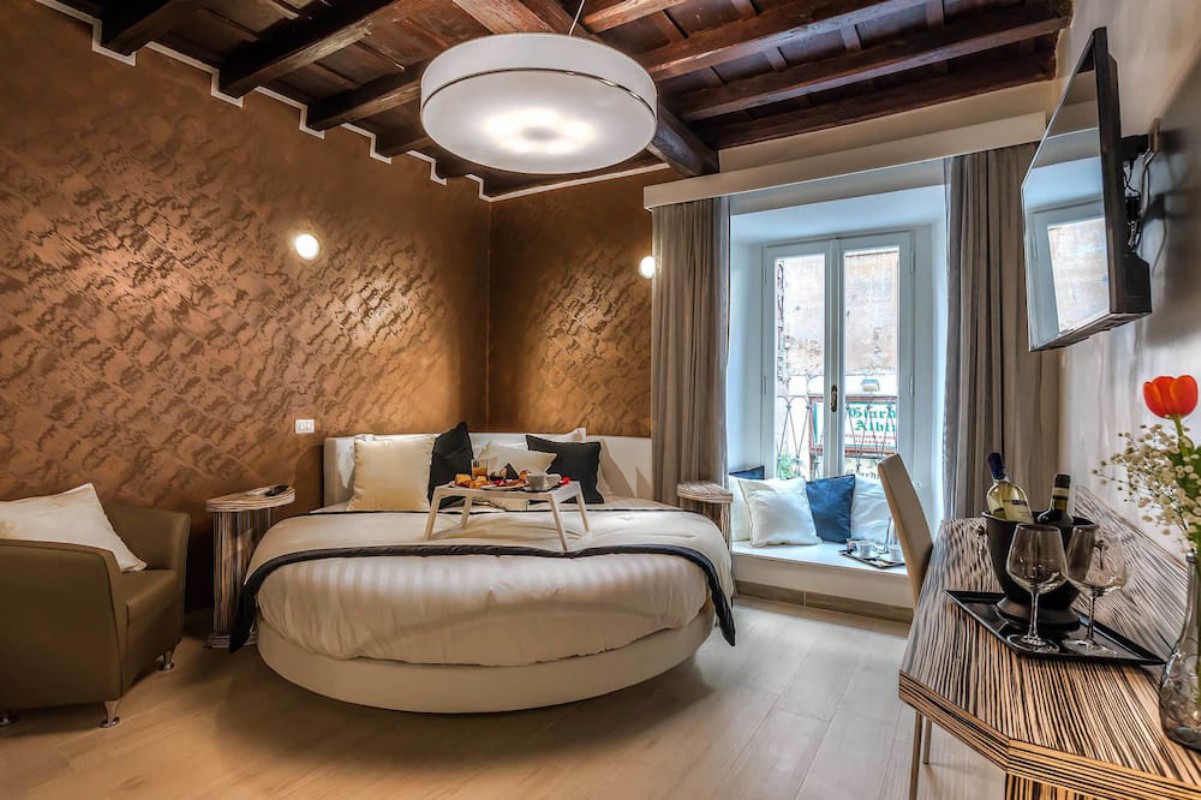
When choosing materials, local stone and wood are not only aesthetically pleasing but also reduce transportation costs. Many hotels incorporate renewable materials or energy-efficient lighting systems, which not only follow current trends but also enhance the hotel’s image. Some owners even install solar panels in public areas to cut energy consumption.
| Material Type | Advantages |
|---|
| Local stone | Durable, characteristic of the region |
| Solid wood furniture | Warm texture, eco-friendly |
| Recycled metal | Unique texture, sustainable use |
Space and Experience
In Spanish hotel design, spatial layout often takes into account the flow of light and air. Features such as balconies, courtyards, and terraces not only enrich spatial levels but also provide guests with Spanish hotel design companies places to enjoy the view and relax. Some hotels use Spanish hotel design folding doors or movable partitions to flexibly change space usage and improve efficiency.
Colors and Details
Spaniards are highly sensitive to color, often balancing warm and cool tones. For example, blue ceramics against warm brick walls create a contrast that makes the space both inviting and refreshing. Carvings, paintings, or handcrafted lighting fixtures add touches of local craftsmanship that guests can appreciate during their stay.
Conclusion
If Spanish hotel design you are planning to open or renovate a hotel in Spain, consider starting from local culture and natural surroundings to ensure the design is both beautiful and practical. Combining Mediterranean tradition with modern innovations can attract tourists and lay the foundation for sustainable hotel development. Such a design philosophy often fosters a positive reputation among both international travelers and local guests.
