Sharing Experiences in Renovating All-Inclusive Hotels in Spain
In Spain, many popular tourist destinations such as Barcelona, Malaga, and Ibiza feature numerous resorts offering all-inclusive services. These hotels not only provide all meals, entertainment, and activities for one set price, but their room and public area designs are also key attractions. Based on my stays and visits, I have summarized some important points in the renovation process to assist those planning to refurbish or invest in a hotel.
Positioning the Design Style
Many beachfront hotels in Spain adopt vibrant colors that reflect the surrounding natural environment. For example, along the Mediterranean coast, blue and white are often used together to create a fresh ambiance, while in rural Andalusian resorts, warm tones and wooden elements are preferred. Color choices should always be aligned with the preferences of your target clientele and local culture, making them distinctive yet not overly flashy.
Materials and Construction
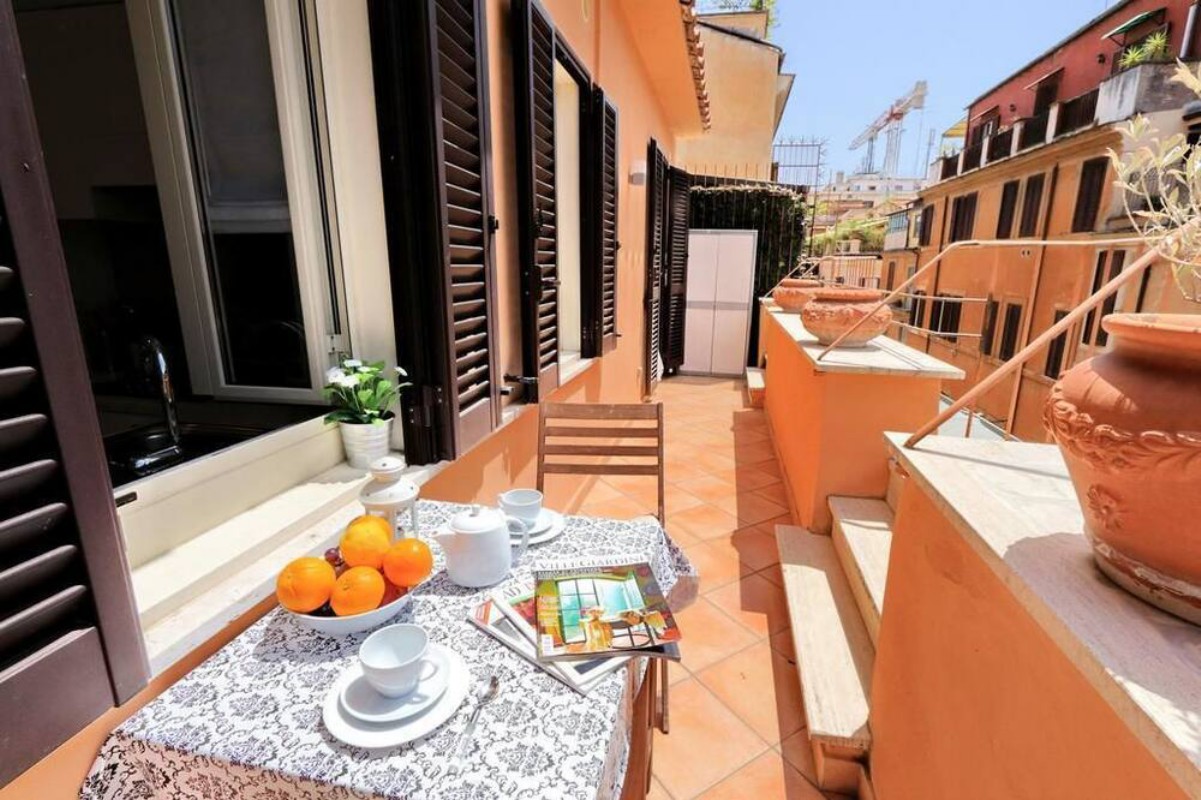
Never overlook the durability and eco-friendliness of materials. Coastal regions have high humidity, so it is recommended to choose wood and metal that are resistant to moisture and sea breeze corrosion. In addition, Spain’s building regulations set strict safety standards for public areas, so it is best to consult local government offices before construction to ensure compliance. Below are common materials and their suitable applications:
| Material | Suitable Location |
|---|
| Anti-corrosion wood | Balconies, outdoor corridors |
| Glazed tiles | Lobby, restaurant floors |
| Moisture-resistant gypsum board | Hotel room walls |
Spatial Layout and Functional Planning
All-inclusive hotel renovations should balance aesthetics with functionality. For example, when designing dining areas, think about guest flow during peak times; in entertainment zones, ensure soundproofing to avoid disturbing rooms. A well-thought-out spatial division can make the guest experience more comfortable and reduce future maintenance needs.
Cost and Budget Management
Many newcomers to hotel refurbishment tend to underestimate costs. Aside from Spain all-inclusive hotels material expenses, you must also consider labor, design fees, and licensing costs. In Spain’s top-tier cities, labor costs are relatively high, so it is advisable to set aside 10%-15% of your budget as a contingency for unforeseen expenses. Flexible budget management can reduce the risk of financial strain.
Conclusion and Discussion
Renovation is a long-term process requiring careful planning. If you have your own experiences with Spain all-inclusive family hotels, whether it’s recommending effective materials or tips to avoid pitfalls, feel free to share in the comments below. Doing so can help other investors and allow more Spain all-inclusive hotel apps users to enjoy a more comfortable vacation environment.
