Sharing Experiences in Spanish Learning and Training
After arriving in Spain, the thing that made me most nervous was the language barrier. Although many places in daily life have English signs, truly engaging in deeper communication requires Spanish. Especially when handling residency procedures, renting an apartment, or attending job interviews, being able to speak fluently makes life much easier. Therefore, I want to share some learning methods and experiences I have accumulated while living here.
Learning Integrated with Daily Life
Studying Spanish in Spain has the advantage of practicing in a real environment at any time. For example, when going to the market, prepare relevant vocabulary beforehand; while on the bus, listen to nearby conversations and imitate pronunciation and intonation. These are details you cannot learn solely from textbooks.
Combining Training Classes with Self-Study
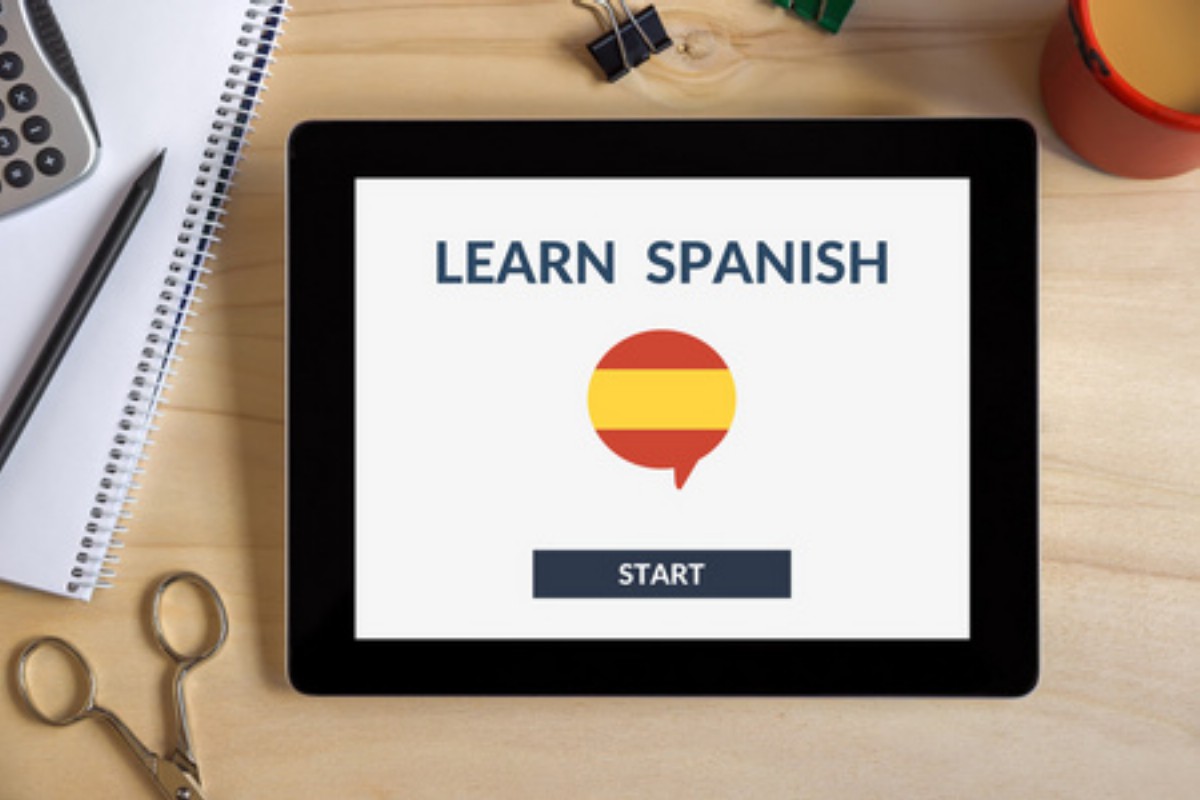
Many cities have affordable language training classes, such as community centers, NGO organizations, or language schools affiliated with universities. My personal approach is to attend classes twice a week, and in between, reinforce learning through the Spanish training institutions podcast, YouTube, and conversations with friends. Training classes at Spanish training schools provide systematic grammar learning and assignments to help you build a solid foundation, while self-study allows you to use time flexibly to strengthen your weak points.
| Learning Method | Advantages |
|---|
| Training Class | Highly structured, with teacher guidance |
| Self-Study | Flexible and free, content chosen according to interest |
Recommended Common Resources
- Podcasts: Coffee Break Spanish, Notes in Spanish
- Apps: Duolingo, Busuu
- Local Activities: Language exchange
Some of these resources are free, others paid; using them together can avoid the monotony of a single learning method. Language exchange is especially helpful for making friends while learning about local culture.
Setting Achievable Goals
At the beginner stage, avoid trying to learn all tenses at once. You can set a goal to master 10 useful phrases each week and use them frequently in daily life, such as “¿Cuánto cuesta?” or “Quisiera esto”. Step-by-step accumulation will naturally boost your confidence. Stick with it, and Spanish will become part of your life.
Common Learning Mistakes
Some people focus only on memorizing vocabulary from the Spanish training costs without actually speaking; others only converse with fellow countrymen, missing many practice opportunities. My advice is: do not be afraid of making mistakes—try boldly, stop thinking you should wait until you are fluent before speaking. Language improves through interaction.
I hope these tips are helpful for you living in Spain, and I welcome everyone to share their own Spanish learning stories and experiences in the comments.
