Overview of Spanish Level 4 Vocabulary
When preparing for the Spanish Level 4 exam, it is important not only to master grammar but also to build a strong vocabulary. Based on past exam papers, high-frequency words include both basic and advanced terms related to daily life, travel, business, and culture.
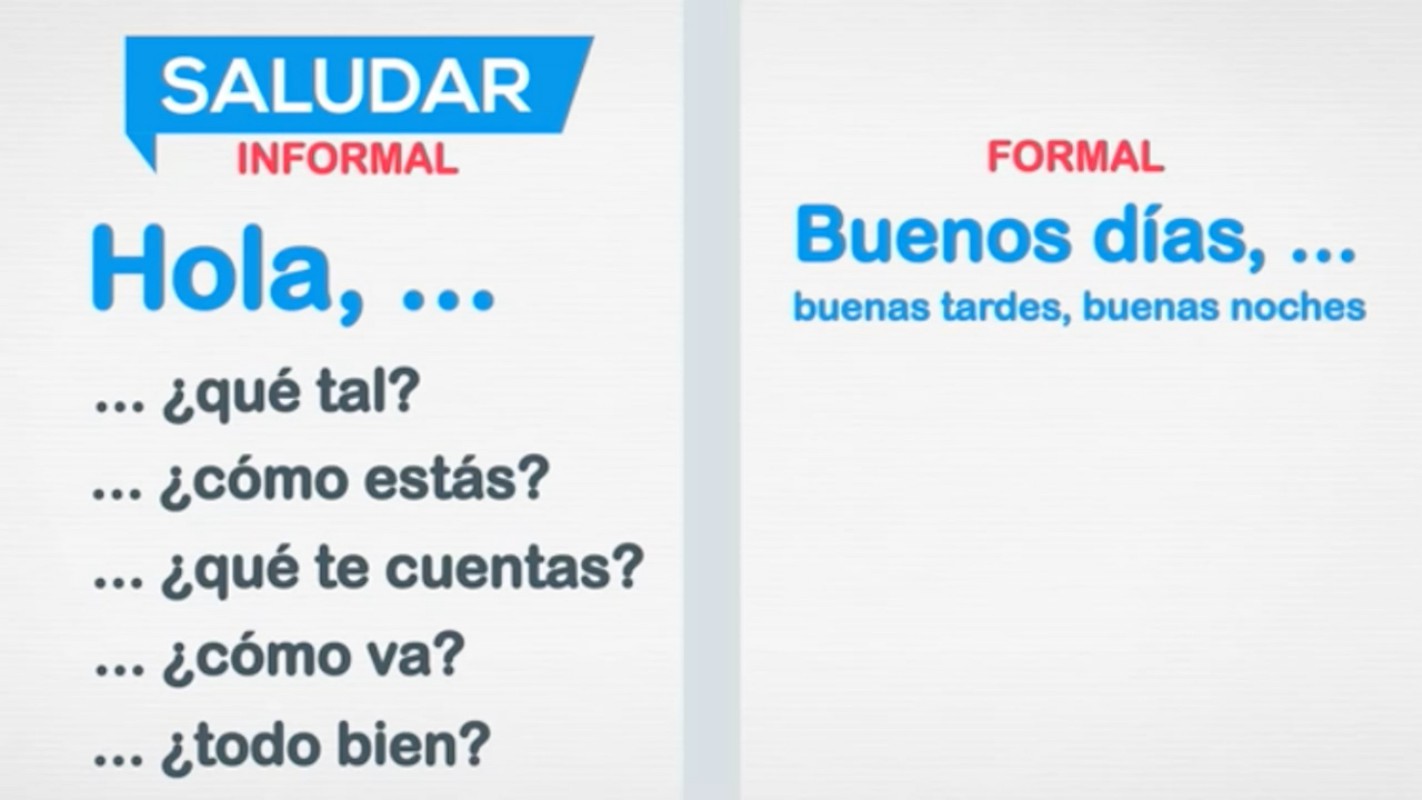
Core Vocabulary Categories
To make memorization more intuitive, we can divide the vocabulary into several categories:
- Daily communication
- Academic
- Business
- Cultural and tourism
By categorizing your study with [Spanish College Entrance Exam Vocabulary], you can effectively reduce confusion and increase the efficiency of your revision.
Examples of High-Frequency Vocabulary
| Spanish | Meaning in English |
|---|
| amistad | friendship |
| éxito | success |
| respeto | respect |
| oportunidad | opportunity |
| confianza | trust |
These words are not only common in exams but also frequently appear in real-life conversations. It is recommended to practice by making sentences with them and rehearsing speaking with friends.
Memorization and Application Methods
Apart from rote memorization, you can also use the scenario association method. For example, when learning “confianza,” you might recall a scene of making new friends in Spain, which deepens your impression. Set a fixed time daily for review; repetition is key to language retention.
Tip: Listening to Spanish news or podcasts often can help you understand vocabulary in various contexts.
Vocabulary Strategies in the Exam
In the Level 4 exam, the reading comprehension section has high vocabulary demands. If you encounter unfamiliar terms from [Spanish Professional Vocabulary], try to infer their meaning from the context or from resources like Spanish Grammar and Vocabulary PDF, rather than giving up immediately. This is an effective method many examinees use to boost scores.
Sharing and Discussion
Feel free to add your own tips and insights for studying Spanish Level 4 vocabulary in the replies. This not only benefits you but also helps others. Language learning is a long-term process—continuous communication is essential for ongoing progress.
