In families living in Spain, many parents hope their children will master Spanish early. This not only helps them communicate in school but is also an important step toward integrating into local culture. For children who are beginning to learn Spanish, incorporating language learning into daily play often works better than purely classroom-based education.
Language Development in Everyday Situations
Daily life is full of learning opportunities. For example, during breakfast, encourage kids to say the names of foods in Spanish: pan, leche, fruta. This method helps children connect vocabulary with real objects, making retention stronger. Parental involvement and patience are key.
Fun Games and Interactive Activities
Through games, children learn language in a relaxed atmosphere. For instance, using a “find the color” game, ask children to locate and name objects of different colors at home: rojo, azul, verde. This interaction not only trains vocabulary but also sharpens observation skills. Just a few minutes daily creates clear cumulative results.
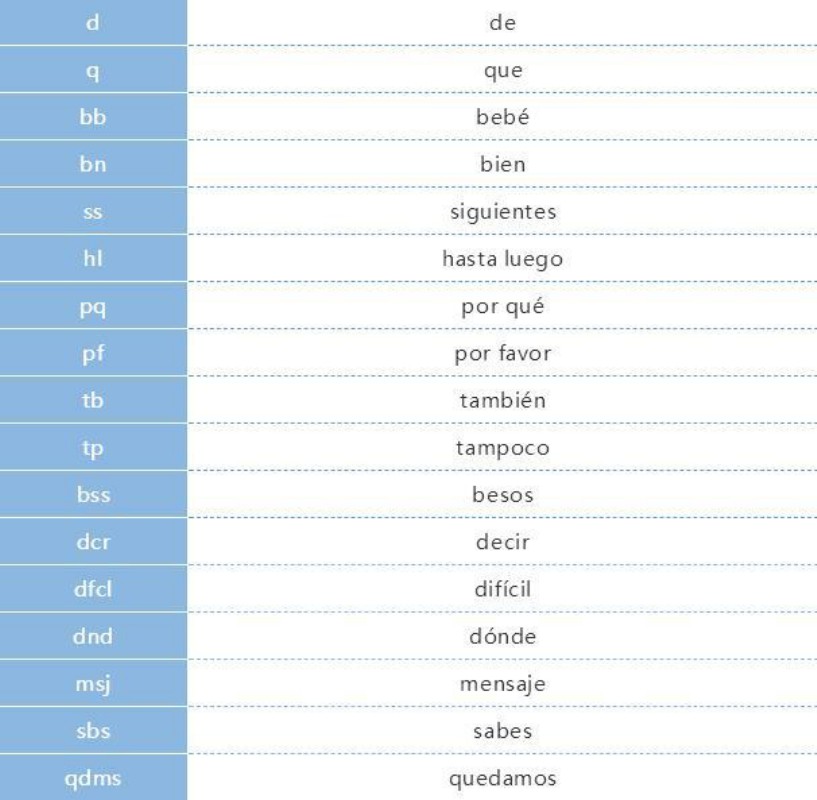
Basic Vocabulary List
Here are basic words suitable for beginner children to practice every day:
| Spanish | English |
|---|
| Hola | Hello |
| Gracias | Thank you |
| Adiós | Goodbye |
| Sí | Yes |
| No | No |
Once children have mastered these words, they can try using them in simple sentences, such as: Hola, me llamo Ana.
Using Songs and Stories
Spanish children’s songs and picture books are excellent supplementary materials. Simple melodies and repetitive lyrics help children naturally remember pronunciation and usage. For example, the song La vaca Lola lets children learn animal and action words while laughing. Don’t rush the process; through repeated listening and singing, a child’s language awareness will gradually improve.
The Importance of Social Environments
Encourage children to use Spanish with friends in places like parks or hobby classes; real-life conversations are more effective than any practice. When children realize they can be understood and can express themselves, their motivation to learn doubles. Parents can meet local families through Beginner Spanish to expand their child’s social circle. This not only increases language exposure but also enhances cultural adaptability.
