The Importance of Primary School Spanish Textbooks
In Spain, many regions introduce Spanish as the main teaching language in primary school through the New Edition Spanish Textbook. For children just starting school, selecting the right textbook is crucial. A good textbook not only helps children master everyday communication but also sparks their interest in the language. 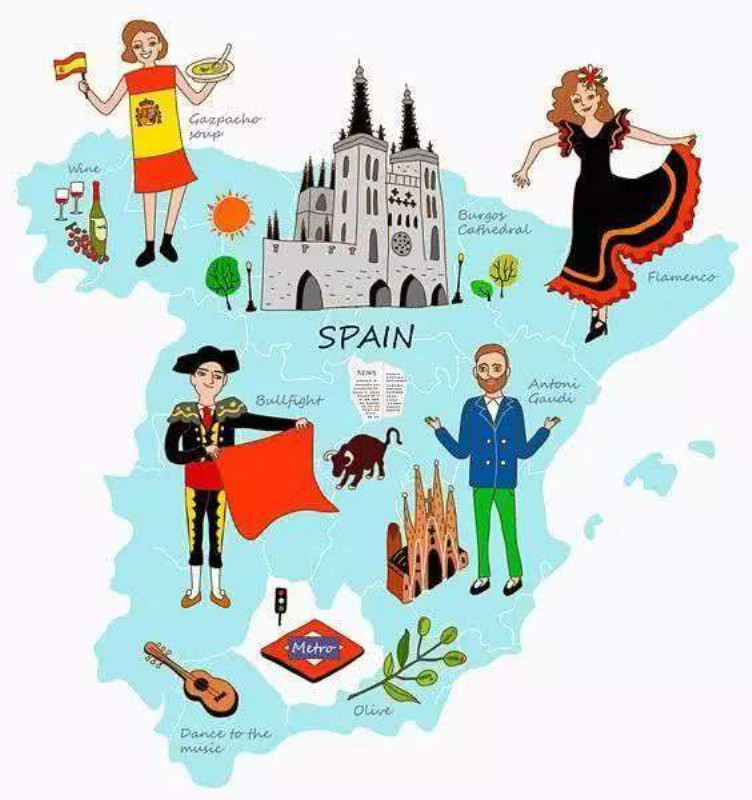
Common Types of Textbooks
Depending on the region and curriculum goals, primary school Spanish textbooks are mainly divided into three categories:
| Type | Suitable for |
|---|
| Basic | Beginners, non-native children |
| Advanced | Students with some language foundation |
| Comprehensive | Textbooks integrating reading, grammar, and writing |
Basic textbooks are often combined with numerous illustrations and games, making it easier for young children to learn in context.
How to Choose the Right Textbook
When selecting textbooks, parents can focus on the following aspects:
- Language Difficulty: Does it match the child’s current level?
- Interactivity: Does it include listening and speaking exercises?
- Cultural Content: Does it give children insights into Spanish culture and everyday life?
Remember, overly difficult textbooks can make children lose interest, while those that are too easy cannot support long-term progress.
Making Use of Supplementary Resources
Many high-quality textbooks come with audio, video, and workbooks as supplementary resources. Ignoring these resources can reduce learning effectiveness. Parents are encouraged to regularly use these materials with their children and explore online platforms for further learning, helping children master more vocabulary and sentence structures from resources such as the [Spanish College Entrance Exam Textbook].
Practicing with Real-Life Scenarios
In addition to the Spanish Textbook Purchase Guide and classroom activities, real life offers many opportunities to practice Spanish. For example, while shopping at the market, ask your child to express quantities and prices in Spanish; when ordering in a restaurant, encourage them to name their favorite foods. These real-world contexts can effectively strengthen their understanding and application of textbook materials.
By wisely choosing and using Spanish textbooks at the primary school stage, children not only build a strong language learning foundation but also integrate earlier into the local social and cultural environment, bringing long-term benefits to their future study and life.
