University Spanish Grammar Study Guide
When studying Spanish at the university level, grammar is often the part students both love and hate. Compared to everyday conversation, an academic environment requires us to master various tenses, voices, and sentence structures with greater precision, as seen in the Spanish University Rankings. Especially when writing essays or delivering oral presentations in Spanish Universities, grammatical accuracy directly affects the quality of expression.
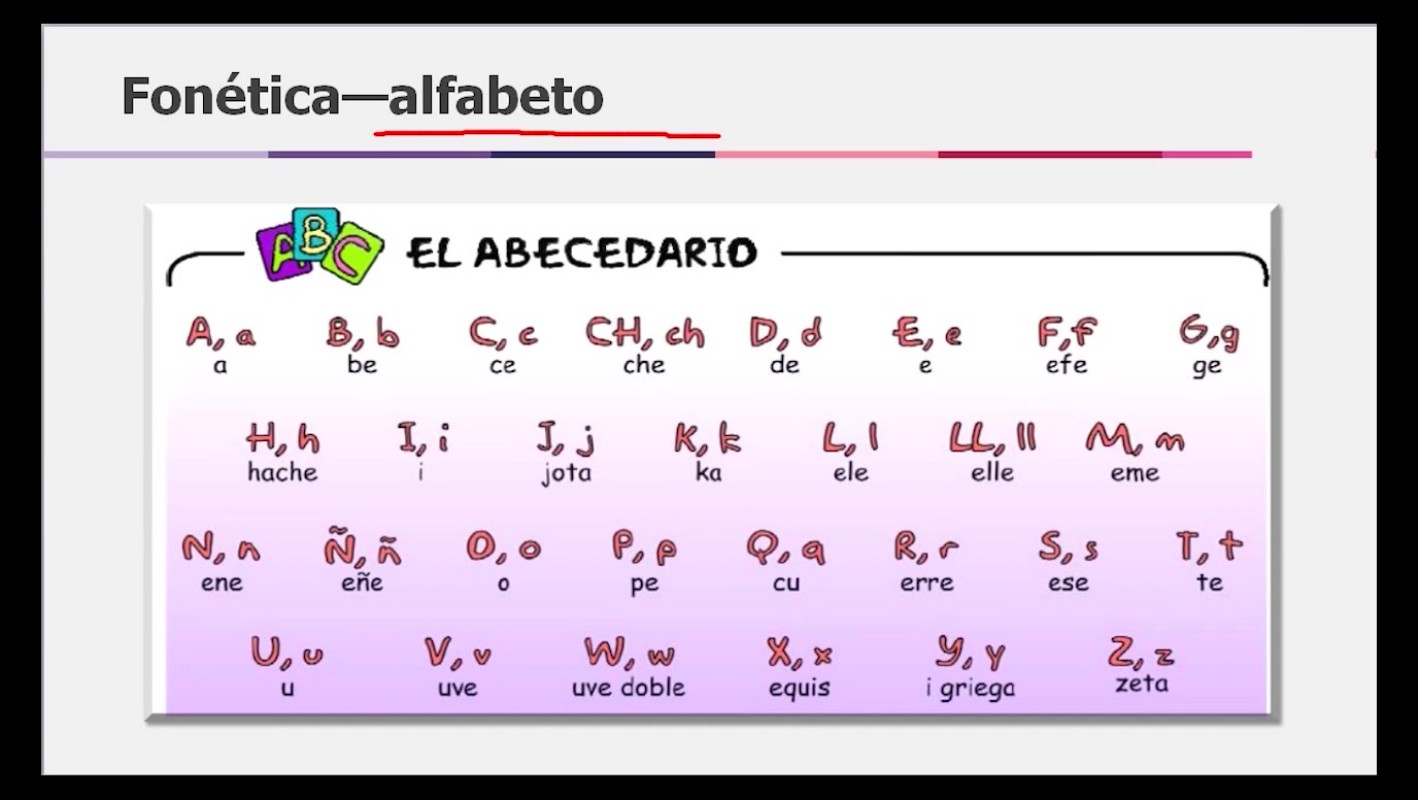
Basics of Verb Conjugation
Verbs are at the core of learning Spanish. Based on their endings, they can generally be classified into three groups: those ending in -ar, those ending in -er, and those ending in -ir. Each group has different conjugation rules depending on tense and person. Some verbs also have irregular conjugations, which require repeated practice and summarization.
| Infinitive Verb | Present Tense First Person Singular |
|---|
| hablar | hablo |
| comer | como |
| vivir | vivo |
Using the Subjunctive Mood
The subjunctive is a challenging topic in university courses, often used to express hypotheses, wishes, doubts, emotions, and other non-real situations. For example: Quiero que vengas mañana. The subjunctive’s tense variation is complex, so it is important to read many example sentences and pay close attention to the main clause verbs that trigger the subjunctive.
Connecting and Changing Tenses
In academic papers or formal speeches, tense consistency is extremely important. When narrating past events, we often use the simple past or the imperfect tense. When referring to past-related University Spanish Textbooks backgrounds or habits, the latter is preferred. Mastering time adverbs and their matching tenses will make your expression sound more natural.
Common Grammar Pitfalls
- Confusing ser and estar.
- Incorrect order of direct and indirect object pronouns.
- Randomly replacing the subjunctive with the indicative.
The best way to avoid these mistakes is to practice sentence creation frequently and ask classmates or native speakers to help correct them. Don’t be afraid to make mistakes; grammar becomes fluent through repeated use.
Study Recommendations
Combine textbooks with extracurricular resources such as Spanish news, podcasts, and movies to reinforce grammar in context. Set a fixed weekly time to review the previous week’s notes, and use tables to summarize common verb conjugations and phrases. Spanish grammar is extensive, but once you understand its rules and practice patiently, you can build a solid foundation during your university years.
