Chapter 1 Nouns and Gender
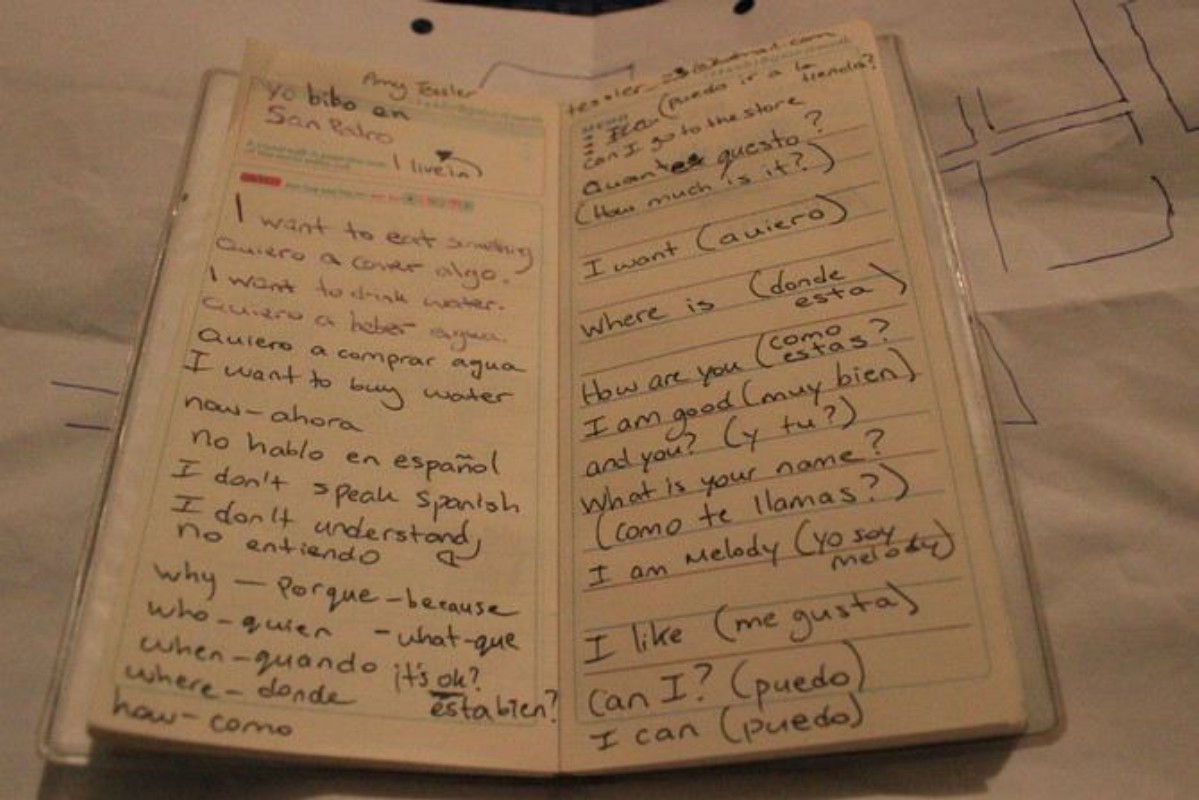
In Spanish, nouns have masculine and feminine forms. Typically, nouns ending with -o are masculine, while those ending with -a are feminine, though there are exceptions. For example: el libro, la casa. Mastering noun gender not only affects endings but also determines changes in articles and adjectives. When starting from scratch, it is helpful to record new nouns and their gender in a notebook.
Use of Articles
Articles are divided into definite and indefinite. The gender and number of the article must match the noun. For example, el perro and los perros require attention to number changes. Beginners often make mistakes with article gender; reading and listening more is an effective way to avoid errors.
| Spanish | Meaning in English |
|---|
| el libro | the book |
| la mesa | the table |
| los amigos | the friends |
| unas flores | some flowers |
Chapter 2 Basics of Verb Conjugation
Spanish verbs are classified into three groups based on their infinitive endings: -ar, -er, and -ir verbs. Each group has different conjugation rules. In the present tense, you must change the verb according to the subject pronoun, e.g., hablar becomes yo hablo, tú hablas, él habla. Study tip: First master common verbs and the first person singular, then gradually expand your knowledge.
Common Verb List
| Infinitive | Meaning |
|---|
| comer | to eat |
| vivir | to live |
| tener | to have |
Chapter 3 Position and Variation of Adjectives
Adjectives usually come after the noun, as in casa grande. However, some Spanish Grammar adjectives change meaning when placed before the noun, such as gran casa, which means “great house” rather than “big house.” Adjectives must agree with the noun in gender and number. During practice, try short sentences with various adjectives to build responsiveness.
Chapter 4 Sentence Structure
The basic Spanish word order is subject + verb + object. For example: Yo leo un libro. However, in daily conversation, word order changes with emphasis, such as placing the object first. Beginners can start with simple declarative sentences, then use Spanish Grammar Vocabulary to progress towards interrogatives and exclamations.
Chapter 5 Study Tips
Dedicate a fixed time every day to practicing listening and speaking, try making sentences with newly learned grammar, and communicate with friends or post on forums. Label everyday objects with their Spanish names and articles to create a natural learning environment. Do not be afraid of making mistakes; language improves through constant use. After a few weeks, with Spanish Grammar Books, you will find grammar becoming a tool for expressing yourself rather than an obstacle.
