Main Directions for the Spanish Postgraduate Entrance Exam
With the growing importance of Spanish in international communication, trade, tourism, and culture, more and more students are choosing Spanish-related majors at the postgraduate level. The directions for the Spanish postgraduate exam are not limited to language and literature, but also cover business, translation, education, and international relations.
Common Research Areas
| Direction | Main Content |
|---|
| Spanish Language and Literature | In-depth study of Spanish grammar, literature, and culture |
| Translation and Interpreting | Working in written translation, simultaneous interpreting, audiovisual translation |
| Cross-Cultural Communication | Related to international organizations, diplomacy, cultural dissemination |
| International Business Spanish | Serving multinational trade and market expansion |
Different universities offer different curricula, and understanding the training plan of your target institution for the Spanish postgraduate entrance exam in advance can help you prepare more precisely.
Preparation Advice
First, a solid language foundation remains the core assessment, including integrated skills in listening, speaking, reading, and writing. Regularly reading original Spanish books and listening to Spanish radio can boost vocabulary and linguistic intuition.
Second, professional courses should be studied alongside past exam papers to analyze the patterns of questions. For example, literature tracks often involve analysis of classics, while translation tracks place more emphasis on bilingual conversion accuracy and speed.
Third, do not neglect cultural background. Spanish exams often include questions on cultural knowledge, involving the history, social systems, and customs of Spain and Latin America.
Study tip: choose to engage more in interactive exchanges through Spanish postgraduate school rankings, for example by joining Spanish study groups or forums. In our lifestyle community, there are many Spanish majors sharing resources and insights.
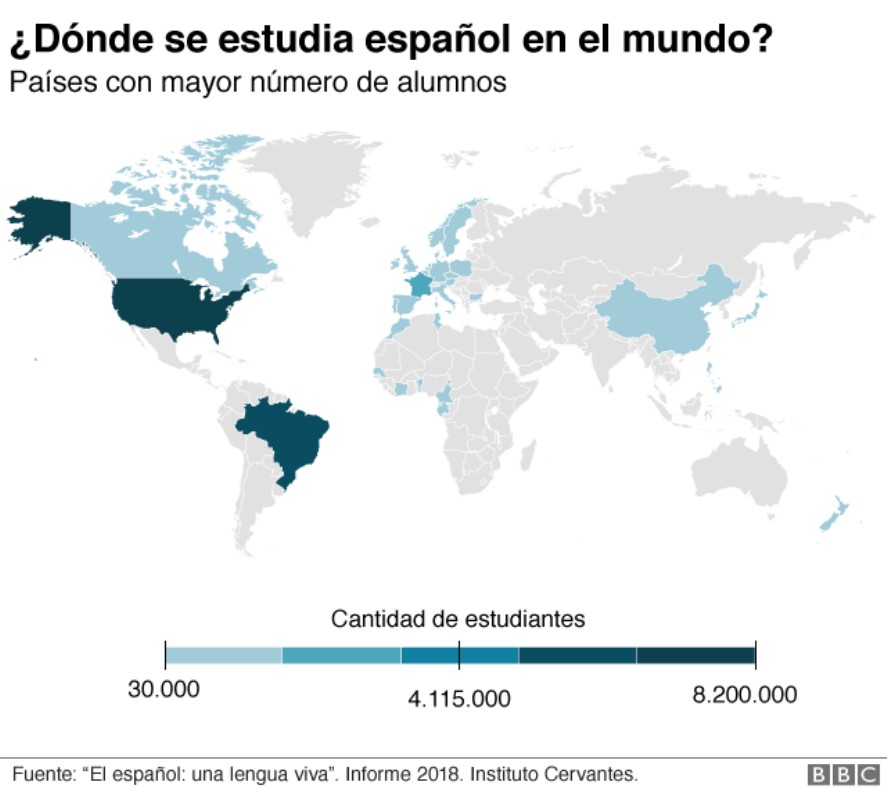
University and Program Selection Reference
Both domestically and abroad, many universities offer Spanish postgraduate programs. In Spain, institutions such as Complutense University of Madrid and University of Barcelona provide rich graduate courses for second foreign language Spanish postgraduate exams.
When choosing a university, consider the following:
- Whether it has exchange programs with Spanish-speaking countries
- The research areas and achievements of faculty members
- The academic recognition of the discipline at home and abroad
Conclusion
The Spanish postgraduate entrance exam is not only a continuation of language learning, but also an opportunity to enhance comprehensive capabilities. Whether you choose literature, translation, business, or international communication, setting clear goals, planning reasonably, and executing firmly will help you achieve ideal results. If you have experience or questions, feel free to reply in the forum to share, so that more fellow candidates can support each other and grow together.
