Introduction to Spanish Number Pronunciation
In daily life in Spain, knowing how to pronounce numbers is an unavoidable language skill. From buying groceries to telling the time or giving an address, mastering the correct way to say numbers helps conversations feel more natural. Especially in listening situations, numbers are often the key element in a dialogue.
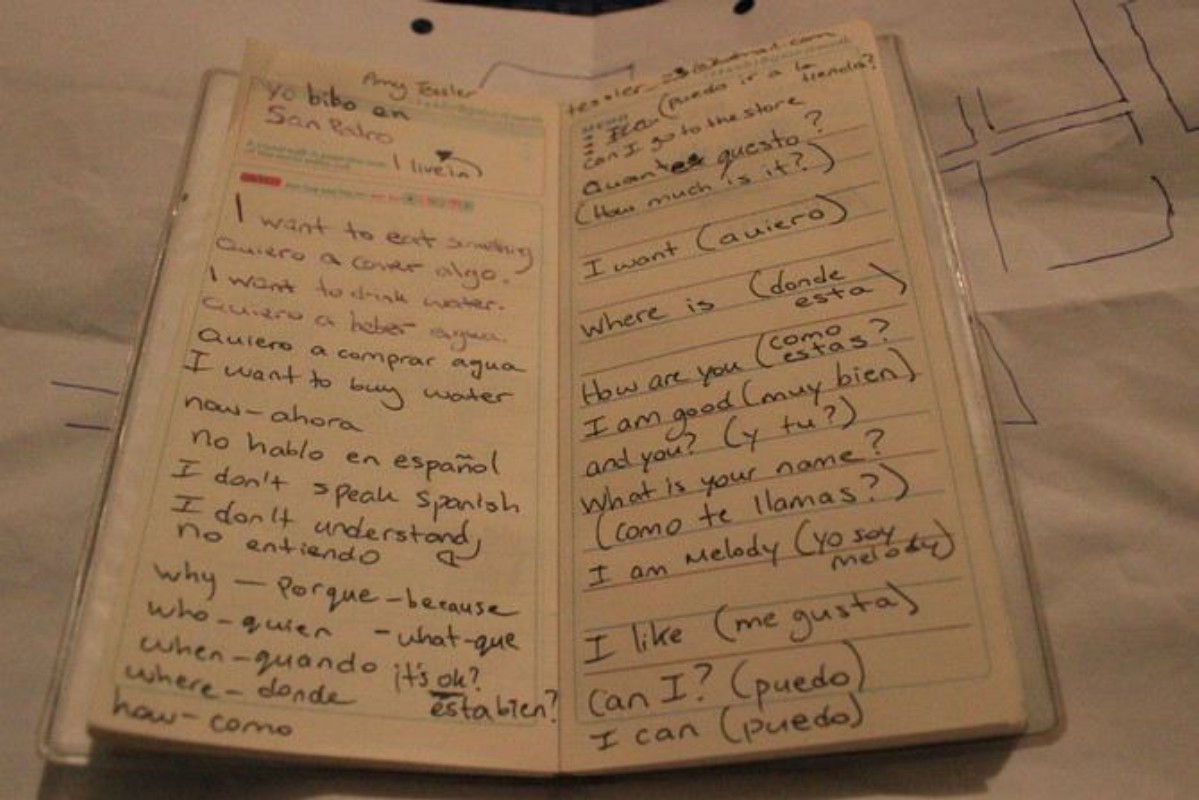
Basic Numbers 0-20
Numbers from 0 to 20 in Spanish have several special forms to remember, such as 0, 1, 2, 3. When “uno” appears before a noun, it often changes to “un” or “una,” depending on the gender of the noun it modifies.
| Number | Spanish |
|---|
| 4 | cuatro |
| 5 | cinco |
| 7 | siete |
| 10 | diez |
| 15 | quince |
Tip: Remember that after 15 quince comes 16 dieciséis, 17 diecisiete, continuing up to 19.
Tens and Hundreds Pronunciation
Starting with 20 veinte, 22 is pronounced “veintidós.” Tens from thirty follow the “thirty y number” pattern, such as 32 “treinta y dos.” Hundreds start with “ciento,” for example, “ciento uno.” Note that 100 alone is “cien.”
Some I also love you pronunciation people may overlook the difference between “cien” and “ciento”, but in formal situations this distinction is important for accuracy.
Thousands and Larger Numbers
The pronunciation for one thousand is “mil,” for example, 2000 “dos mil.” One million is “un millón,” ten million is “diez millones.” In Spanish, numbers above a million are similar to English in pronunciation, but be careful with the rhythm.
When used for prices, Spanish pronunciation such as €1,500 would be said “mil quinientos euros.”
Everyday Scenarios
In a market buying fruit, you might Spanish number pronunciation hear a vendor say: Son tres euros con cincuenta, meaning €3.50. When stating phone numbers, Spaniards usually read them in two-digit groups, for example, 91 23 45 67 would be “noventa y uno, veintitrés, cuarenta y cinco, sesenta y siete.”
By pronouncing numbers correctly, you can not only improve your everyday convenience in Spain but also avoid misunderstandings, especially regarding money or time.
Practice Suggestions
Try selecting random numbers each day and reading them aloud in Spanish, while making a conscious effort to listen to how others pronounce numbers in daily life. This will help you reinforce memory and improve your listening speed.
