What Is the Original Name and Pronunciation of Don Quijote
Many Spanish learners, upon first encountering “Don Quijote,” are curious about its pronunciation in the original language. The original name is Don Quijote, taken from the famous novel by Miguel de Cervantes. In Spanish, “Don” is similar to English, with stress on its only syllable; while “Quijote” has more distinctive features, notably the pronunciation of the letter “j.”
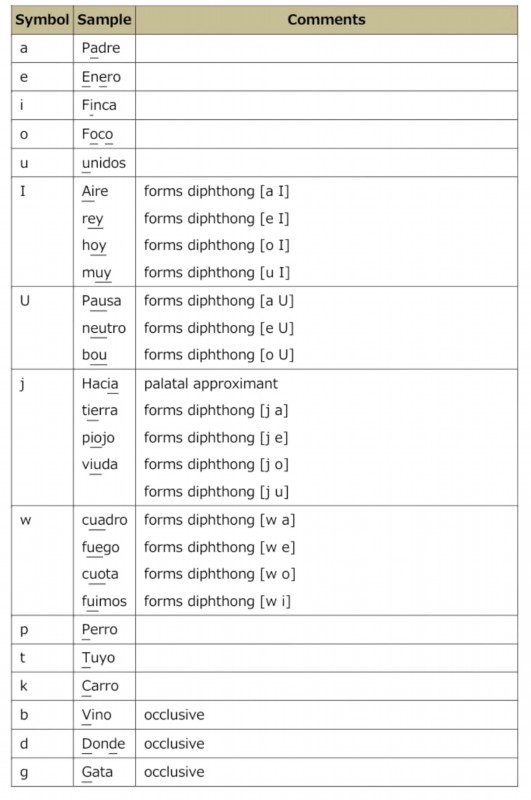
Pronunciation Rules in Spanish
In standard Spanish pronunciation, Quijote is pronounced [kiˈxote]. Here, in I Love You Pronunciation the initial consonant [x] is a typical fricative sound in Spanish, similar to the Mandarin “h” sound but more guttural. Reminder: do not pronounce the letter “j” as the English /dʒ/, as that will sound completely different.
| Spanish | IPA |
|---|
| Don | [don] |
| Quijote | [kiˈxote] |
Common Mispronunciations and Corrections
Many beginners pronounce “Quijote” as “kee-hot-eh,” sometimes even with syllable mistakes. To avoid this, practice the “j” consonant sound on its own first, and then combine it with the surrounding vowels. For example, “ji” should be pronounced as the Spanish “hee,” with the back of the tongue slightly raised, strong airflow, and a fricative quality.
Pronunciation and Regional Variations
In mainland Spain, especially in the central and northern regions, the fricative “j” sound is relatively strong; whereas in some Latin American regions, this sound, as explained in Spanish Numbers Pronunciation, may be softer and closer to a gentle “h.” This explains why, as noted in Spanish Pronunciation, Don Quijote may sound slightly different to various listeners. Understanding these differences will help you better recognize speech in different Spanish-speaking environments.
Practice Recommendations
- Start by pronouncing “Don” alone, keeping the stress steady.
- Break down “Quijote” into “Qui” + “jote” parts.
- Use a recording tool to compare your pronunciation with that of native speakers. Repetition in listening and imitation is key.
- Watch original animations or reading videos; once your ears are accustomed, speaking will come naturally.
Mastering these skills will not only make your pronunciation of Don Quijote in Spanish more accurate, but also bring a deeper cultural connection.
