The Charm and Learning Experience of Spanish Language and Literature
Spanish is not only a tool for communication but also a window into a rich world of culture and literature. Spanish language and literature encompasses numerous classic works from the Middle Ages to modern times, each carrying the intellectual and aesthetic values of different historical periods. Whether it is Cervantes’ Don Quixote or Gabriel García Márquez’s magical realism novels, they hold an important place in world literary history.
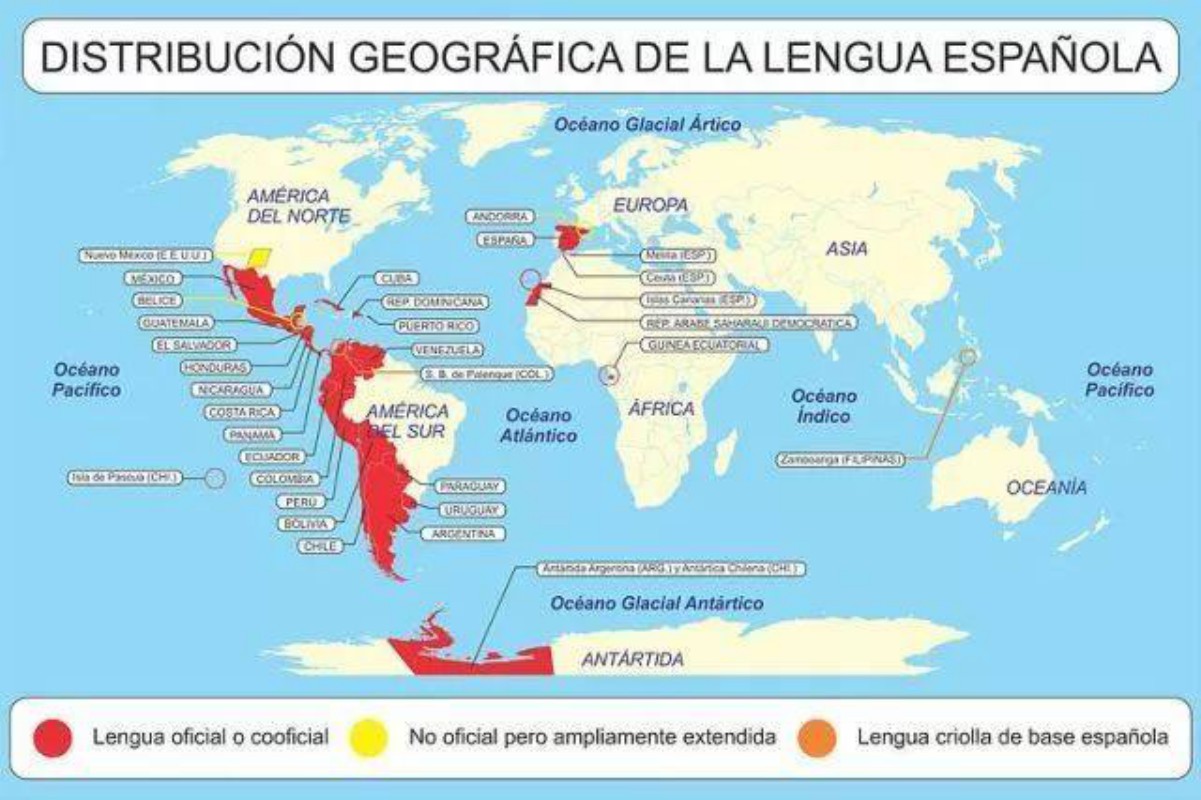
The Significance of Learning Spanish Language and Literature
Learning a language is not merely about mastering vocabulary and grammar; it is also a process of understanding culture. By reading original literary works, we can experience the rhythm of the language in different contexts and understand the author’s thoughts more authentically. When you read poetry and prose in their original form, you will notice subtle emotions and cultural contexts that are difficult to convey in translation.
Learning Methods and Tips
In the process of studying Spanish literature, you can combine various methods to improve efficiency:
| Method | Advantage |
|---|
| Original reading | Directly experience language and culture |
| Annotated books | Help in understanding complex structures |
| Listening to audiobooks | Improve listening skills and language sense |
| Translation exercises | Deepen vocabulary and syntax comprehension |
It is recommended to start with short stories and poetry, gradually moving on to novels and plays. Paired with grammar study, this approach allows quicker access to the core world of literature.
Diverse Literary Themes
Spanish literature covers a wide range of themes, including history, romance, politics, and social critique. Writers from different periods have distinct focuses and styles. For example, Golden Age literature emphasizes the beauty of language and the rigor of structure, while contemporary literature focuses more on depicting social realities and individual emotions.
Cultural Background Is Essential
When studying Spanish literature, understanding its cultural background is also indispensable. Spain and Latin American countries’ history, geography, religion, and customs profoundly shape literary creation. Learning about these contexts enables deeper analysis of works through resources such as Spanish language schools and insights into Spanish advantages, adding a three-dimensional quality to language learning.
Conclusion: The reason Spanish culture is so captivating within language and literature is not only due to the beauty of its words but also because it carries profound cultural and intellectual significance. The process of learning language and literature is a journey that crosses both linguistic and cultural boundaries.
