Why Learn Spanish Numbers
When living in Spain, whether shopping at the market or arranging a time to meet friends, numbers form the foundation of communication. Mastering Spanish numbers not only improves communication efficiency but also helps you integrate more quickly into the local culture. Especially in contexts such as shopping, transportation, and finance, accurate numerical expression is crucial.
Basic Pronunciation of Numbers
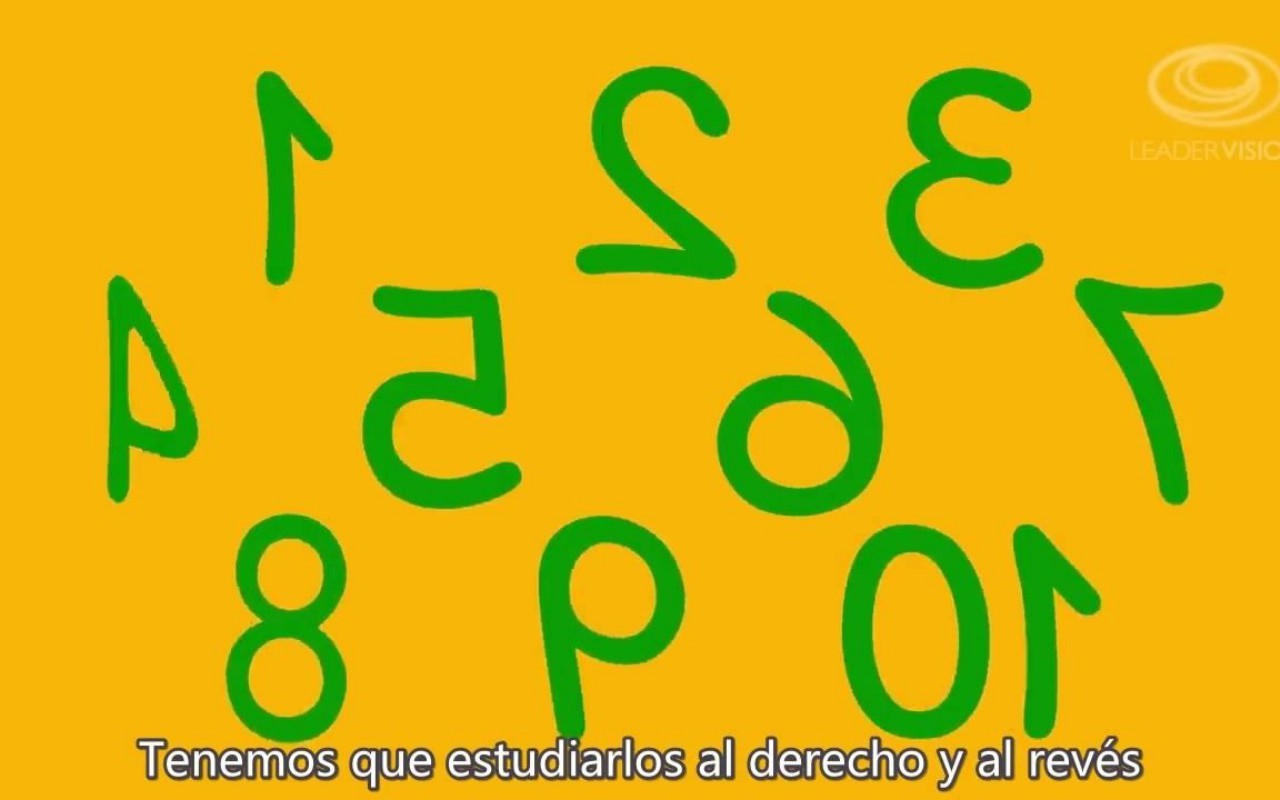
In Spanish, the readings for numbers 1 to 10 are: uno, dos, tres, cuatro, cinco, seis, siete, ocho, nueve, diez. Once you master these basics, you can use the Spanish number comma to combine them into larger numbers. For example, veintiuno means 21. It is recommended that beginners spend 10 minutes each day reviewing basic numbers and practice using them in daily conversations.
| Number | Spanish |
|---|
| 15 | quince |
| 30 | treinta |
| 50 | cincuenta |
| 100 | cien |
Using Numbers in Daily Life
While shopping at the market, bargaining with vendors often involves numbers. For example, “¿Cuánto cuesta?” will usually receive a numerical response. Understanding these numbers is important; for instance, “tres euros con cincuenta” means 3.50 euros. Do not overlook the pronunciation of zero, cero, which is very common in phone numbers and addresses.
Learning Tips and Resources
It is recommended to combine audio and video materials in your learning. Spotify has free Spanish learning podcasts, and YouTube offers short tutorials focused on numbers. You can set a daily theme, such as practicing date expressions today and price expressions tomorrow.
Interaction and Discussion
Share on forums the interesting number expressions you encounter in Spain or the challenges from daily life, such as bus stop numbers or supermarket promotion prices. Through Spanish number memory interaction, you will find that learning numbers becomes more enjoyable, and you can also make more Spanish number friends.
