Key Differences Between Portuguese and Spanish
When traveling or living on the Iberian Peninsula, many people notice that Portuguese and Spanish appear quite similar. However, in actual communication, there are quite a few differences between the two languages. As an ordinary person who has lived in this region for a long time, I often encounter small linguistic misunderstandings, so I have compiled some practical distinctions for your reference.
Pronunciation Differences
The phonetic system of Portuguese contains more nasal sounds, especially at the end of words where vowels often become nasalized. Spanish pronunciation is more direct, with virtually no nasal vowels. For example, in Portuguese the word “bom” has a nasal pronunciation, while in Spanish “bueno” does not undergo this change.
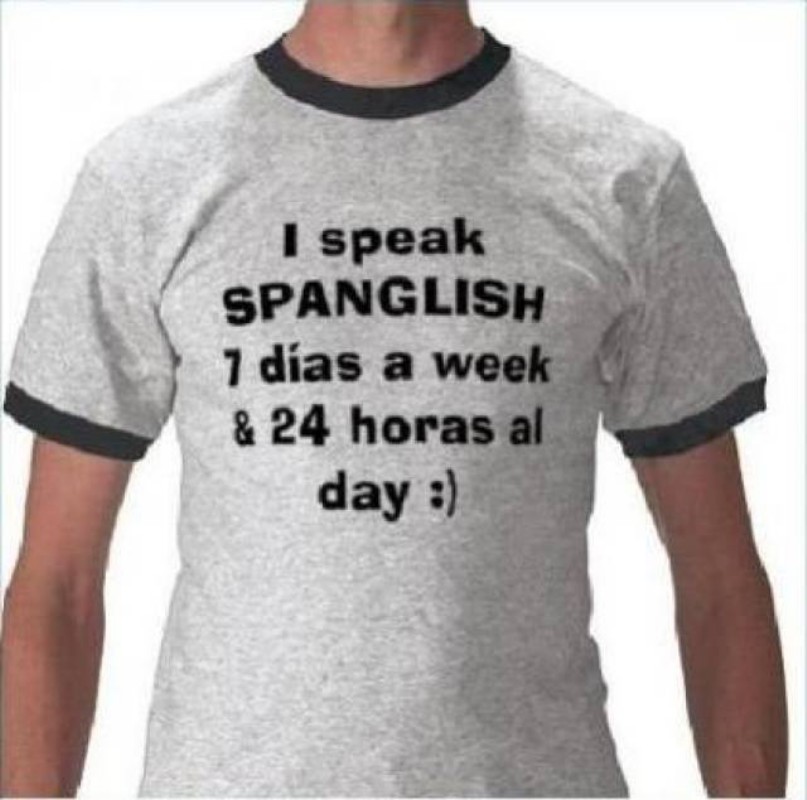
Vocabulary Confusion
Although the two languages share many similar spellings, their meanings can be completely different.
| Portuguese | Spanish |
|---|
| esperar | esperar |
| ropa | roupa |
| sala | sala |
Note that these are just some examples, and in real communication you should not assume identical spellings mean identical meanings.
Grammar Structure Differences
Portuguese verb conjugations are more complex than those in Spanish, especially in their historical use of the subjunctive mood. In Portuguese, the subjunctive tends to appear more frequently in everyday conversation, whereas in many regions of the Spanish-speaking world this frequency has diminished. For instance, Portuguese conditional clauses often prefer the past subjunctive, while Spanish more frequently uses simplified indicative forms.
Regional Cultural Influence
Language is not only a communication tool, it also reflects local culture. Portuguese has absorbed more vocabulary from Brazil and African regions, while Spanish varies across different Latin American countries. Even within Europe, the Andalusian dialect and Castilian dialect of Spain differ significantly in pronunciation and vocabulary.
Learning Suggestions
If you are living in both Portugal and Spain, as with the differences between Italian and Spanish, it is recommended to first master the vocabulary and expressions most common in daily life, and pay attention to their use in different contexts. Engage in frequent conversations with locals, and experience the differences in authentic settings; this is more effective than mechanically memorizing grammar rules.
I hope that this summary of differences helps you better understand and use these two languages, making life in Iberia smoother.
