Differences in Phonetic Systems
The Spanish pronunciation system is relatively simple, with five stable vowel phonemes, while Japanese also has five vowels but with notable differences in vowel length and stress placement between the two languages. In Spanish, stress placement is not fixed but is usually indicated with written accents; Japanese distinguishes meaning through syllable length, which poses new challenges for beginners during listening practice. Although the vowel sounds are similar in both languages, the sense of rhythm is markedly different.
Completely Different Writing Systems
Spanish uses the Latin alphabet with relatively consistent spelling rules, while Japanese combines three writing systems: Hiragana, Katakana, and Kanji. For beginners, learning Japanese scripts often requires a phased approach, whereas literacy in Spanish is much more straightforward. 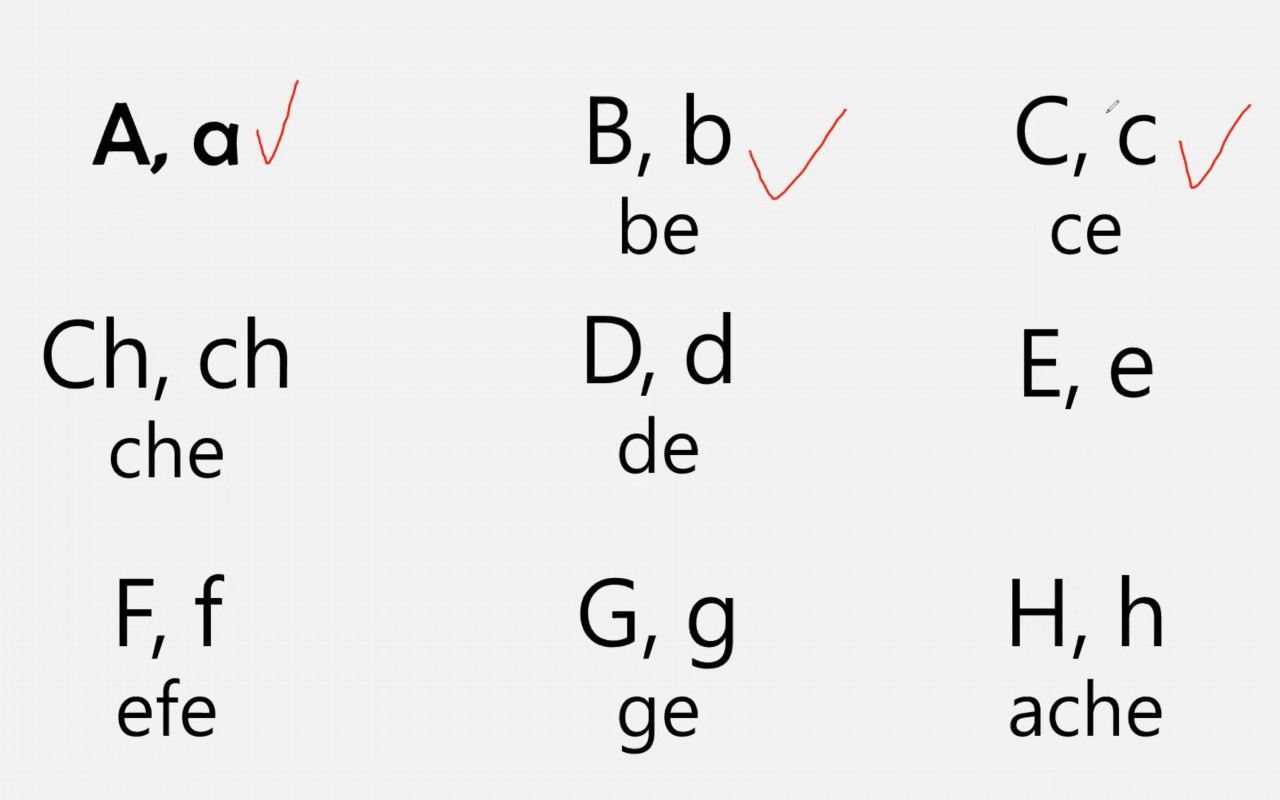
| Language | Writing Type |
|---|
| Spanish | Latin alphabet |
| Japanese | Hiragana / Katakana / Kanji |
Differences in Grammatical Structure
Spanish belongs to the Romance language family and tends toward SVO word order; verbs have complex tense and person conjugations. Japanese typically follows an SOV order, using multilingual learning particles to indicate grammatical relationships. Japanese verbs change in more limited ways but have an extensive honorific system. Mastering differing word orders is a key factor in cross-language communication.
Subtle Differences in Cultural Expression
In Spanish communication, directly expressing feelings and opinions is very common and considered a sign of honesty; in Japanese communication, indirectness and politeness are fundamental, sometimes requiring hints to convey true intentions. This difference influences not only vocabulary choice but also the overall communication strategy.
Learning Tips and Interaction
For those self-learning Japanese as Spanish speakers and studying both languages at once, it is advisable to start with phonetics and basic vocabulary to build listening and speaking confidence, then progress to grammar and cultural aspects through language learning exchanges. Sharing study notes and recorded pronunciation exercises in forums can help you receive valuable feedback. Do not underestimate the difficulty of cross-cultural communication; perseverance and interaction are key.
