Spanish Personal Name Homophones
While living in Spain, we often hear a variety of interesting names. These names, through Spanish spoken homophone techniques, not only make remembering easier but also add a touch of humor to conversations. Especially at friends’ gatherings or in the classroom, skillfully using these homophones can quickly bridge the gap between people.
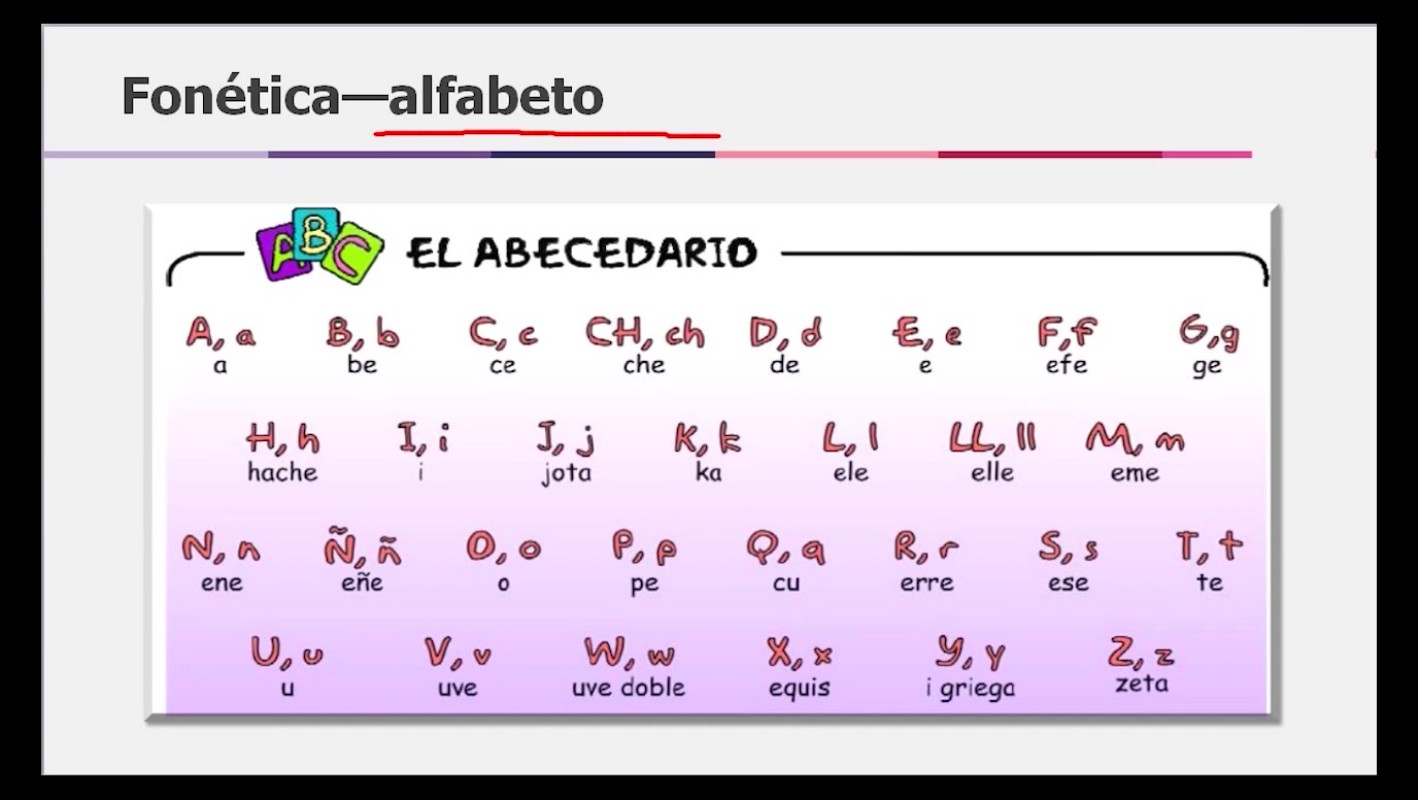
Why Homophones Are Useful in Everyday Communication
Many Spanish words or names have a certain similarity or amusing connection to sounds in other languages, such as Mandarin. For example, “Pablo” sounds like “帕布乐” in Chinese, which is easier to remember and conveys a cheerful vibe. This homophone memory method is very popular among beginners learning Spanish or those who have just settled in Spain.
Common Personal Name Homophone Table
| Spanish Name | Chinese Homophone |
|---|
| María | 玛丽娅 |
| Juan | 胡安 |
| Carmen | 卡门 |
| José | 何塞 |
| Pablo | 帕布乐 |
Using this Spanish happy birthday homophone table not only lets you quickly find the corresponding sounds, but also helps you confidently address someone in social or work situations.
Applications in Social Settings
Once you remember these homophones, you can repeat someone’s name upon first meeting, smiling as you say the equivalent sound in Chinese. This shows effort and can make the other person feel welcomed. For example, at a café meeting a waiter named “José” and saying “何塞, thank you” can make communication feel more natural.
Fun Extensions of Homophones
Some names can even be extended into playful nicknames. For example, “Carmen” could humorously become “卡门大人,” preserving the original sound while adding a funny twist. At social gatherings, such creative touches leave a lasting impression and enhance the atmosphere.
Remember, homophones are not meant to replace the original name, but to make memory and communication easier. If Spanish I like you you truly want to integrate into Spanish society, you should still get accustomed to their usual pronunciation, though occasional homophone fun can make your language life more vivid.
