Comprehensive Guide to Spanish Name Pronunciations and Fun Interpretations [Spanish Colloquial Pronunciations]
When living in Spain or interacting with friends from the Spanish-speaking world, many people face the question: how should Spanish names be pronounced and remembered? In fact, quite a few Spanish names have pronunciations that can be amusingly similar to certain Chinese sounds, which not only helps with memory but also adds a touch of fun to conversations.
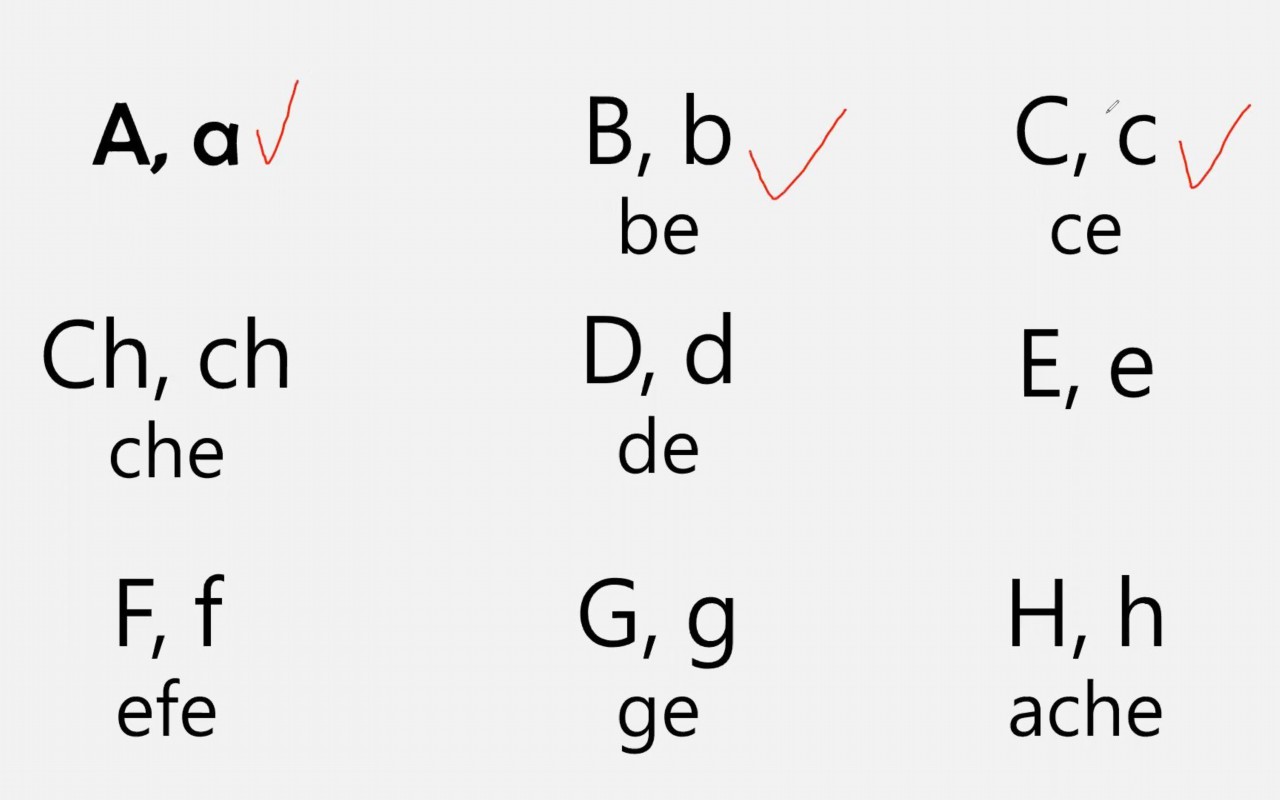
Common Male and Female Name Pronunciation Examples
| Spanish Name | Chinese Sound-Alike |
|---|
| José | He Sai |
| María | Ma Li Ya |
| Carlos | Ka Luo Si |
| Ana | An Na |
| Miguel | Mi Ge Er |
These names are commonly heard throughout Spain—whether on a customer list at a corner café or as the lead character in a news story. Mastering these pronunciations will help you quickly integrate into local conversations.
Regional Differences and Pronunciation Variations
Some names may experience subtle sound changes in different regions, as noted in Spanish Happy Birthday Pronunciations. For example, “José” tends to have a crisper pronunciation in central Spain, while in Latin America it is often softer. These regional differences mean that the same name can have slightly different sound-alikes across countries, so it’s best to learn them within a specific context.
Fun Memory Techniques
If you find certain names hard to remember, create a small story around them. For instance, “Carlos” could be linked to the idea of a “blocked street.” Once this association becomes familiar, it’s less likely to be forgotten. Additionally, using visual tags like color or size—for example, a red “María”—can make the memory more vivid.
Cross-Cultural Communication Tips
When chatting with Spanish friends, you can first use the Chinese sound-alike to remember their name and then gradually transition to the correct Spanish pronunciation. This approach allows you to maintain a sense of familiarity while still respecting cultural norms.
Summary and Sharing
Pronunciations are merely an entry-level tool; truly integrating into the Spanish-speaking world requires plenty of conversation practice. Participants can [share more Spanish I Like You Pronunciations] on the forum, complementing and correcting each other. This not only boosts language skills but also keeps the community atmosphere lively.
