Daily Experiences with Italian, Spanish, and German
While living in Spain, you often meet friends from different countries such as Italy and Germany, making conversations in Italian, Spanish, and German both interesting and challenging. These three languages share some connections—Italian and Spanish belong to the Latin language family—but they differ in pronunciation and vocabulary, while German is part of the Germanic family with relatively complex grammar. If [German and Spanish learning comparison] you are living in Spain and want to expand your multilingual skills, mastering the switch between languages in different situations will make both socializing and working smoother.
The Friendly Feel of Italian
Italian is not uncommon on the streets of Spain; many staff members in Italian restaurants will greet you in Italian. Beginners will notice similarities to Spanish, such as the word “casa” meaning “house” in both languages, though pronounced slightly differently. By listening to music or watching films, you can use your ear to sense the rhythm of Italian, making it easier to remember words and expressions.
The Central Role of Spanish
In Spain, Spanish is naturally the most important communication tool. Whether at the supermarket, the bank, or chatting with your neighbors, Spanish is the basis for daily interaction. When studying, it helps to focus on everyday phrases and social etiquette, such as greetings like “Buenos días” and “¿Qué tal?”. In a multilingual environment, improving your Spanish will also help you quickly grasp certain Italian expressions.
The Logic and Challenge of German
German use is less common in Spain, but there are still many opportunities in tourism and multinational companies. German grammar can be challenging for beginners, especially the changes in cases. However, its precise vocabulary structure makes it enjoyable for those who appreciate Spanish and German comparison and for languages rich in logic.
| Language | Language Family |
|---|
| Italian | Latin |
| Spanish | Latin |
| German | Germanic |
Everyday Strategies for Multilingual Learning
While living in Spain and learning all three languages, you can improve efficiency by setting different study time slots using [German, French, and Spanish]. For instance, spend 15 minutes each morning reading Italian news, chat with friends in Spanish at lunchtime, and listen to German podcasts in the evening. This routine not only maintains memory in each language but also helps you find enjoyment in diverse cultural contexts.
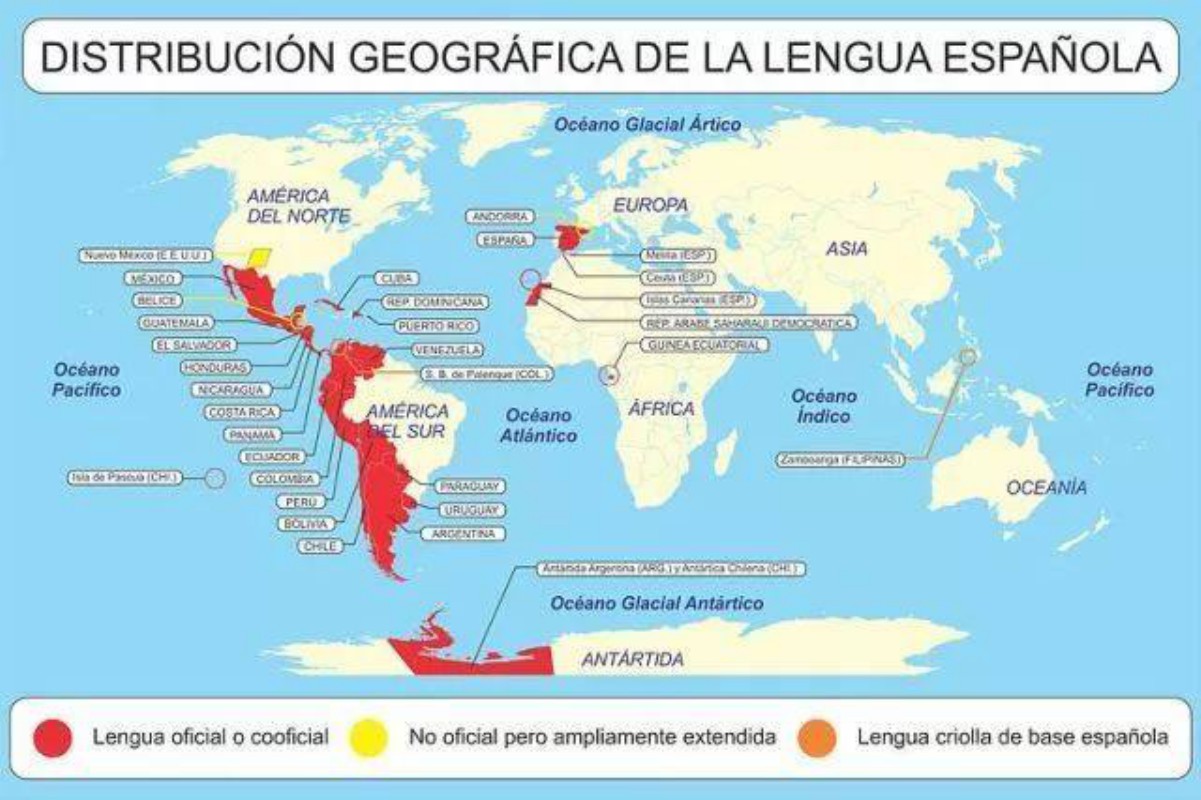
Benefits of Cultural Exchange
Mastering Italian, Spanish, and German is not only about enhancing language skills—it is also a gateway to understanding multiple cultures. Whether discussing food, travel, or work projects, multilingual ability will broaden your social circle. Spain’s diverse lifestyle offers endless opportunities for such learning, and if you are willing to immerse yourself, you will surely appreciate the charm of multilingual communication.
