Understanding the “Hello Spanish” Textbook
If you are new to Spain and want to quickly integrate into daily life, the Hello Spanish pronunciation guide and the Hello Spanish textbook are great choices. Starting from zero, it covers common conversations, cultural background, and practical situations, making it suitable for immediate use in everyday life. In my first year in Madrid, this textbook helped me master essential communication for buying groceries, asking for directions, and handling residency procedures.
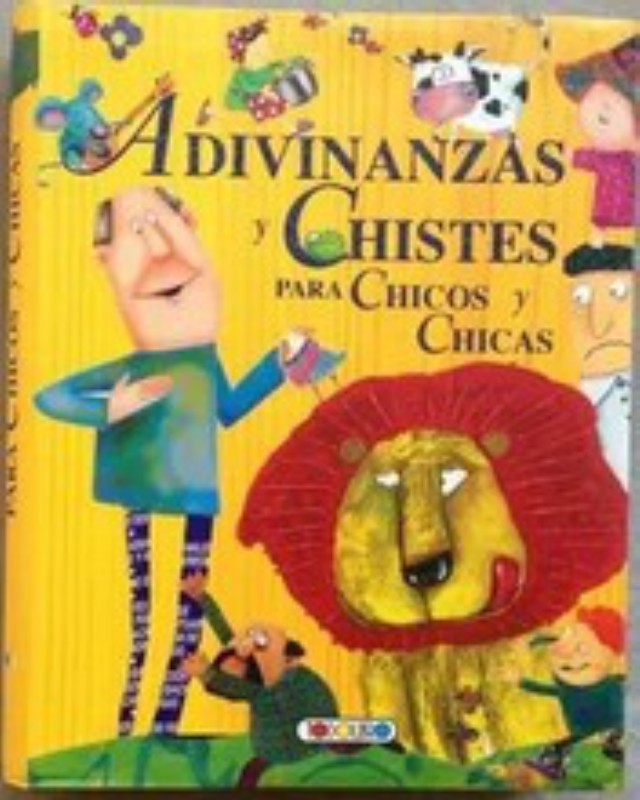
Textbook Structure and Features
The textbook is divided into units, each containing vocabulary lists, sentence pattern exercises, and cultural tips. Particularly in the cultural section, it explains local habits such as greetings and meal times, which are very helpful for Spanish daily life phrasesadapting to life. Many example sentences are also in slow Spanish, making it perfect for beginners to listen and imitate.
| Unit | Content Summary |
|---|
| 1 | Basic greetings and self-introduction |
| 2 | Shopping and dining expressions |
| 3 | City transport and asking for directions |
| 4 | Socializing and daily habits |
Sharing Study Methods
I recommend spending at least 30 minutes daily following along with the textbook’s audio files, combined with writing exercises. This dual approach strengthens memory. For example, listening to dialogues repeatedly with headphones while on the bus or in a queue helps connect different scenarios, so when entering a supermarket or café you can naturally use the sentences you’ve learned.
The textbook’s “role play” scenarios can be practiced with friends. My roommate and I often simulated buying tickets or ordering food at home; although we sometimes ended up laughing, this interaction quickly corrected pronunciation and word choice.
Applying Textbook Knowledge in Life
In Spain, language is not only a communication tool but also a key to social circles. Vocabulary from the textbook should be applied immediately in daily life, such as asking prices at the market in Spanish: ¿Cuánto cuesta esto?, or ordering in a café with Un café solo, por favor. This approach ensures more accurate service and sometimes brings smiles and friendly conversation.
Students’ Exchanges and Suggestions
Some friends facing Spanish learning challenges feel that the textbook progresses too slowly; it might help to supplement lessons with Spanish podcasts or local news, improving listening skills while understanding current events. Mobile apps can also be added for word searches or reading aloud. From my experience, using the textbook as the main thread and adding real-life practice is the only way to truly make the language part of everyday life. What effective learning methods have you found while using this textbook? Feel free to share experiences in the forum.
