Why Choosing the Right Beginner Spanish Book Matters
When learning Spanish, especially at the zero-beginner stage, selecting a suitable textbook can save you from many detours. Some books use simple example sentences and everyday scenarios, allowing you to naturally grasp vocabulary and grammar as you read. Compared to dull grammar encyclopedias, lively and easy-to-understand beginner books make it easier to maintain motivation. A book that suits you can often accompany you through the crucial entry stage.
Common Types of Beginner Spanish Books
If you are in the process of selecting your first book, the Spanish Books App can be a useful reference. Consider the following categories:
| Type | Suitable for |
|---|
| Illustrated beginner books | Readers who prefer relaxed, visual learning |
| Grammar quick-reference handbook | Learners who aim to systematically master sentence structures |
| Scenario-based dialogue collections | Users focused on speaking and everyday communication |
These types of books can be used together to build a solid foundation while quickly applying knowledge to real-life situations. Flexible combination is key.
Recommended Books and Highlights
For example, Concise Spanish Conversations focuses on everyday scenarios, with short lessons and translations, making it perfect for beginners. Another type such as Basic Spanish Grammar offers a clear structure, with each grammar point accompanied by exercises to reinforce memory. When choosing a book, test-read a chapter to feel the rhythm of the language and the arrangement of exercises to ensure it matches your learning habits.
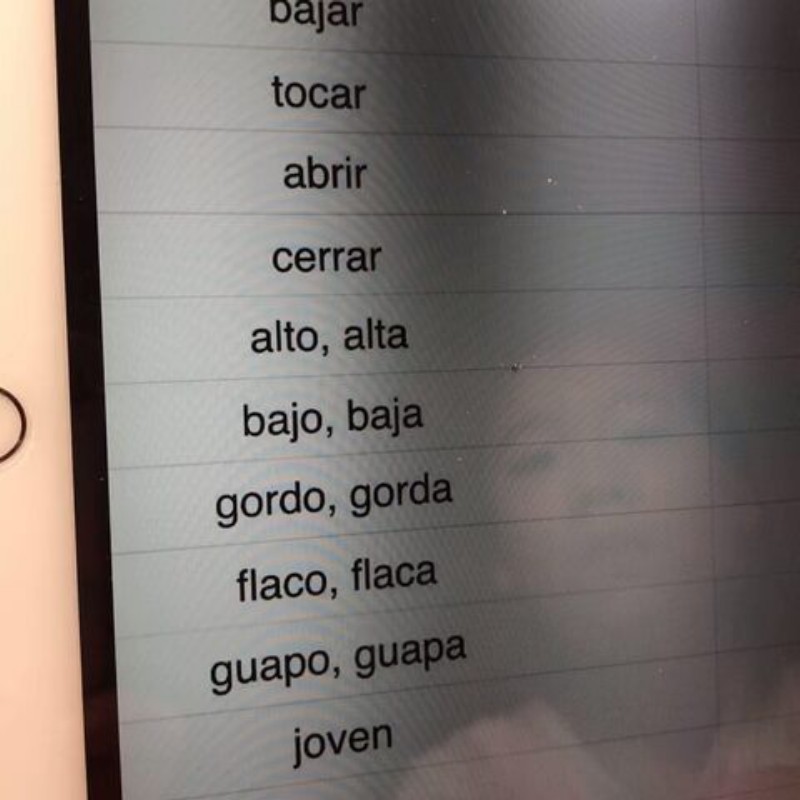
How to Use Books to Create a Study Plan
It is advisable to dedicate a fixed time each day—for example, 30 minutes in the morning to review vocabulary and evenings to read a lesson and complete exercises. You can also practice pronunciation using sentences from the book, combined with listening materials to improve comprehension. For difficult vocabulary such as those found in Spanish Niche Poetry Books, write them on flashcards to carry with you and memorize during spare moments. Avoid rote memorization—learn to apply words in real contexts.
Combining Books with Other Resources
In addition to physical books and the Spanish Books Website, online dictionaries, audio courses, and YouTube tutorials can be great supplements. Many beginners share book reviews and learning tips on forums, helping you discover more quality books and effective methods. With online interaction, you will better understand which books work best in real-life situations and avoid buying unsuitable materials blindly.
Finding a beginner Spanish book that matches your own pace, combined with persistent study and active communication, will let the language truly become part of your everyday life.
