How to Say “I Love You” in Spanish
Many beginners learning Spanish are often curious: how exactly do you say and pronounce “I love you”? In Spain and I love you in Spanish Latin America, this most direct expression of affection is typically said as Te quiero or Te amo. Both phrases convey deep feelings, but there are subtle differences in their usage.
Te quiero
Te quiero literally means “I like you,” but in casual speech it often expresses intimate affection, especially among lovers, family members, and friends. This expression carries a warm, everyday feel, making it suitable for informal emotional exchanges.
| Expression | Usage Scenario |
|---|
| Te quiero | Everyday with a partner, greetings among family, between friends |
| Te amo | Deep confession, weddings, poetry |
Te amo
Te amo is used more often in Spain for very formal or profoundly deep declarations of love, such as wedding vows or in poetry. In many Latin American countries, it is one of the most common ways for lovers to express themselves.
How to Pronounce Correctly
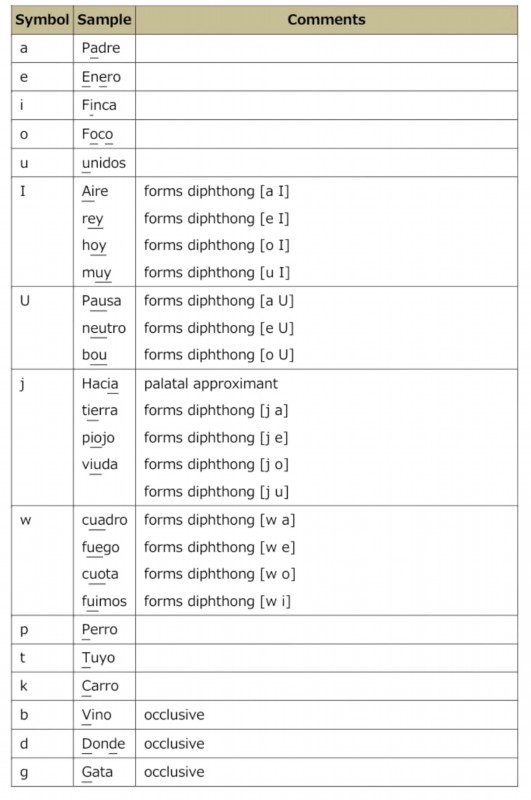
When pronouncing, pay attention to the Spanish r consonant; in “quiero” it is a light alveolar tap, quick and without exaggeration, where the tongue briefly touches the roof of the mouth.
Spanish e and o are pure vowels with full tone, without the unstable glides you might have in other languages.
Cultural Background and Usage Tips
In Spain, people often say Te quiero more casually to family or friends, and even to their pets. In contrast, Latin American speakers may prefer to use Te amo more directly in romantic relationships. If I love you in Spanish you are unsure which one to choose, going with the more relaxed Te quiero will usually be safe.
In summary, I love you in Spanish is primarily expressed as Te quiero or Te amo. Becoming familiar with their pronunciation and contexts of use will not only make your language sound more natural but will also help you convey the right emotions in communication.
