The Charm of Yijianmei in Spanish
Originally a widely acclaimed Song Dynasty poem, “Yijianmei” became even more popular worldwide after being set to music. In recent years, certain versions have gained massive attention in Latin America and Spanish-speaking regions due to social media. In this context, Messi National Spanish, a work with a distinctly Chinese classical flavor, showcases how Spanish can convey the original poetic imagery—there are many subtle points worth discussing.
From Poetry to Lyrics
Translating “Yijianmei” into Spanish requires more than just converting language; it demands capturing the emotion and visual imagery of the original text. For example, the line “Snowflakes drifting, northern wind whistling” is often rendered in Spanish as “Nieve que vuela, viento del norte sopla con melancolía,” using adjectives and verbs to restore that sense of solitude and chill. This translation method emphasizes emotional transfer rather than word-for-word equivalence.
Common Translation Comparison Table
| Original Chinese Line | Spanish Translation |
|---|
| Snowflakes drifting | Nieve que vuela |
| Northern wind whistling | Viento del norte sopla |
| Heaven and earth in vast desolation | El cielo y la tierra en vasta desolación |
Such tables are not only useful for learning but also help music enthusiasts sing in closer alignment with the original meaning. Especially the adjustment of tones greatly affects the performance.
Interesting Cultural Blending Phenomenon
The popularity of “Yijianmei” in the Spanish-speaking world is inseparable from the push of online culture. Many Spanish-speaking listeners are unfamiliar with Chinese classical poetry, but through the Messi and Spanish song, they are willing to learn about lyric forms, imagery, and even historical context. This kind of cross-cultural communication is like an echo carried by the wind, connecting people from different contexts. Sometimes, translations can be even more moving than the original song.
Learning Suggestions
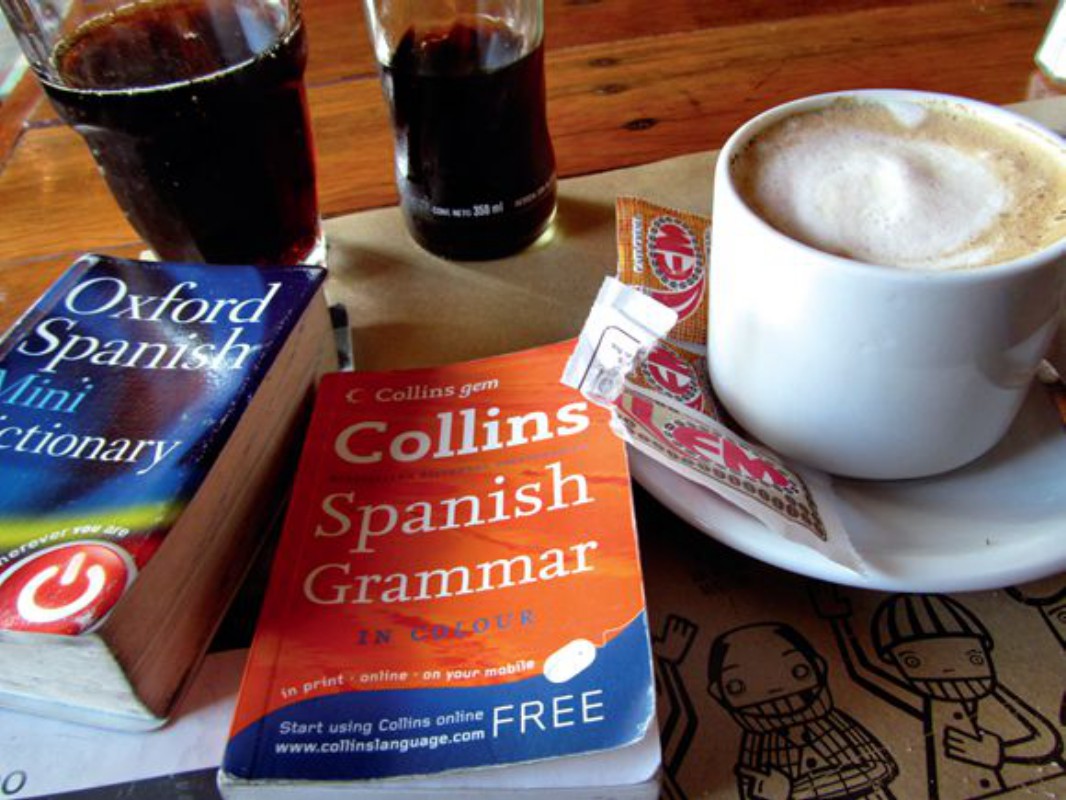
For those involved in Messi Spanish communication and currently learning Spanish, trying to translate familiar Chinese lyrics into Spanish is a great practice method. It is recommended to first understand the lyrical imagery and then find suitable expressions to avoid stiff, literal translations. You can use the above comparison table as a reference, gradually expanding your vocabulary and expression techniques.
Conclusion
Whether you fell in love with “Yijianmei” because of its melody or you want to use it to improve your Spanish, this song serves as an excellent bridge. It proves that the power of music and language to transcend geography and culture is real. Perhaps next time, while walking down a street in Spain, you may hear someone singing it in Spanish and feel a resonance that crosses time and space.
