Understanding the Basic Structure of Spanish
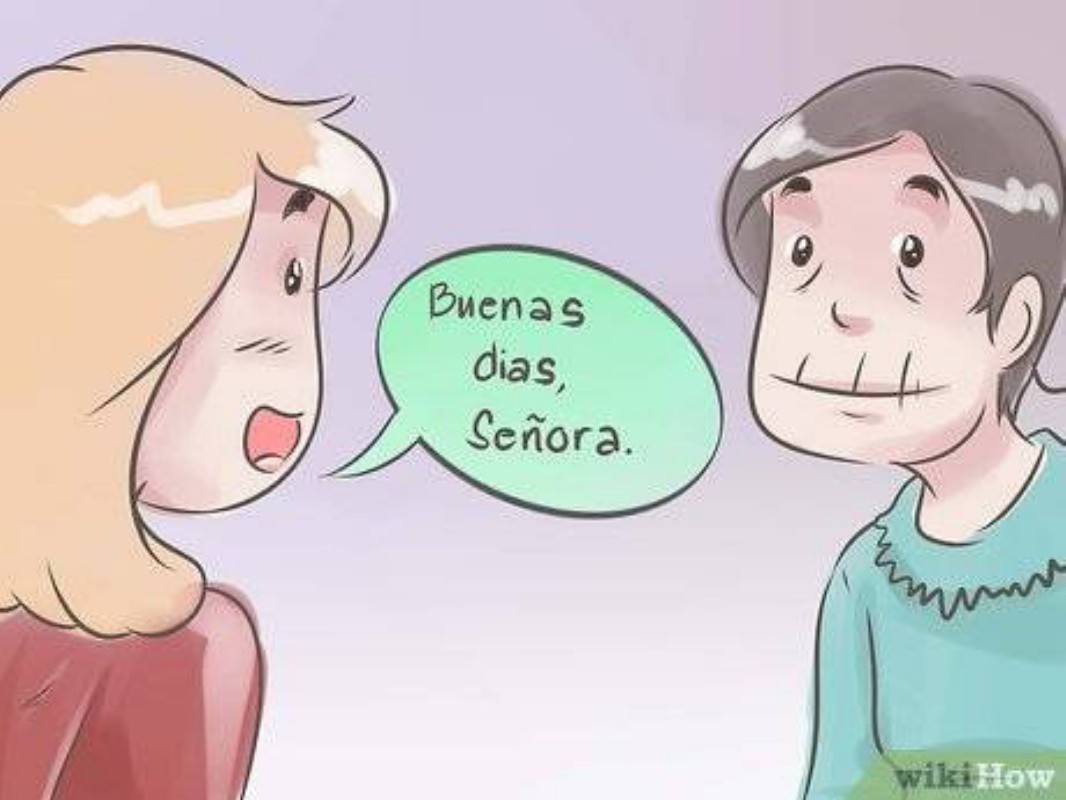
Spanish is one of the most widely spoken languages in the world, and living in Spain, mastering basic communication skills is essential. The Spanish trilled R is an important part of pronunciation, and beginners can start with common greetings, such as Hola, Gracias, Por favor, which appear frequently in daily life. It is recommended to spend ten minutes each day practicing pronunciation; even if you can’t remember all the words right away, the Spanish learning tips can strengthen your language sense.
Common Pronunciation Challenges
Many learners struggle with the trilled R sound. It is recommended to repeatedly practice words like “carro” or “perro”, along with slow pronunciation recordings for imitation, so that your mouth muscles gradually adapt. In addition, the letter J in Spanish sounds similar to the English “h” as in “hot”, such as in the word “jamón”.
| Letter | Common Pronunciation |
|---|
| R | front-of-mouth trill |
| J | throaty “h” sound |
| LL | similar to English “y” |
Building and Memorizing Vocabulary
To live more comfortably in Spain, it’s best to accumulate vocabulary based on everyday situations. For example, in the supermarket, the Spanish pronunciation techniques can start with learning words for fruits, vegetables, and spices; in restaurants, prioritize learning categories from the menu. Label items you interact with daily in Spanish, even if just on sticky notes, and it will greatly speed up your memory.
Key Points for Grammar Beginners
Spanish has a clear verb conjugation system, and beginners should start with the most common present tense forms. Distinguishing between the verbs ser and estar is a fundamental early step; for instance, [ size=18 ]“Yo soy profesor” and “Yo estoy cansado” can both be translated as “to be” in English, but they are used in different contexts.
Practicing Through Spanish Life Situations
Actively using Spanish in daily life is the best way to practice. You can chat with neighbors, ask about products in the market, or ask for directions on the bus. Don’t be afraid of making mistakes—even if your grammar isn’t perfect, locals are usually patient in correcting you. Applying what you’ve learned to real-life scenarios is the key to rapid progress.
