Detailed Guide to Spanish Alphabet Pronunciation
When living in Spain, mastering letter pronunciation is an important step towards integrating into daily life. The Spanish alphabet is somewhat similar to English, but there are clear differences in pronunciation and usage. Many beginners confuse certain letters at first, such as the difference between the pronunciation of c and z. In fact, as long as you remember a few rules, you can easily master it.
Spanish Alphabet
| Letter | Pronunciation Example |
|---|
| A | a |
| B | be |
| C | ce |
| H | hache |
| Ñ | eñe |
It should be noted that pronunciation in mainland Spain and Latin American regions may vary slightly.
Common Pronunciation Tips
- H is silent: For example, hola is pronounced “ola”, and beginners often mistakenly pronounce it as “hola” with a sounded h.
- Ñ appears only in Spanish, such as in niño. This sound is rare in other languages.
- C before e or i is pronounced as “th”/θ in most of Spain, while in much of Latin America it is pronounced like the English s.
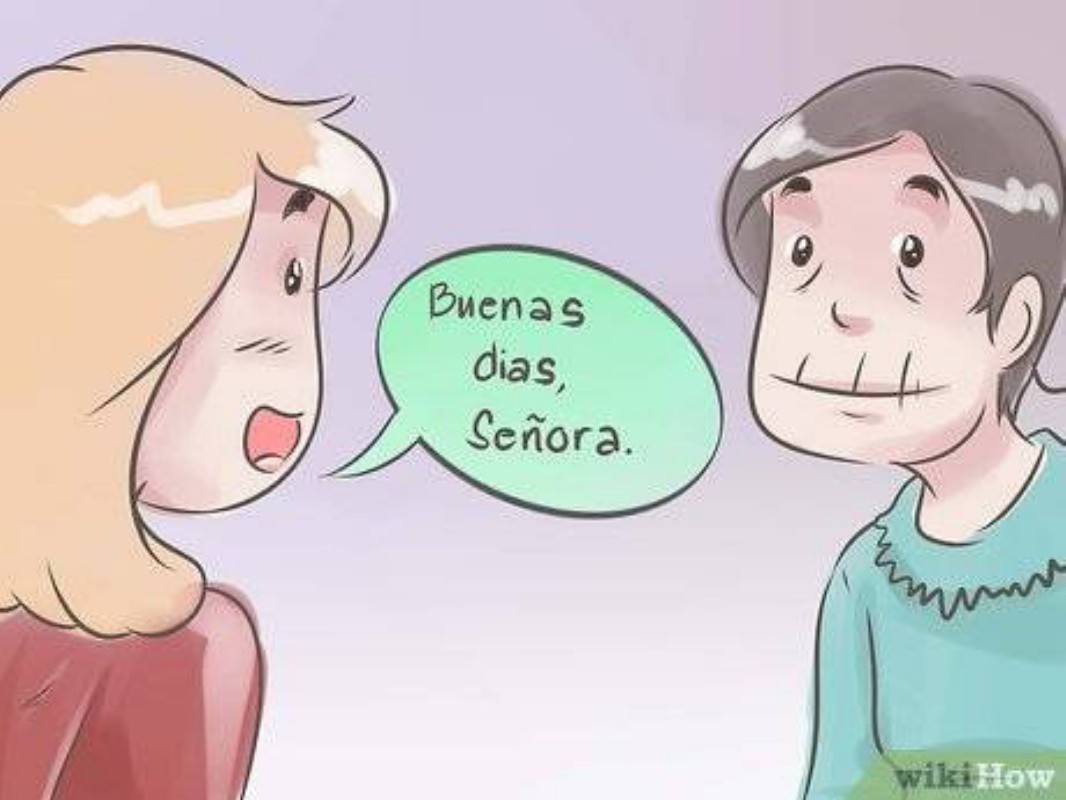
Letter and Word Association Memory Method
To memorize faster, you can associate common words starting with each letter. For example:
By repeatedly encountering these pronunciations through elements such as Spanish I Love You seen on signs or store names in daily life, you will gradually get used to them.
Regional Differences
In northern Spain, you are more likely to hear the θ sound, while in the south and Latin America, you will hear a softer s sound. This difference is neither right nor wrong; it mainly depends on the environment where you live. It is recommended to imitate local speakers so conversation flows more naturally.
Conclusion
The pronunciation of Spanish letters is not complicated. Just listen and practice more in daily life—for example, bus stop announcements or TV news—and you can quickly enhance your pronunciation accuracy. In forums, everyone can also share interesting pronunciation anecdotes or study methods to make learning more fun.
