The Charm of Spanish Children’s Stories
For friends living in Spain, or parents wanting their children to experience Spanish culture, a common question is: how can we make learning Spanish enjoyable and effortless for kids? From my experience, starting with children’s stories is a great choice. Stories not only immerse children in magical plots, but also allow them to build vocabulary and develop a natural feel for the language without even realizing it.
Choosing the Right Type of Story
To help you select suitable reading materials, I have compiled several common types from Spanish Learning:
| Type | Suitable Age |
|---|
| Fairy tales | 4-8 years |
| Fables | 6-10 years |
| Adventure stories | 8 years and above |
Fairy tales use simple language and vivid imagery, perfect for children just starting to learn Spanish. Fables often carry profound morals, helping to develop a child’s thinking skills. Adventure stories spark curiosity and a desire to explore.
How Parents Can Participate
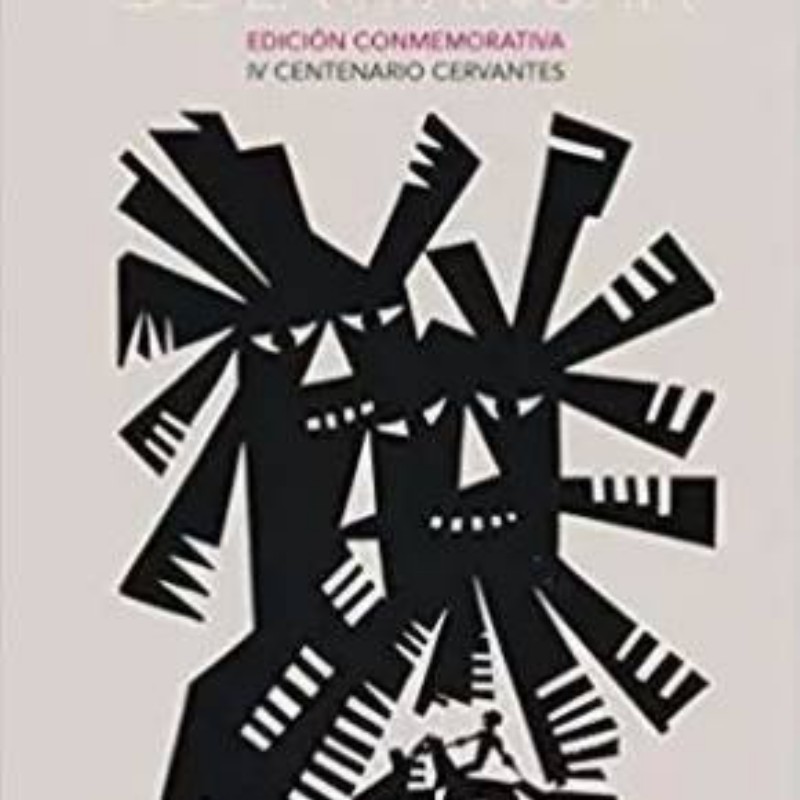
Parental involvement is essential during reading sessions. You can use different voice tones to bring story characters to life and make the experience more engaging; you can also create Q&A interactions, prompting children to retell the story’s plot. This serves both as a wonderful bonding moment and a way to reinforce language memory.
Integrating Stories into Daily Life
Storytelling in Spanish doesn’t need to be limited to reading time. Everyday situations can incorporate phrases or vocabulary from stories. For example, when cooking, refer to a kitchen scene from a story; when going out, use adventure descriptions from the tale. This helps children perceive Spanish as part of daily life, not just something in textbooks.
Recommended Resources
In addition to purchasing printed books like Spanish Mystery Stories, you can use free online resources such as Spanish children’s story audio or video. Many museums and libraries also host storytelling events regularly, and parents can take their children to participate, allowing them to enjoy stories in a real-language environment.
Conclusion
Mastering Spanish does not have to be dull. Incorporating children’s stories into the learning process allows kids to improve their language skills through laughter and imagination. We hope families living in Spain can find amazing stories suited to their children, enriching their language world continuously.
