What is Spanish Reading Level
Many newcomers to life in Spain often wonder: at what stage is my Spanish reading ability? This affects not only daily life but is also a key factor in integrating into the local society. Reading ability encompasses vocabulary range, syntactic comprehension, and cultural background awareness.
Reading Level Classification
In the Spanish learning community, it is common to refer to the Common European Framework of Reference for Languages to define reading ability levels:
| Level | Description |
|---|
| A1 | Can understand simple everyday expressions and short sentences |
| A2 | Can read short texts and common written notices |
| B1 | Can understand articles on specific topics |
| B2 | Can easily read general news and magazine articles |
| C1 | Can understand complex, highly specialized texts |
| C2 | Nearly native level |
At the beginning, long sentences can be intimidating, but with planned training, such as through the Spanish High School Exam, each stage can be gradually mastered.
How to Improve Reading Skills
There are many ways to improve, such as reading Spanish local reports daily and exchanging book recommendations with local friends. Diversifying reading materials is important—literature, news, legal texts, and manuals can all help broaden your perspective. 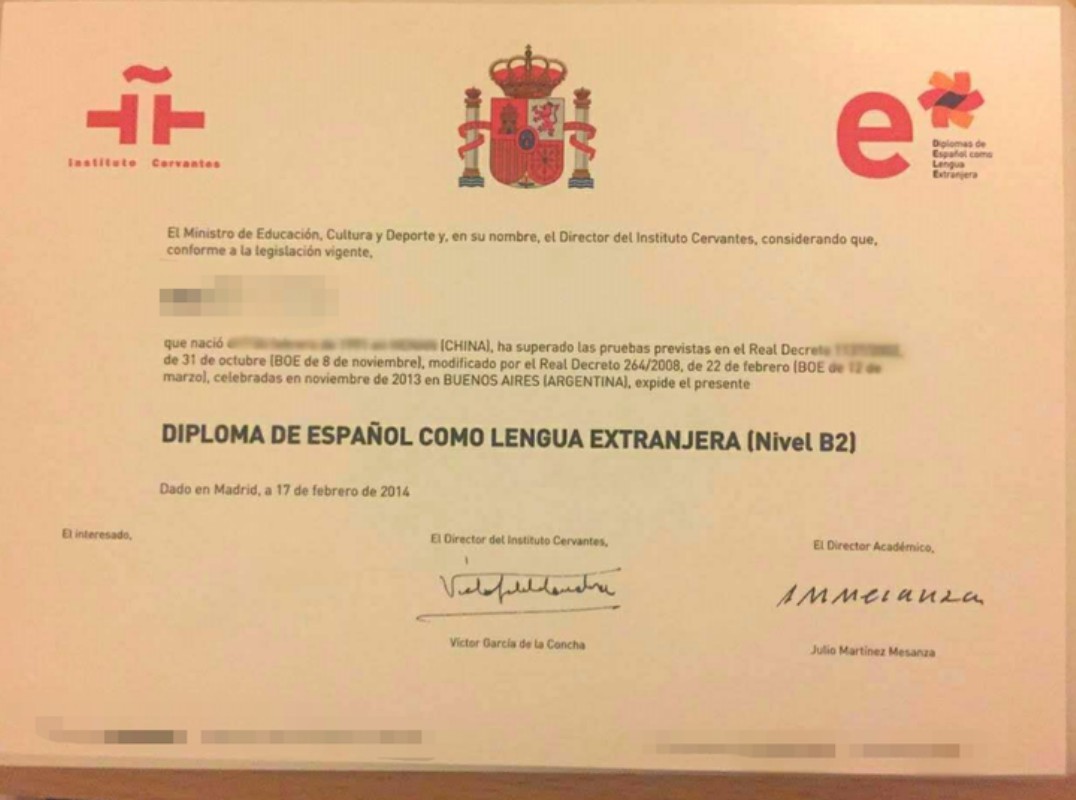
Combine intensive reading with extensive reading: intensive reading helps to deeply understand grammatical structures through resources like the Spanish Proficiency Exam, while extensive reading quickly builds vocabulary and familiarity with expressions.
Common Challenges and Solutions
A frequent challenge is losing patience when encountering too many unfamiliar words. Mark unknown words during reading, then reinforce your memory by encountering them repeatedly in context.
Another approach is segmented reading—focus on 3–5 paragraphs at a time instead of reading everything at once, making it easier to maintain concentration. You can also discuss articles with your study group and share interpretations.
Reading Practice in Spanish Daily Life
Living in Spain, you will encounter all kinds of written material, such as metro notices, shopping receipts, and government documents. These are natural resources for improving your reading skills. Treat daily textual encounters as practice to not only enhance your language ability but also adapt quickly to local culture.
The ultimate goal is to make Spanish reading a daily habit, integrating it naturally into your personal and professional life so that you can freely access and express information—this is the true mastery of a language.
