How to Say “Thank You” in Spanish
For many beginners learning Spanish, the first phrase they want to master is how to say “thank you.” In daily life, whether in Spain or Latin America, expressing gratitude is an essential part of polite communication. The most common way to say “thank you” in Spanish is Gracias.
Basic Usage
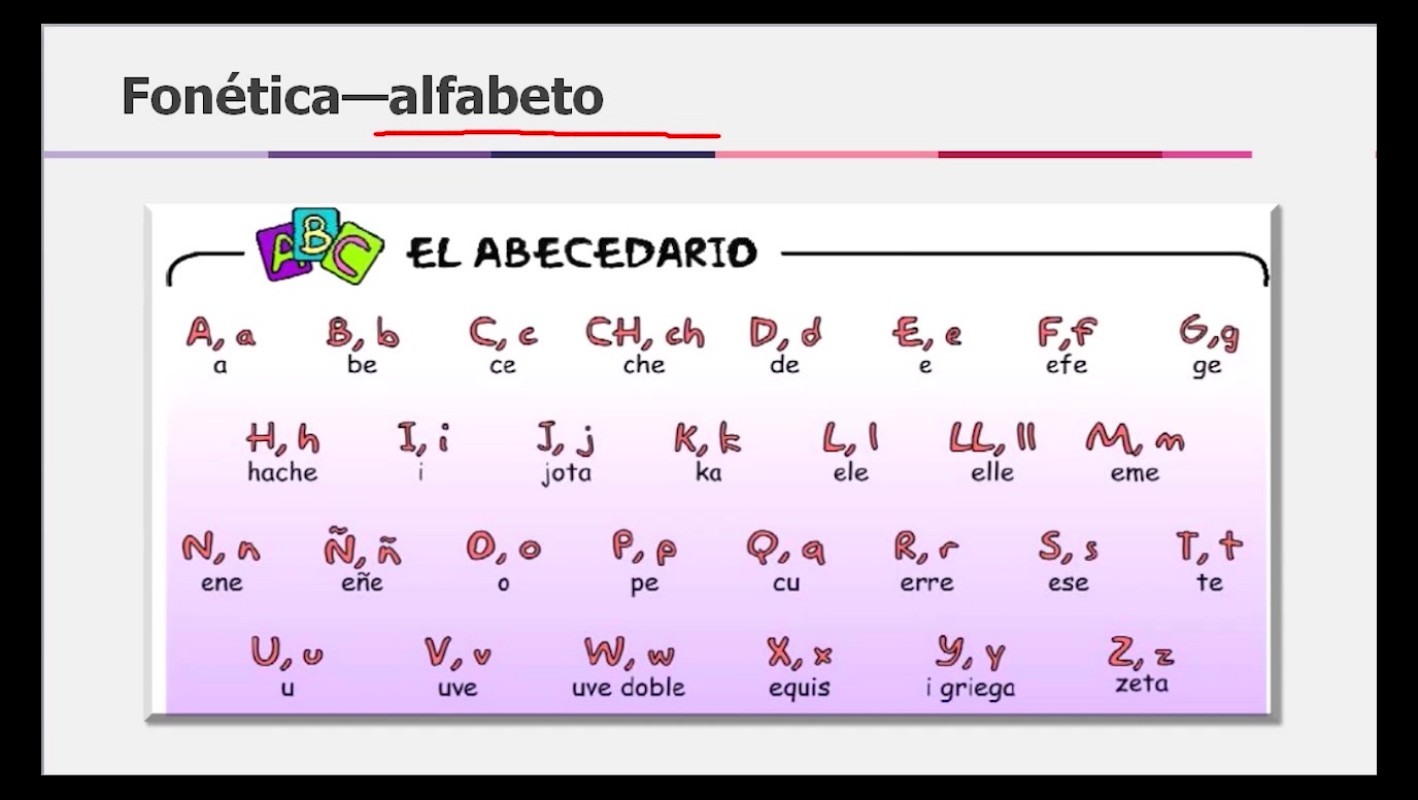
The pronunciation of Gracias is roughly “ɡɾaˈθjas” or “ɡɾaˈsjas.” You can say Gracias when receiving something, getting help, or when someone does something kind for you—it is simple, direct, and polite. If you want to express stronger gratitude, you can add words like Muchas gracias or Muchísimas gracias.
Expressions in Different Situations
| Situation | Expression |
|---|
| Receiving a gift | Muchas gracias |
| Paying the bill at a restaurant | Gracias, muy amable |
| A friend helping you | Te lo agradezco |
| Ending a letter | Con gratitud |
These expressions are common in both Spain and Latin America, though the tone and habits may differ slightly due to regional cultural differences.
More Formal Ways to Express Thanks
In some formal settings, such as in business emails or meetings, thanks can be expressed as “Le agradezco” or “Quiero expresar mi agradecimiento.” This type of sentence conveys more respect, for example when addressing clients or partners.
Cultural Tips
In Spain, people sometimes accompany thanks with a smile or a light touch on the arm; while in Latin America, the gracias pronunciation may be followed by friendly terms of address like “amigo” or “señorita.” These details can make your thanks more heartfelt. Among friends, you might even use a humorous expression like “¡Mil gracias!”
Learning Suggestions
To make your “Gracias” sound natural, listen often to how locals use it and imitate their tone and expressions. Don’t mechanically add it at the end of every sentence, but say it appropriately according to the context. The more you use and practice it, the more gratitude becomes a natural part of your conversation.
