Detailed Pronunciation of Spanish Good Night
In Spain and in Latin American countries such as those found via Spanish Good Night, saying “Good night” when parting in the evening is a very common courtesy. In Spanish, “Good night” is Buenas noches. Depending on the context, it can be used to say goodbye or to wish someone a good sleep.
Pronunciation
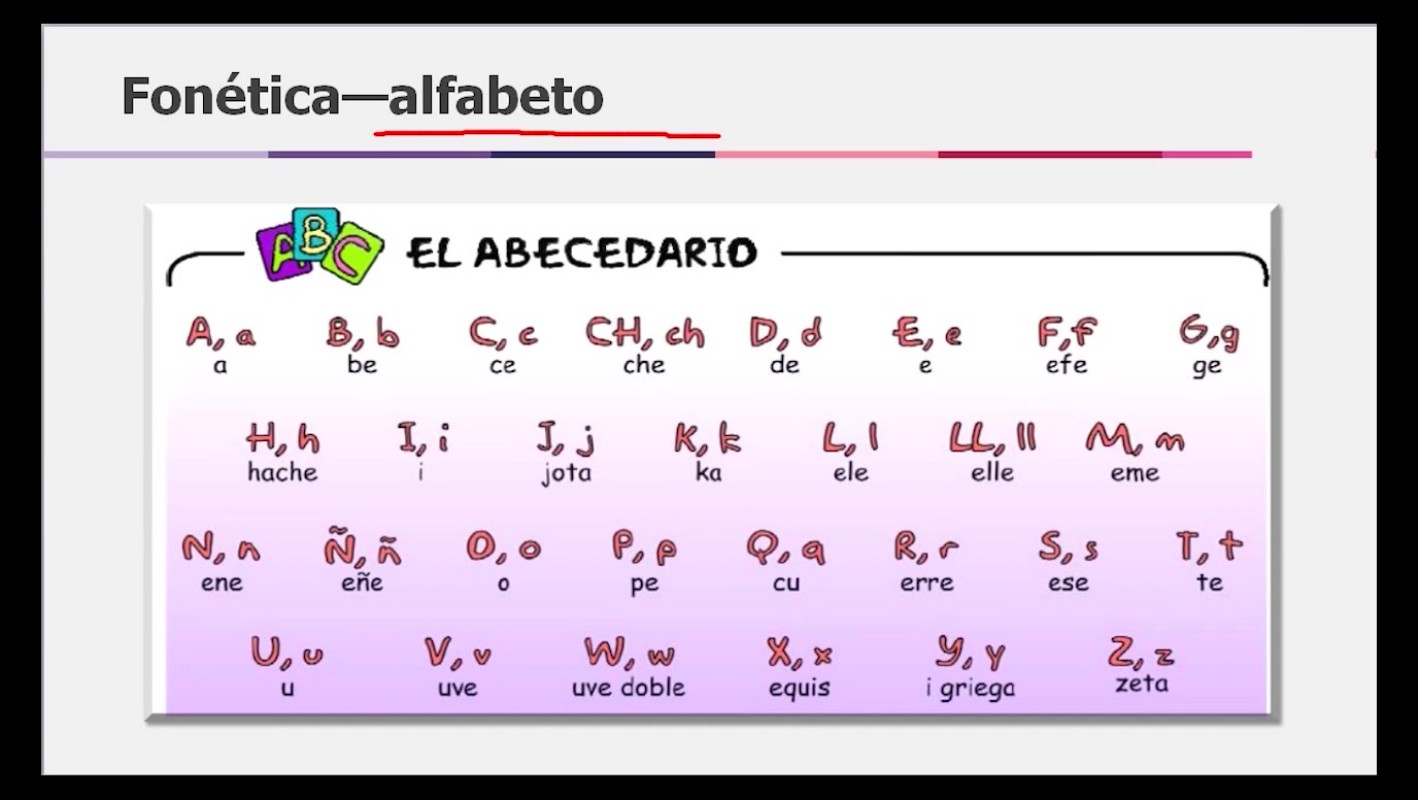
Buenas is pronounced approximately /ˈbwɛ.nas/, with the b similar to the English b but slightly voiced; ue sounding like the “we” in English; and nas pronounced directly as in Spanish. Noches is pronounced approximately /ˈno.tʃes/, with ch sounding like the “ch” in “church”.
| Word | IPA |
|---|
| Buenas | /ˈbwɛ.nas/ |
| Noches | /ˈno.tʃes/ |
Tip: You don’t need to stress every letter; just follow the overall syllables to make your pronunciation sound more natural.
Usage Scenarios
- When parting with friends in the evening: Buenas noches.
- Saying a bedtime wish to family: Buenas noches, que descanses. (Good night, rest well.)
- At the end of an evening formal meeting: Muy buenas noches a todos.
Common Mistakes
Many beginners mispronounce Buenas as something closer to “Buwanas”; in reality, Spanish pronunciation is softer. Also, the “ch” in Noches should be clear, not pronounced as “Noces” or “Nosais”.
Inaccurate pronunciation can make you sound distant, so listening to native speakers is key.
Summary
Saying good night in Spanish is more than just a greeting; it’s a warm social gesture. Whether on the streets of Madrid or in a small Latin American town, when night falls, telling people Buenas noches always brings you closer together.
It is recommended to practice three times before bed every day to make it a natural habit.
