Sharing Materials and Methods for Children Learning Spanish
Living in Spain, many parents pay attention to their children’s Spanish learning process. Whether from non-native families who have just arrived in Spain, or children aiming to improve bilingual skills, choosing appropriate materials is crucial for learning results.
Types of Materials Suitable for Different Age Groups
| Age Group | Material Features |
|---|
| 3-6 years | Picture books, songs, and games as the main focus, emphasizing fun |
| 7-12 years | Adding basic grammar and short reading, gradually improving structural understanding of the language |
| 13 years and above | Comprehensive materials with emphasis on vocabulary, writing, and oral expression |
For Spanish children’s songs for younger children, you can opt for beginner materials based mainly on stories and images, such as the “Peppa Pig en Español” series, allowing children to learn in a relaxed atmosphere. 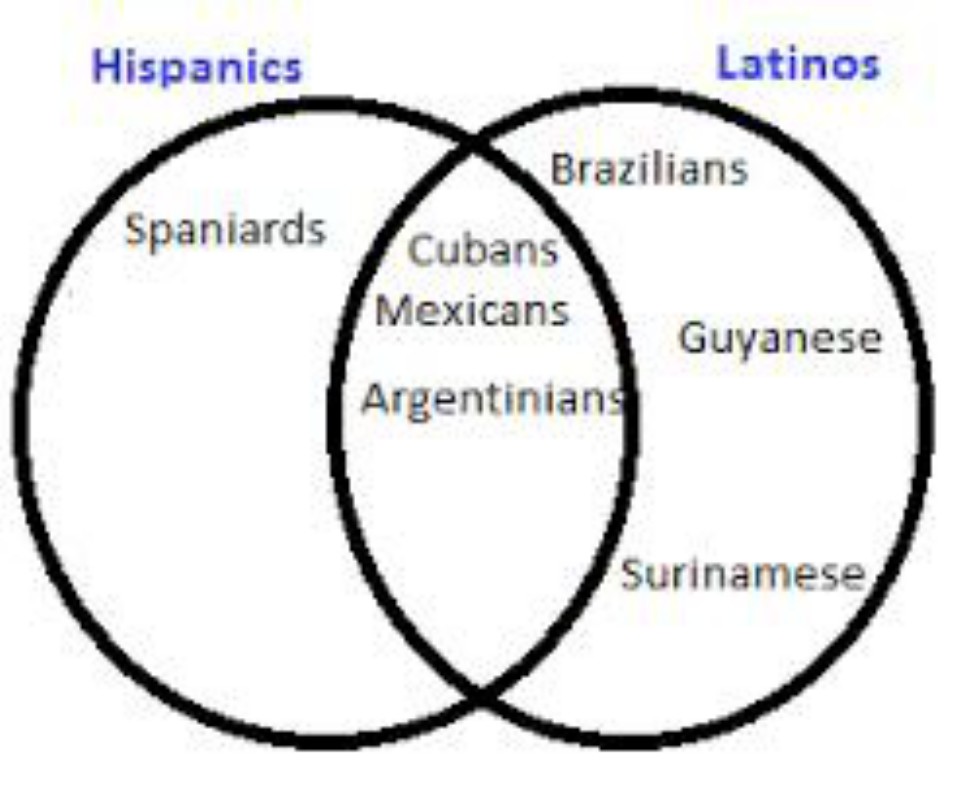 These illustrated resources are not only vivid but also unconsciously expand vocabulary.
Key Factors in Choosing Materials
When selecting materials, pay attention to combining the child’s interests with real-life scenarios. For example, common everyday vocabulary and terms used in the classroom should be reflected in the materials. Interest-driven learning is often more effective than pure rote teaching.
For slightly older children, you can choose materials that include workbooks, such as “Aula Internacional” beginner edition, guiding them to master grammar and practical expressions through Spanish nicknames in context-based dialogues.
The Supporting Role of Parents
Parents can schedule 15-20 minutes of Spanish time each day, reading books together, listening to songs, or watching Spanish cartoons. This companionship helps children engage more actively in the learning process.
If parents are not proficient in Spanish themselves, audio courses or apps such as Duolingo and Lingokids can assist—convenient and able to satisfy the child’s curiosity.
The Importance of Practice and Communication
Learning a language is not only about materials but also real communication. Through community activities, school groups, or hobby classes, encourage children to communicate in Spanish with peers. The actual use of language is the key to reinforcement and a source of confidence.
Conclusion
No matter what materials are chosen, consistent practice and a positive communication environment are the core for children to learn Spanish well. We hope everyone will share in the forum the good materials and learning experiences their children have used, so more families can benefit.
