Feminine and Masculine in Spanish
When learning Spanish, the gender of nouns—feminine and masculine—is an unavoidable topic. Sometimes we make mistakes in sentence construction due to the gender of a word, so mastering these rules is crucial. Next, in Spanish Feminine Nouns, I share some learning insights that I hope will be helpful.
Basic Distinction Methods
Generally speaking, Spanish nouns ending with -o are mostly masculine, and those ending with -a are mostly feminine, such as libro and casa. But there are quite a few exceptions, for example, mano is feminine, so pay attention when studying.
| Ending | Common Gender |
|---|
| -o | Masculine |
| -a | Feminine |
| -ma | Masculine |
| -dad | Feminine |
Common Exceptions
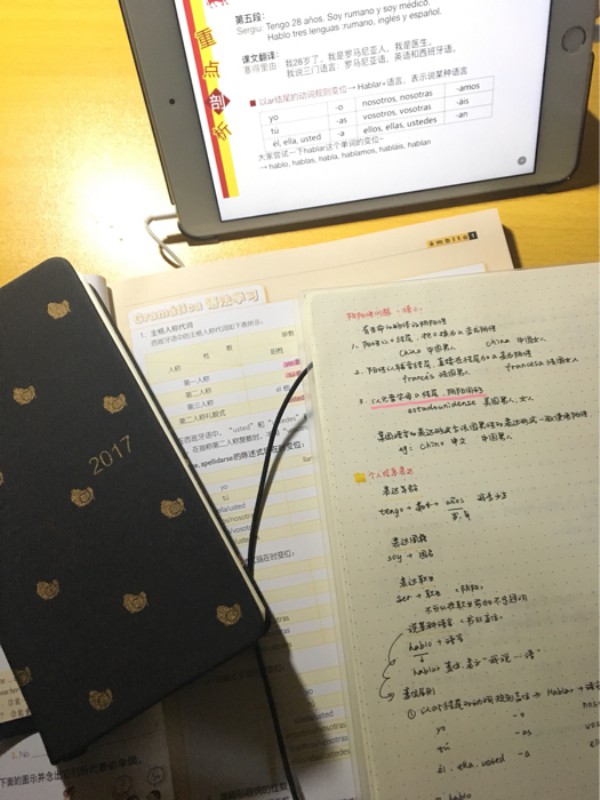
Do not be misled by the ending; for instance, mapa is masculine, and día is also masculine. These cases require accumulation and memorization to master. I usually highlight with colors in my notes for easier review.
The Role of Articles
Spanish articles are used in accordance with the gender of nouns, which is also a good way to determine gender. For example, el problema and la solución. If you encounter an uncertain word, you can consult a dictionary to confirm the article form.
Changes in Plural Forms
When forming plurals, the masculine and feminine rules also affect the articles and adjectives, for example:
- Masculine: el libro → los libros
- Feminine: la casa → las casas
Familiarity with these changes helps improve accuracy in speaking and writing.
Study Tips
It is recommended that you constantly pay attention to the articles, endings, and exceptions of nouns during reading and listening. Do more matching exercises, and work with classmates on mini quizzes. Using tables to record special nouns you come across is an effective way to reinforce memory.
