Spanish Scriptwriting and Lifestyle Communication GuideSpanish Vocabulary
For friends living in Spain, there are often situations where you need to express everyday conversations or stories in Spanish. Scripts are not only the foundation of film and theatre but also a great tool for language learning and cultural exchange. Here we share some insights and methods for creating Spanish scripts within the living environment in Spain, aiming to help you better integrate into the local culture.
Understanding everyday scenarios
Before you start writing, begin with real-life situations. For example, ordering in a café, handling procedures at the town hall, or exchanging pleasantries with neighbors. The language from these scenes feels more authentic, giving the script a realistic atmosphere. Integrating everyday expressions not only enhances the appeal of the script but also helps readers or audiences learn.
Language nuances and cultural habits
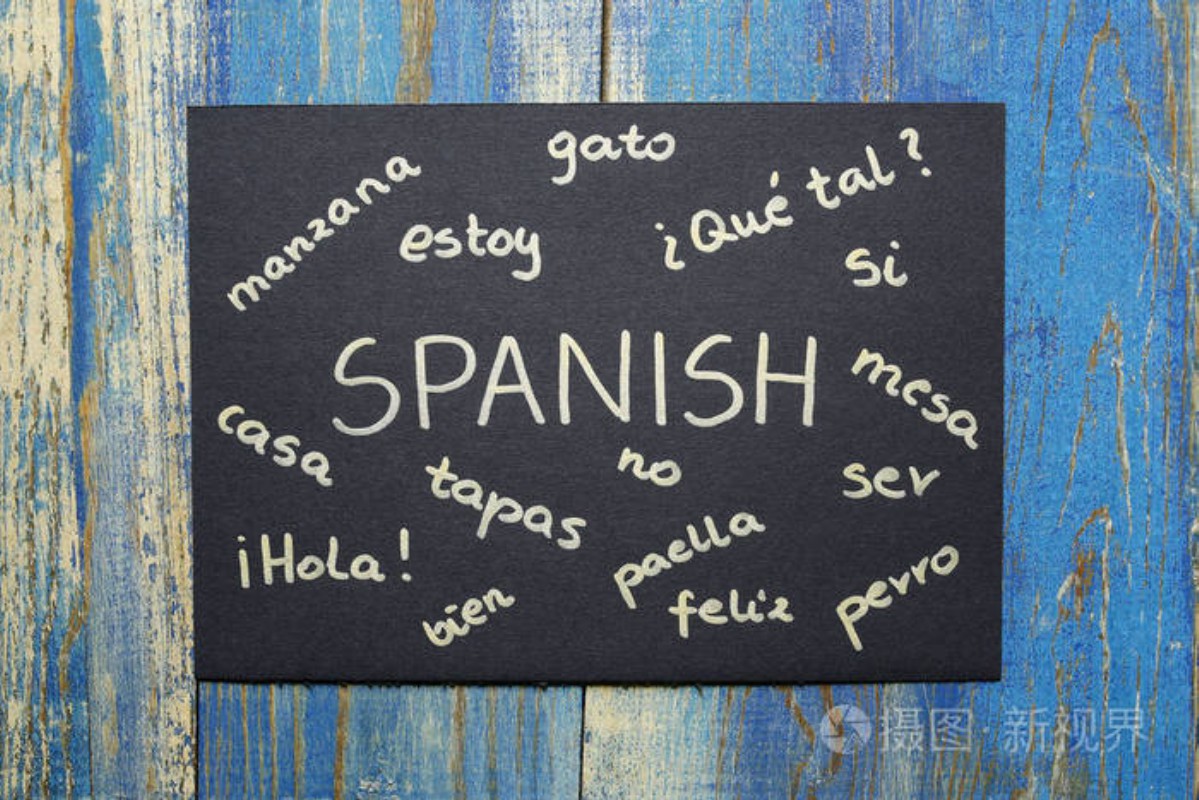
In Spanish scripts, paying attention to linguistic detail is crucial. Different regions in Spain have varying expressions—for instance, in Andalusia and Catalonia, greeting phrases may differ as shown in Spanish Color Phrases. Try to distinguish these variations in your script to add regional flavor. Pay attention to verb conjugations and polite expressions, such as using “usted” to convey respect, which is especially important in formal settings.
Structure and character development
A good script requires a clear narrative structure and vivid character design. Lifestyle scripts often revolve around ordinary people; refer to the table below:
| Scene | Main Characters |
|---|
| Morning in a café | Server and regular customer |
| Weekend at the market | Vendor and shopper |
| On the bus | Driver and passenger |
Blending emotion and detail
Emotion is the soul of a script. Adding changes in emotion to dialogue can create resonance with the audience. For example, shifts between argument, joy, or surprise can make a life-oriented script more dynamic. Also, remember to set the atmosphere through environmental descriptions—for instance, the sunlight in the square, the taste of the sea breeze, or the music from the street.
Sharing and exchanging ideas
After finishing your script, share it on forums or with a local theatre group to seek feedback. The tagging function on Flarum is convenient, allowing you to classify discussions by script type. Exchanging ideas with other creators not only provides improvement suggestions but also expands your social circle. This is a great way in Spanish life to let language and creativity grow side by side.
We hope you can use Spanish to record and perform the stories around you, letting language learning and life experiences blend naturally.
