Sharing Experiences of Learning Spanish, Korean, and Japanese in Spain
If you live in Spain and have an interest in Spanish, Korean, and Japanese, you’ll find numerous opportunities to access resources for learning multiple languages. Compared to studying in your own country, being in Spain not only provides an immersive Spanish environment but also exposes you to an international community, creating a different atmosphere for studying Korean and Japanese.
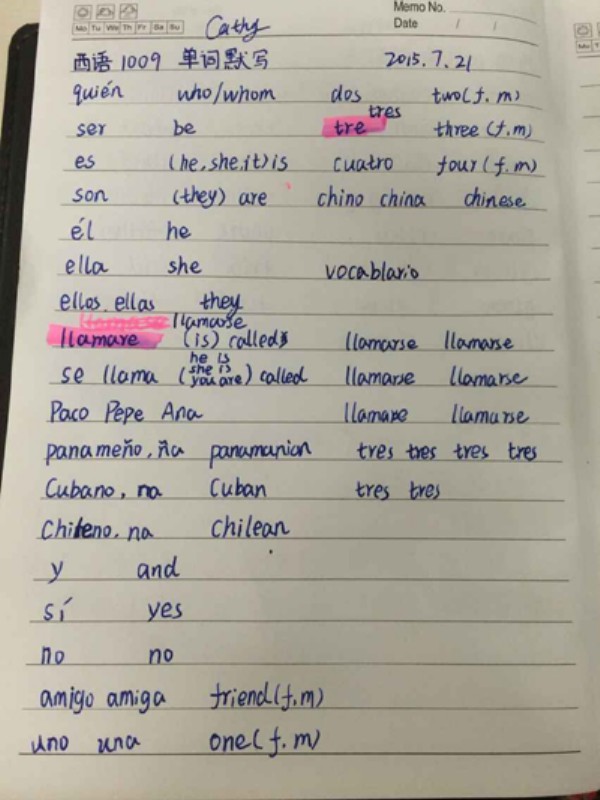
The Environmental Advantages of Spanish
The greatest benefit of learning Spanish in Spain is that every detail in daily life becomes language input. Supermarkets, subways, and neighborhood conversations are all natural listening practice sessions. Especially in small towns, where locals speak at a slower pace, it is easier to catch vocabulary and grammar usage. For rapid improvement, it’s recommended to record new words daily and try to integrate them into conversations.
Korean and Japanese Resources
Although Korean and Japanese are less widespread in Spain than English, in large cities such as Madrid and Barcelona, there are numerous Korean and Japanese cultural centers, language schools, and community organizations. Many university language centers also offer elective courses, which help build a solid foundation. You can also find native language exchange partners via Meetup or Facebook groups.
Comparison of Learning the Three Languages
| Language | Perceived Difficulty |
|---|
| Spanish | Most practical for everyday communication, clear phonetic rules |
| Korean | Unique writing system [Hangul], grammar requires adaptation |
| Japanese | Combination of kanji and kana, complex honorific system |
Combining Self-study and Language Exchange
When studying Korean and Japanese, I found that combining self-study with language exchange is more effective. You can use online apps for vocabulary memorization, watch Spanish and Korean videos on YouTube for tutorials, and then practice speaking in offline activities. Especially with language exchange, you can learn authentic expressions not found in textbooks.
Time Management and Mindset
Learning three languages can feel overwhelming, so it’s important to arrange your schedule wisely—for example, focus intensively on one language each day and do light reviews of the other two. Do not mechanically memorize all grammar points; instead, gradually master them through continuous input and output via Language Choice. Meanwhile, maintaining interest is key to long-term persistence. You can make studying enjoyable by watching dramas, listening to music, or attending cultural festivals.
I hope this sharing offers some inspiration for multilingual learners living in Spain, and everyone is welcome to leave a comment to exchange their learning methods and experiences.
