Spanish Translation Exam Preparation Materials and Tips
When preparing for the Spanish translation exam, many people find the resources scattered and struggle to follow a systematic learning path. Based on my own experience, I have compiled some practical preparation materials and methods from Spanish Exam Resources to help those who are working hard.
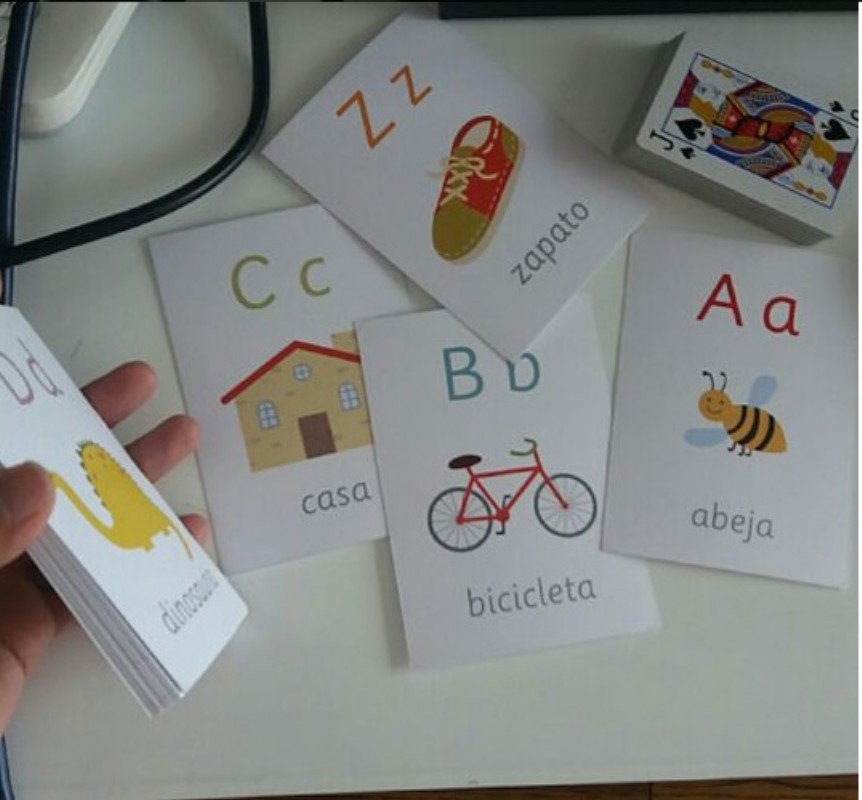
Building Core Vocabulary and Phrases
The first step in preparation is to master high-frequency vocabulary and common expressions. It is recommended to spend a fixed amount of time each day reading Spanish news and editorials; this will not only build your vocabulary but also help you understand local cultural contexts and improve translation accuracy. Remember to create categorized vocabulary lists, such as legal, economic, and political terms, which will help you quickly recall them during the exam.
| Field | Example Vocabulary |
|---|
| Legal | jurisprudencia, contrato |
| Economic | inflación, exportación |
Past Paper Analysis and Mock Practice
Analyzing past exam papers can help you understand the question formats and grading criteria from Spanish Learning Resources. It is advisable to complete at least three full sets of past papers under timed conditions to train your time management skills. After completing, always compare with the reference translations and reflect to identify gaps in grammar or word choice.
Bilingual Reading and Notes
Personally, I highly recommend bilingual reading—for example, choosing a Spanish literary work alongside its English translation. Try translating a passage yourself first, then compare with the official translation and analyze differences. Use note-taking software to create a collection of mistranslations for easy review later.
Use of Professional Tools
Many people overlook the advantages of computer-assisted translation tools such as SDL Trados or MemoQ, which can help build terminology databases and improve translation consistency. Even if you are not required to submit CAT-format work during preparation, these platforms are excellent for practice. Don’t wait until right before the exam to learn these tools; becoming familiar early on will greatly reduce stress.
Psychology and Time Management
Finally, do not forget mental preparation. While life in Spain is generally relaxed, the stress on exam day can be intense. Create a reasonable study schedule to ensure you practice translating every day while also taking rest breaks. Moderate exercise can relieve tension, keeping your mind clear during the test.
I hope these resources and methods prove helpful; if you have better materials, feel free to share them in the forum so that we can all learn and improve together.
