The Charm of Spanish Cursive Letters
Spanish cursive writing is not just a classroom subject; it carries the writer’s personality and cultural touch. Many people living in Spain notice that handwriting still plays an important role here. Whether signing a contract, writing a postcard, or leaving a small note for neighbors, you can often see beautiful cursive styles.
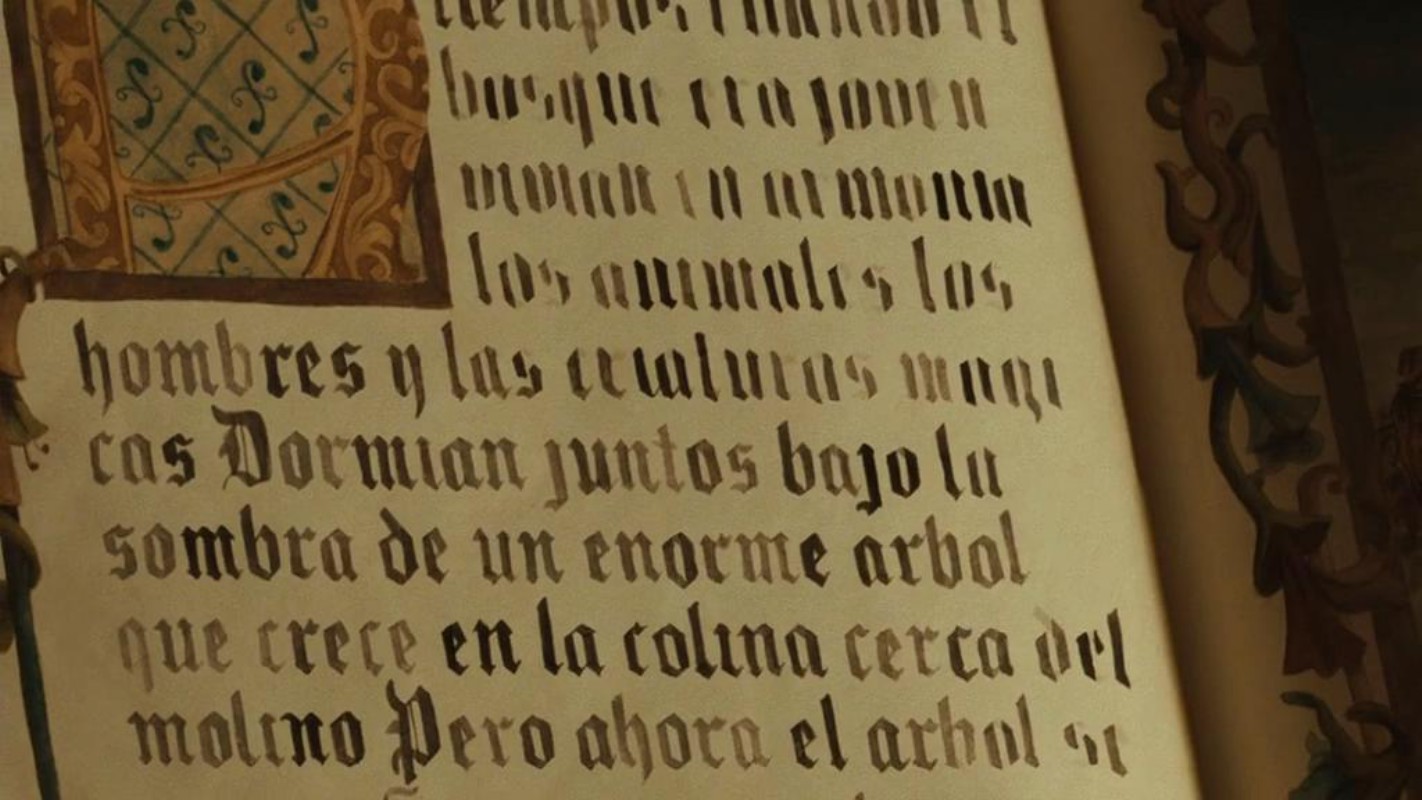
Common Differences in Cursive Letters
When writing by hand, certain Spanish letters look completely different from their printed forms. For example:
| Printed | Cursive |
|---|
| a | Similar to English but more rounded |
| g | Larger lower loop and connected strokes |
| r | Lowercase has a noticeable wave shape |
These differences may feel confusing at first, but with repeated practice and observation, you will gradually master their patterns.
Practice and Tools
There are many ways to practice cursive writing. In addition to repeatedly tracing in notebooks, you can try using dedicated cursive practice sheets. Some stationery shops offer workbooks with dotted letters—perfect for beginners learning stroke order. Spend 15 minutes practicing every day and you will see remarkable improvement.
If you enjoy digital tools, tablets and stylus pens can help you simulate actual handwriting. Some Spanish learning apps even feature cursive practice modes, letting you write while following on-screen examples.
Cursive in Everyday Spanish Life
During festive events in Spain, many people handwrite greeting cards, where beautiful cursive script not only conveys good wishes but also reflects thoughtfulness and courtesy. In some old town cafés, menus are written in cursive, adding a warm and personal touch to the environment.
At school, teachers often use cursive when grading homework or writing comments. So even in the digital age, mastering Spanish cursive remains a valuable everyday skill.
Learning Tips
Beginners can follow these steps for Spanish cursive fonts:
- Get familiar with the writing order of each letter
- Start with simple short words such as “hola” and “gracias”
- Gradually practice longer sentences and common phrases
- Read handwritten letters or old books and mimic their letter shapes and joining methods
Remember, beautiful handwriting comes from steady practice, not just memorizing rules. The more you use and write, the more your Spanish cursive will naturally blend into daily life.
