Overview of Spanish Vocational Courses
For those planning Spanish Vocational Graduation with the intention of living in Spain long-term or engaging with Spanish-speaking regions, a Spanish major at a vocational school offers a relatively flexible and cost-effective path. Typically, vocational school programs last 2 to 3 years and include language fundamentals, listening, speaking, reading, and writing training, as well as cultural and social studies. This phase is not only about building language skills but also marks the starting point of integrating into local life.
Course Structure and Learning Methods
Common course arrangements include:
| Course Category | Example Courses |
|---|
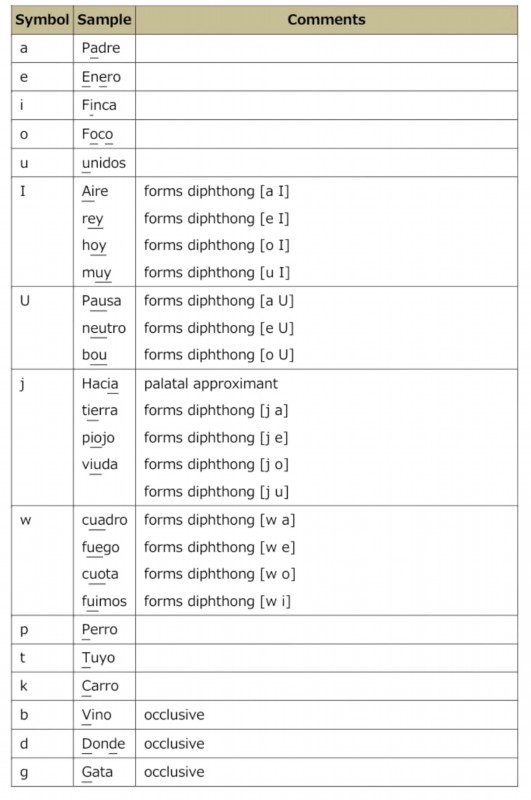
| Language Skills | Phonetics and Pronunciation, Conversation Training |
| Literature & Culture | Introduction to Spanish Literature, Latin American Culture |
| Practical Skills | Business Spanish, Tourism Spanish |
When it comes to learning methods, immersive practice is particularly important. You can consolidate classroom learning by interacting through Spanish Vocational Studies with locals or joining language exchange activities. It is also recommended to make good use of the school library and online resources to enhance vocabulary and communication skills.
Advantages of Studying and Living Abroad
Choosing a vocational school in Spain or other Spanish-speaking countries offers the greatest advantage of using the language in real-life contexts. Compared to solely studying in your home country, this environment allows you to quickly grasp idiomatic expressions, slang, and cultural nuances. Additionally, vocational programs are shorter in duration and tuition is generally lower than undergraduate degrees, making them more suited to students with a limited budget.
Career Path Analysis
After completing a Spanish major at a vocational school, career opportunities are quite broad. Common paths include international trade, diplomatic services, tourism industry, and bilingual teaching in Chinese and Spanish. Especially in Spain, known for its abundant tourism resources, the demand for bilingual professionals remains stable, and salaries can be competitive.
How to Choose the Right School
When selecting a school, consider the following:
- Whether the school’s language labs and teaching facilities are well-equipped
- Cooperation with local businesses or institutions
- Graduate employment rate and industry distribution
By aligning your personal circumstances and future plans, choose a vocational school that can enhance your language skills while paving the way for career development, ensuring that your Spanish major studies deliver genuine value.
