Which Is Harder to Learn: Spanish or Russian?
Many people, when deciding to learn a new language, struggle to choose between Spanish and Russian. Both languages have rich cultural backgrounds, but the perceived difficulty during the learning process is quite different. Based on experience and analysis of their language structures, here’s a comprehensive reference for you.
Pronunciation and Alphabet System
Spanish pronunciation is fairly consistent, and in most cases, you can pronounce a word just by reading it, which is very beginner-friendly. Russian uses the Cyrillic alphabet, requiring adaptation to an entirely new writing system. Learning the Cyrillic alphabet is often a significant hurdle for many learners.
Grammar Structure
Spanish verbs undergo substantial conjugation, especially in past tenses and the subjunctive mood. Russian grammar is even more complex, with six grammatical cases, verbal aspects, and multiple word ending variations. Studying Russian grammar requires a high level of patience and consistent practice.
| Comparison Item | Spanish | Russian |
|---|
| Alphabet System | Latin alphabet | Cyrillic alphabet |
| Verb Conjugation | Many | Extremely many |
| Case Changes | None | Six cases |
Vocabulary and Memory
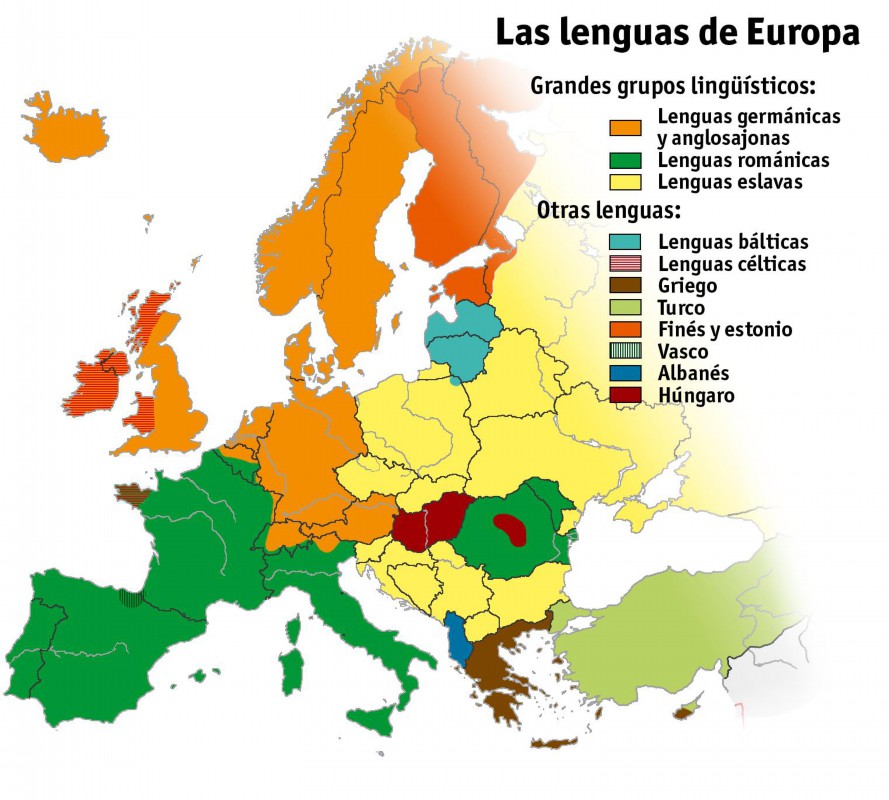
Spanish belongs to the Romance branch of the Indo-European language family, like English, so many words are similar to English. For Spanish learning learners who know English, vocabulary retention is relatively easier. Russian vocabulary differs greatly from English, meaning that even English speakers need much more time to memorize it.
Learning Resources and Environment
Living in Spain makes it easy to immerse yourself in native Spanish—on the streets, in media, and during conversations with friends. Russian speakers in Spain are comparatively fewer, so unless you deliberately join Russian-speaking communities, it’s difficult to achieve immersive learning.
Overall, if you enjoy tackling complex structures and have a strong interest in culture, Russian can give you a unique sense of achievement. If you want to start quickly and use your new language widely in daily life, Spanish may be the better choice.
Conclusion
No matter which language you choose, sustained interest and practice are the real keys to success. Hopefully, this comparison helps you better understand their differences, and feel free to share your learning experiences in forums to exchange insights.
