Daily Sharing on Raising Children in a Spanish-Speaking Environment
As Daddy Potato parents living in Spain or other Spanish-speaking countries, we face multiple challenges in language, culture, and education every day. Many new parents wonder: what are the advantages and challenges for children growing up in a bilingual environment? Based on my own experience, I’d like to talk about a few common topics.
Benefits and Challenges of Bilingual Parenting
A bilingual environment allows children to get used to different pronunciations and expressions from an early age, and their language sensitivity significantly improves. However, there are challenges: for example, when using different languages at school and at home, children might momentarily confuse them, requiring patient guidance. Some worry that such mixing might affect learning, but with the right methods, children can develop strong language-switching abilities.
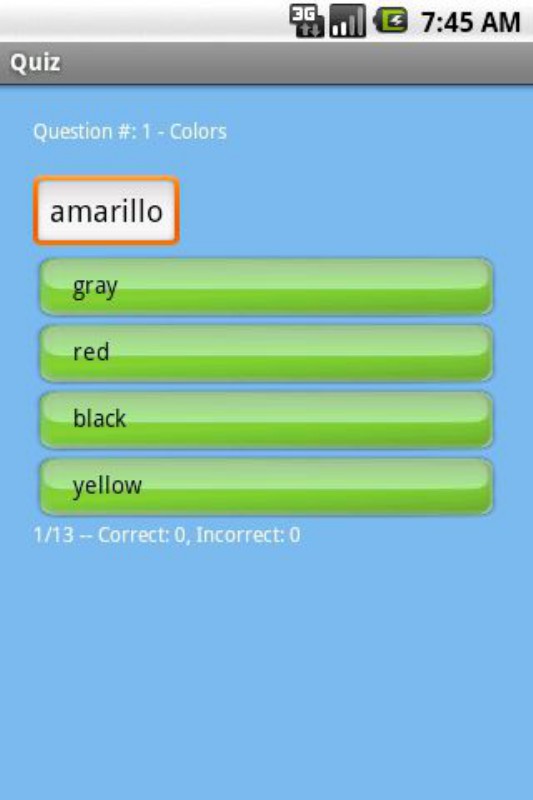
Creating a Spanish-Language Atmosphere at Home
Advice for parents is to interact in Spanish more often during daily life. For instance, when cooking, let your child help prepare ingredients while you describe the actions and ingredient names in Spanish—fun and educational at the same time. Watching cartoons, singing nursery rhymes, and playing board games are also great methods.
| Scenario | Spanish Usage |
|---|
| Morning greeting | Buenos días |
| Bedtime at night | Buenas noches |
| Asking for help | Por favor |
Coordination Between School and Home Language
Many parents struggle with whether to stick to only one language at home. My experience is that it depends on the child’s interest and adaptability. When Spanish is the main language at school, adding another language at home can broaden expression, but ensure that at least one environment is purely Spanish to provide stable input. Do not give up easily the habit of speaking Spanish at home—this will help children progress faster in writing and reading.
Cross-Cultural Parent-Child Interaction
For families living in Spain or other Spanish-speaking countries, adaptation involves not only language but also cultural differences. For example, holiday celebrations may differ; parents can choose to respect and participate in local culture while retaining some of their own traditions, learning together with their children how to integrate into a multicultural society.
Community and Mutual Support
Parents are encouraged to join local parenting communities or forums to share experiences and challenges in real time. As I shared in this post, stories from different families reveal more ways to solve problems through Spanish Father Expressions. Growing together is the greatest reward of bilingual parenting.
