Characteristics and Pronunciation of Spanish Vowels
Many beginners in Spanish often find that the pronunciation rules are somewhat simpler than in English because the vowels do not change depending on the position within a word. Spanish has five basic vowels: a, e, i, o, u. Each vowel has a pure sound, for example, a always sounds like /a/. This is very friendly for beginners, as remembering the single pronunciation of each vowel means reading words becomes much easier.
Consonant Voicing and Special Sounds
In Spanish, consonants may slightly change depending on their position. For example, the letter c before e or i is pronounced /θ/ or /s/, while in other positions it is pronounced /k/. The letter g before e or i is usually pronounced like the /x/ throat sound, while before a, o, u it is pronounced /g/.
Some consonants like r and rr are especially important in Spanish, because their trilled sounds can directly affect understanding.
Diphthongs and Hiatus
In Spanish, common diphthongs are a combination of a strong vowel and a weak vowel. For example, in “tierra” the ie is a diphthong. Hiatus refers to when two strong vowels meet or a stressed weak vowel causes them to be split into two syllables, as in “poeta” which is divided into po-e-ta.
Common Pronunciation Table
| Letter | Pronunciation Example |
|---|
| c | /θ/ or /s/ |
| g | /x/ |
| g | /g/ |
| j | /x/ |
| ll | /ʝ/ or /ʒ/ |
Stress Rules
The position of stress in Spanish affects the rhythm of pronunciation. In most cases, if the word Spanish Basic Grammar ends with a vowel, n, or s, the stress falls on the penultimate syllable; otherwise, it falls on the last syllable. If a word breaks this rule, an accent mark must be written. For example, in “camión” the stress is on the last syllable. Mastering stress rules helps improve fluency in speaking and makes listening comprehension easier.
Practice and Listening Improvement
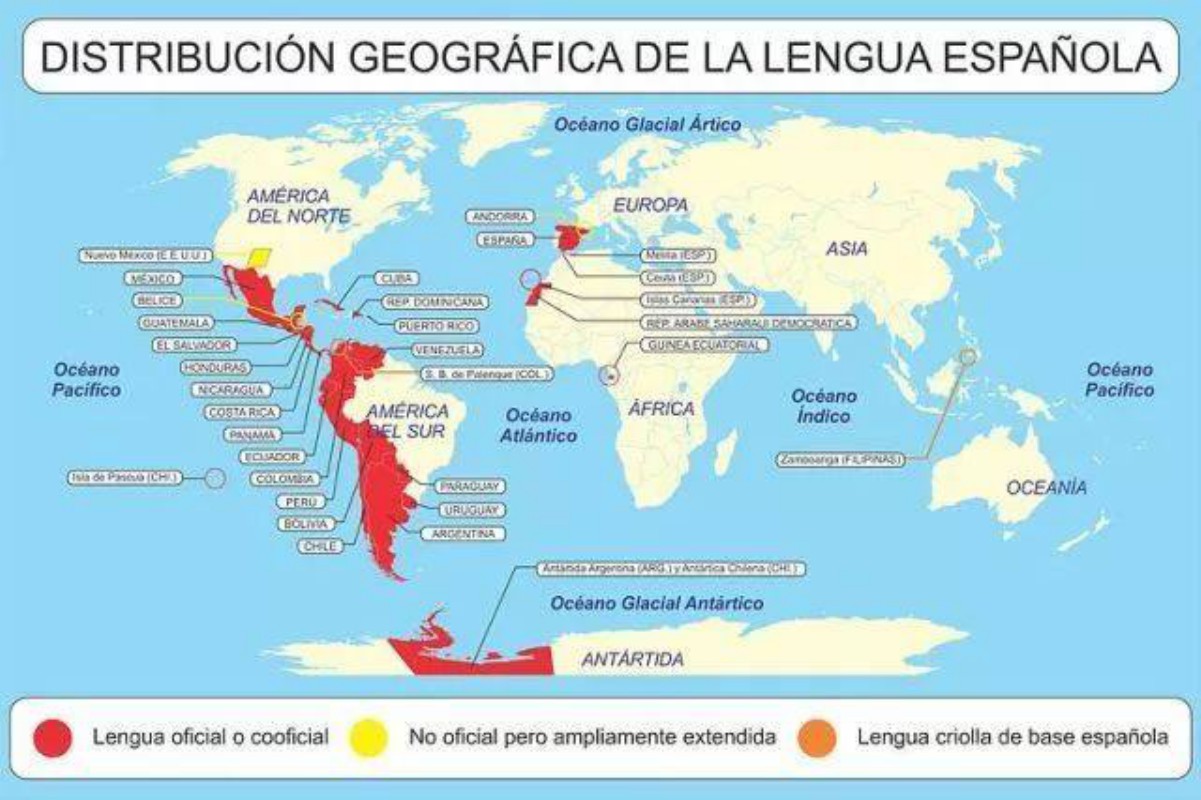
During pronunciation learning, listening more to native speakers’ readings is crucial, especially by shadowing texts from Spanish Basic Vocabulary to correct your mouth shape and pronunciation. You can find segments in Spanish podcasts or songs with slower speed to practice. Pay attention to regional pronunciation differences and choose an accent that fits your target region.
It is recommended that while learning pronunciation you combine listening, speaking, reading, and writing in different exercises to make your Spanish more natural and authentic. Feel free to share below which sounds you find the most difficult and your practice experiences.
