Confusion and Challenges in Learning Spanish
Many people who have just arrived to live in Spain encounter numerous puzzling aspects when learning Spanish. Whether chatting with friends or handling residence procedures, vocabulary, grammar, and even pronunciation will test both patience and comprehension.
Pronunciation Challenges
Spanish pronunciation is not as straightforward as it might appear in the American Spanish-speaking regions. For example, the “ll” can be pronounced differently depending on the region—some pronounce it similar to [y], others as [ʒ], or even as [j] sounds. Additionally, mastering the single and double trill of “r” can be tricky for many learners. Practicing tongue flexibility is crucial, and unfamiliar learners can benefit from closely imitating native speakers. 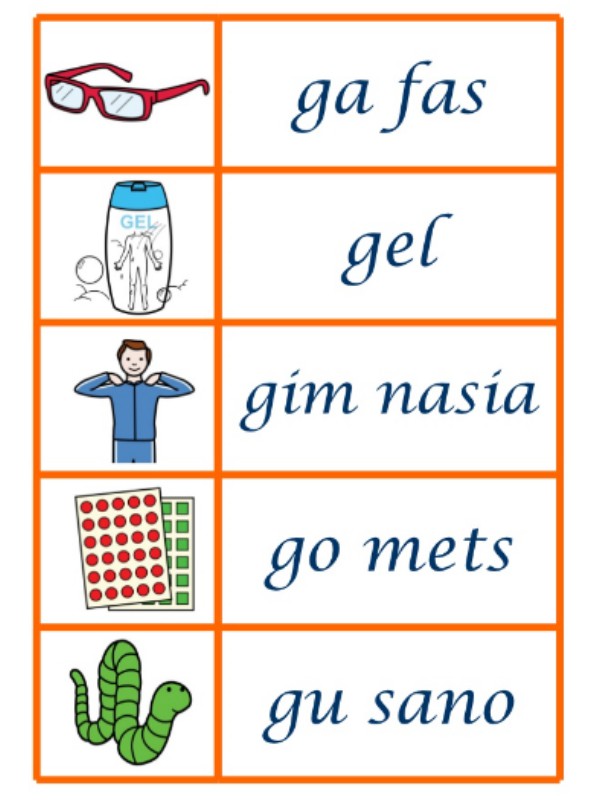
Usage of the Subjunctive
The subjunctive mood is a classic difficulty, appearing surprisingly often in everyday conversations. From expressing wishes and hypotheses, to polite suggestions—the subjunctive’s conjugations are unavoidable. Mastering common verbs in the subjunctive can significantly increase confidence in communication.
| Infinitive Verb | First Person Singular in Subjunctive |
|---|
| tener | tenga |
| ir | vaya |
| hacer | haga |
Regional Vocabulary Differences
Vocabulary differs greatly across Spain’s regions. For example, in Madrid, “coche” means car, whereas in some Latin American regions, “carro” is more common. Even everyday foods like “melocotón” may be called “durazno” in other areas. Don’t worry when encountering different terms—adapt flexibly.
Uniqueness of Common Expressions
Some phrases, when translated literally, can be confusing—for instance, “estar en las nubes” literally means “to be in the clouds,” but actually means to be absent-minded. Through experiences in Spanish-speaking countries, and by listening and speaking more, you can truly grasp the implied meanings. Engaging more with locals will let you feel the warmth of the language.
Cultural and Language Integration
Learning Spanish is not just about the language itself, but also understanding the culture behind it. Festivals, customs, and social interactions all influence language use. For example, in Andalucía, festival atmospheres are strong—greetings and conversational pace tend to be more enthusiastic. Once these details become part of your life, learning Spanish will feel more natural and enjoyable.
