Cultural Diversity in Spanish-Speaking Countries
If you have visited Spanish Proficiency Level 8 Cultural Knowledge in Spain or Latin America, you will have discovered that every Spanish-speaking country has its own unique cultural foundation. They share a language, yet their history, folklore, cuisine, and even daily greetings each carry their own charm. This diversity is precisely what makes them so captivating.
History and Traditions
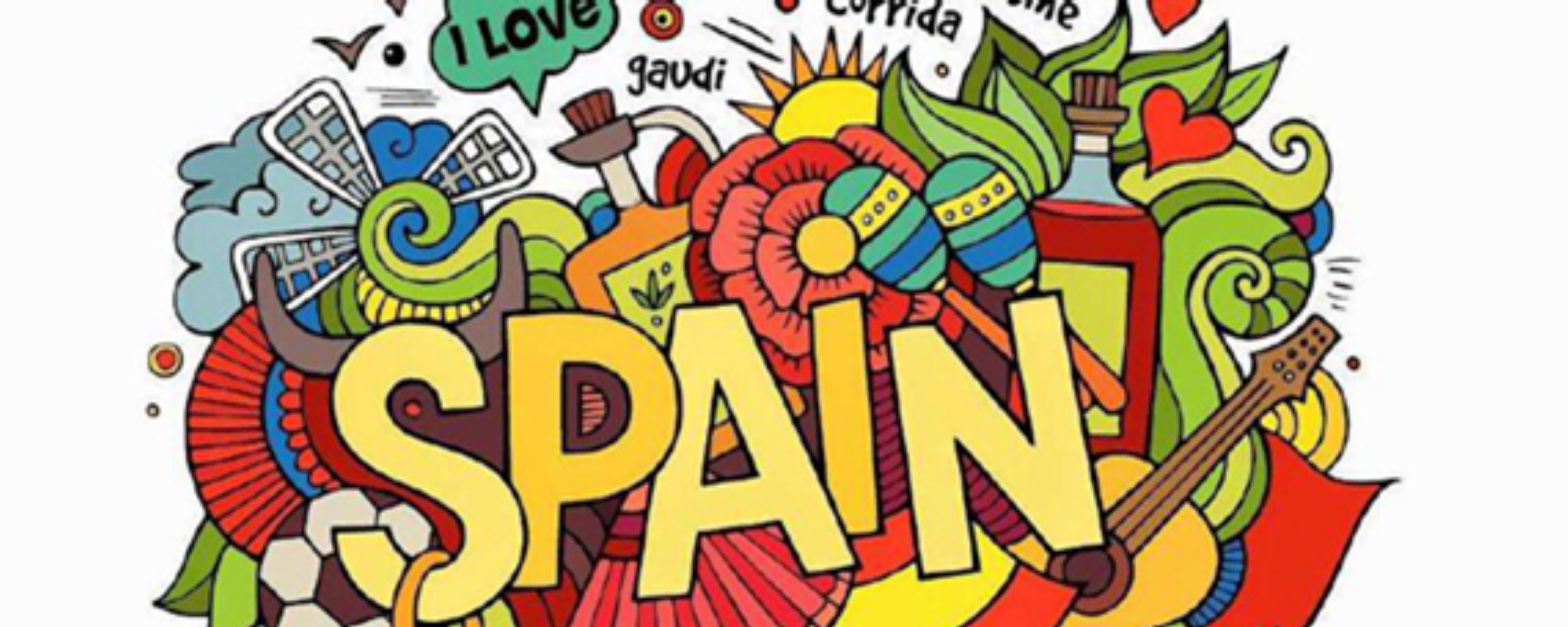
Spain’s flamenco, Mexico’s Day of the Dead, and Argentina’s tango all reflect distinct historical paths and national emotions. While colonial history and the Spanish language link these countries together, indigenous cultures intertwine with European influences, creating rich and layered cultural landscapes.
| Country | Representative Culture |
|---|
| Spain | Flamenco, bullfighting |
| Mexico | Day of the Dead, mariachi |
| Argentina | Tango, mate tea |
| Colombia | Coffee culture, cumbia dance |
Cuisine and Lifestyle
Wandering through Latin American city markets, you will see brightly colored fruits, the aroma of grilled meats, and street-side tacos. Spain’s paella forever captures the taste of the sea. Food not only satisfies the palate, but also serves as a vital social connector.
Language and Cultural Expression
Even within Spanish, Mexicans often greet with “¿Qué onda?” while Spaniards say “¿Qué tal?”. Such subtle differences become especially intriguing while traveling and can turn into little adventures along the journey. Language is a vessel for culture, and each region’s expressions carry a unique warmth.
Festivals and Music
Festivals are snapshots of culture. From Spain’s Tomato Festival to Chile’s grape harvest celebrations, people sing, dance, taste wine, and connect, strengthening bonds within the community. Music is a common language that transcends borders.
When planning your next trip, consider immersing yourself in the rhythm of life in a Spanish-speaking country. You may discover a different version of yourself in the process.
