Detailed Rules for Gender and Number Changes in Spanish Nouns
When living in Spain or studying Spanish, understanding Spanish plural forms is an essential piece of core knowledge. Mastering these rules not only makes your spoken language sound more natural but also reduces grammatical errors in written communication.
Basic Rules of Noun Gender
Spanish nouns have masculine and feminine forms. Typically, nouns ending in -o are masculine, while those ending in -a are feminine. For example:
| Masculine | Feminine |
|---|
| chico | chica |
| perro | perra |
There are exceptions, such as “mano” which ends with -o but is feminine. Such exceptions need to be memorized separately.
Methods for Changing Singular to Plural
Usually, changing singular nouns to plural follows these rules:
- For nouns ending in a vowel, add -s (e.g., casa → casas).
- For nouns ending in a consonant, add -es (e.g., papel → papeles).
- For nouns ending in z, change z to c and then add -es (e.g., lápiz → lápices).
These changes are very common in everyday conversation and writing, and they require plenty of practice in real usage. 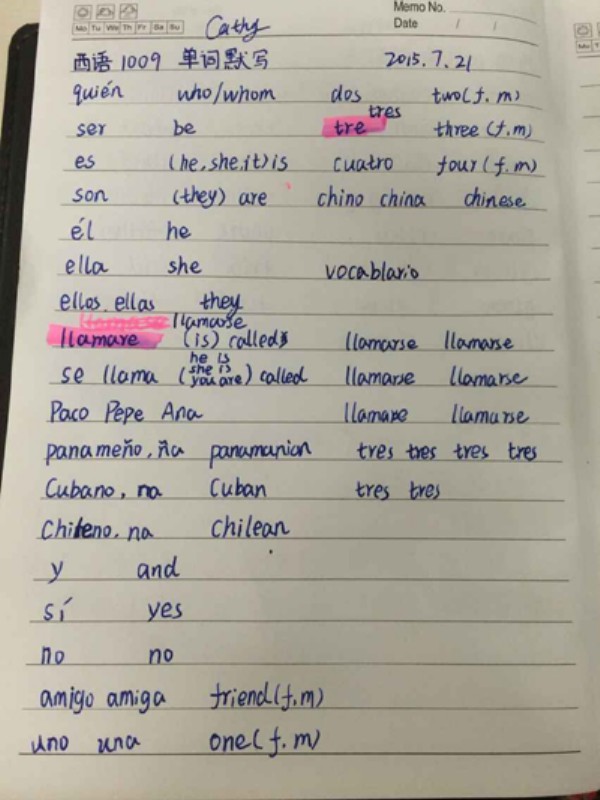
Irregular and Special Forms
Although clear rules exist, there are also irregular changes. For instance: “el agua” is a feminine noun but uses the masculine article due to pronunciation reasons. There are also nouns that have the same form in both singular and plural, such as “la crisis”. These are frequent mistakes in exams and daily communication.
Learning Tips and Memory Aids
To remember these changes, you can use association methods, such as linking masculine nouns to male images or items, and feminine nouns to female images. Or practice repeatedly making sentences with Spanish nouns, gradually forming a reflex. You can also create your own table marking irregular nouns separately and review it daily to make your memory stronger.
Practical Application in Daily Life
When shopping in Spain, mastering noun changes can help you communicate faster with shopkeepers. For example, when ordering coffee, use “café” and for plural “cafés”; when buying bread, use “pan”, plural “panes”. By using, listening, and remembering them often in daily life, you will quickly and naturally grasp and apply these grammar rules.
