University Spanish Teacher Qualification Interview Process and Preparation
Many aspiring to enter universities to teach Spanish feel nervous about the teacher qualification interview stage. Based on recent interview experiences, here is a compilation of practical information and preparation advice for your reference and discussion.
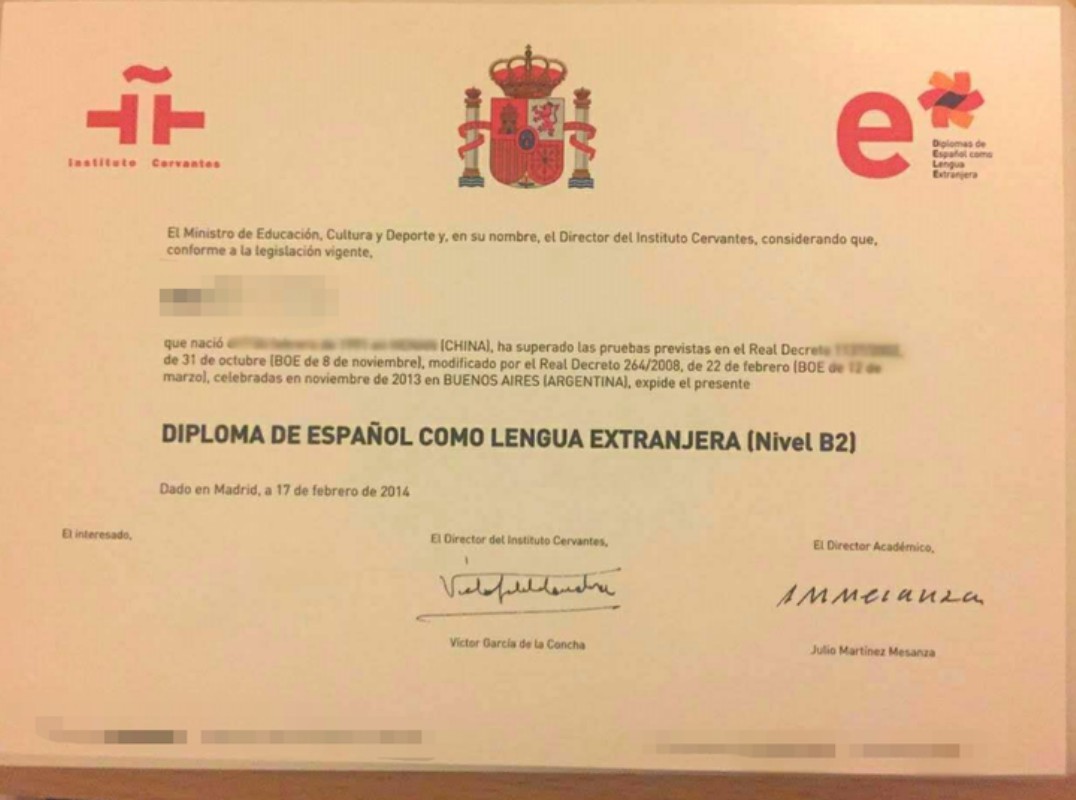
Overview of the Interview Process
Usually, the university Spanish teacher qualification interview consists of three parts:
| Stage | Content |
|---|
| Teaching Demonstration | Simulated classroom teaching to showcase language knowledge and teaching skills |
| Professional Q&A | Direct questions from examiners involving linguistics and cultural knowledge |
| Comprehensive Quality Assessment | Includes tests for psychological readiness and communication skills |
For the teaching demonstration, it is recommended to prepare a specific topic in advance, such as methods for teaching Spanish verb conjugation, and include some interactive activities so that the examiners can see your classroom management skills.
Key Points for Demonstration Preparation
Moderate speaking speed and a clear classroom structure are crucial. You may arrange in the sequence of Introduction-Explanation-Practice-Summary to ensure smooth transitions between sections.
For example: When explaining the use of the subjunctive mood, introduce a real-life conversational scenario so that students grasp the grammar in context—this often earns greater approval from examiners.
Professional Q&A Techniques
During the interview, examiners may ask about differences between European Spanish and Latin American Spanish, or the background of language policies. It is advisable to review relevant academic resources beforehand and respond in a concise, logically structured manner.
Avoid overusing jargon unless you can explain it clearly within a short time, as this better demonstrates teaching ability rather than pure academic knowledge.
Mindset and On-Site Performance
Many candidates may become overly nervous on the interview day. My suggestion is to take deep breaths during the waiting period, greet the examiners proactively upon entering the room, and maintain confident eye contact.
Keeping a smile and open body language helps create a positive interview atmosphere.
Post-Interview Reflection and Improvement
After the interview, quickly summarize your strengths and areas for improvement. For instance, if the University Spanish recruitment revealed insufficient student interaction during the demonstration, you could include more situational conversation exercises in your next practice session.
Consistent learning and simulated interview exercises will make you calmer and more confident in your next interview.
Feel free to add your own experiences or questions in the comments section. Through mutual exchange, we can all achieve better results in Spanish teacher qualification interviews.
