Detailed Explanation of Spanish Month Abbreviations
When living in Spain or learning Spanish, you will often encounter abbreviated forms of months in dates. Mastering these abbreviations not only makes it easier to read news, bills, and event schedules, but also helps with everyday writing.
Common Month Abbreviation Table
| Month | Abbreviation |
|---|
| January | ene |
| February | feb |
| March | mar |
| April | abr |
| May | may |
| June | jun |
| July | jul |
| August | ago |
| September | sep |
| October | oct |
| November | nov |
| December | dic |
Usage Scenarios for Abbreviations
In Spain, dates on bills are often written in abbreviated form, such as “15 sep 2024,” saving space and fitting local writing habits. Likewise, train tickets, event posters, and smartphone calendars frequently use these abbreviations. Note that month names are usually lowercase in the middle of a sentence, which differs from English.
For example: If the Spanish months on an invitation you receive are written as “8 oct,” this means the event will be held on October 8th. Knowing these abbreviations can help you avoid scheduling confusion.
Important Differences to Note
Some Spanish month abbreviations differ slightly in Latin American regions, especially September. While the differences are minor, when communicating across countries or reading publications from different areas, it’s wise to pay attention to avoid misunderstandings.
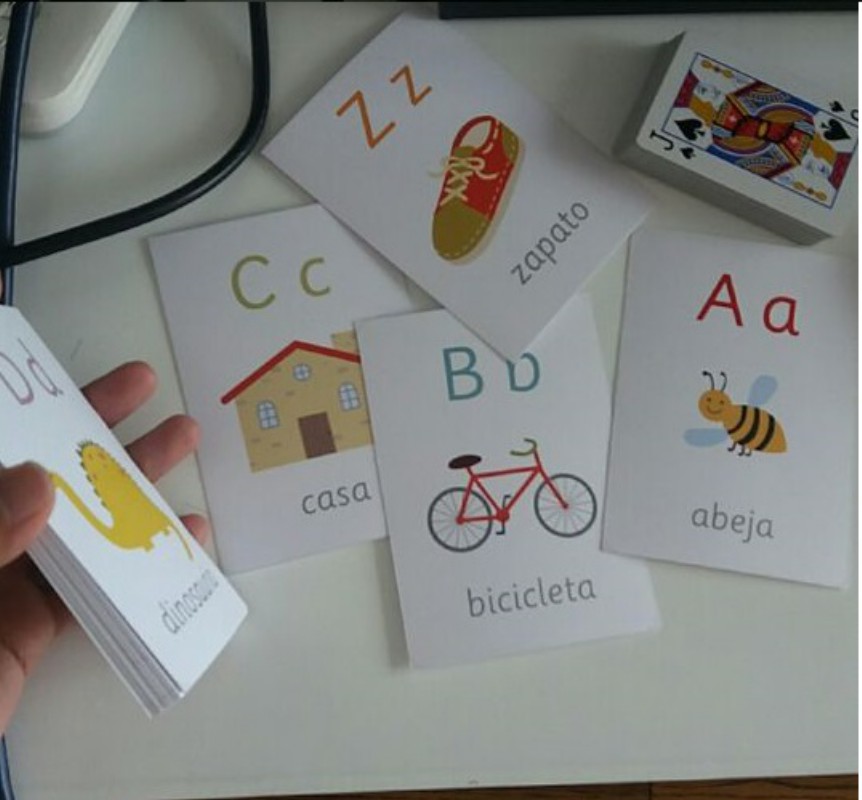
Study Tips
In daily life, pay attention to dates on receipts and notices, linking encountered abbreviations to the context to aid memory. You can also write the full month name alongside its abbreviation in your notebook for stronger recall. With this method, you will soon be able to flexibly use these month abbreviations in everyday life. Do not overlook these seemingly small details; they will make your Spanish sound more authentic.
