How to Write Spanish Language Training Content
Writing Spanish training materials is not simply about translation—it is about making them feel natural both logically and sensorially to the user. Here I will share some practical writing methods suitable for exchanging experiences in forums and for future reference.
Define Your Audience and Goals
Whether for complete beginners or students with some level of proficiency, the design approach varies. For Modern Spanish beginners, more focus should be placed on basic pronunciation and common sentence patterns; for [Spanish Major] advanced learners, you can add cultural background and authentic expression. Avoid cramming in too many knowledge points at once, as this can create a heavy cognitive load.
Content Structure: Modular Organization
Modular planning allows learners to focus intensively on a specific category within limited time. For example:
| Module | Main Content |
|---|
| Pronunciation Training | Spanish alphabet, syllable pronunciation |
| Daily Conversation | Greetings, shopping, dining dialogues |
| Grammar Basics | Verb conjugation, tense usage |
| Cultural Extension | Festivals, common etiquette |
Dividing the course into modules provides learners with a clear sense of progress and allows instructors to adjust flexibly.
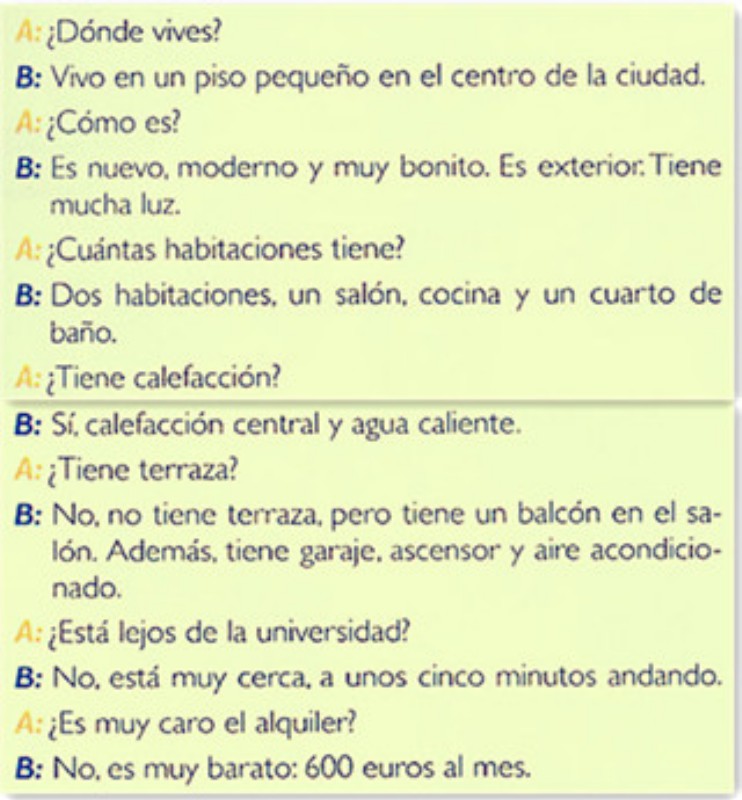
Multimedia and Interaction
Appropriate use of audio files, short videos, or situational role-plays can significantly increase engagement. For instance, when explaining “¿Dónde está la estación?”, accompany it with an image of a train station so learners can more easily make associations and remember. On forums, you can share download links or embed videos.
Importance of Error Feedback and Review
Include error examples in the training content so learners can identify and correct them. At the end of each unit, set aside 5–10 minutes for review, summarizing the unit’s core points. Different age groups can have tailored review strategies.
Incorporating Local Culture
Spanish is not just a language—it is a vehicle for culture. Training content can weave in stories, gastronomy, football, and other topics from various parts of Spain. This not only makes the language more engaging but also avoids the dullness of rote learning. For example, when discussing “tapas”, you can share signature dishes from different cities and encourage everyone to describe their own culinary experiences in Spanish.
By applying these methods, training content achieves better balance in structure, engagement, and practicality, making it easier for learners to feel their progress. Forums are also welcome places for sharing your course outlines for mutual review and improvement.
