Everyday Language in Barcelona
Many newcomers to Barcelona are often surprised: in shops, on the streets, and in the metro, what you hear is not always Spanish but another language that sounds different—Catalan. This is not because they intentionally neglect Spanish, but because the local [Barcelona language environment] has a unique linguistic and cultural background. Catalan is one of the region’s official languages, deeply integrated into all aspects of life.
Historical and Cultural Roots
Catalan boasts centuries of history, developing in parallel with Spanish. From the late 20th century to the present, the local government has promoted Catalan policies in education and administration, ensuring residents grow up using the language. This linguistic identity is strongly maintained on Barcelona’s streets and in family life.
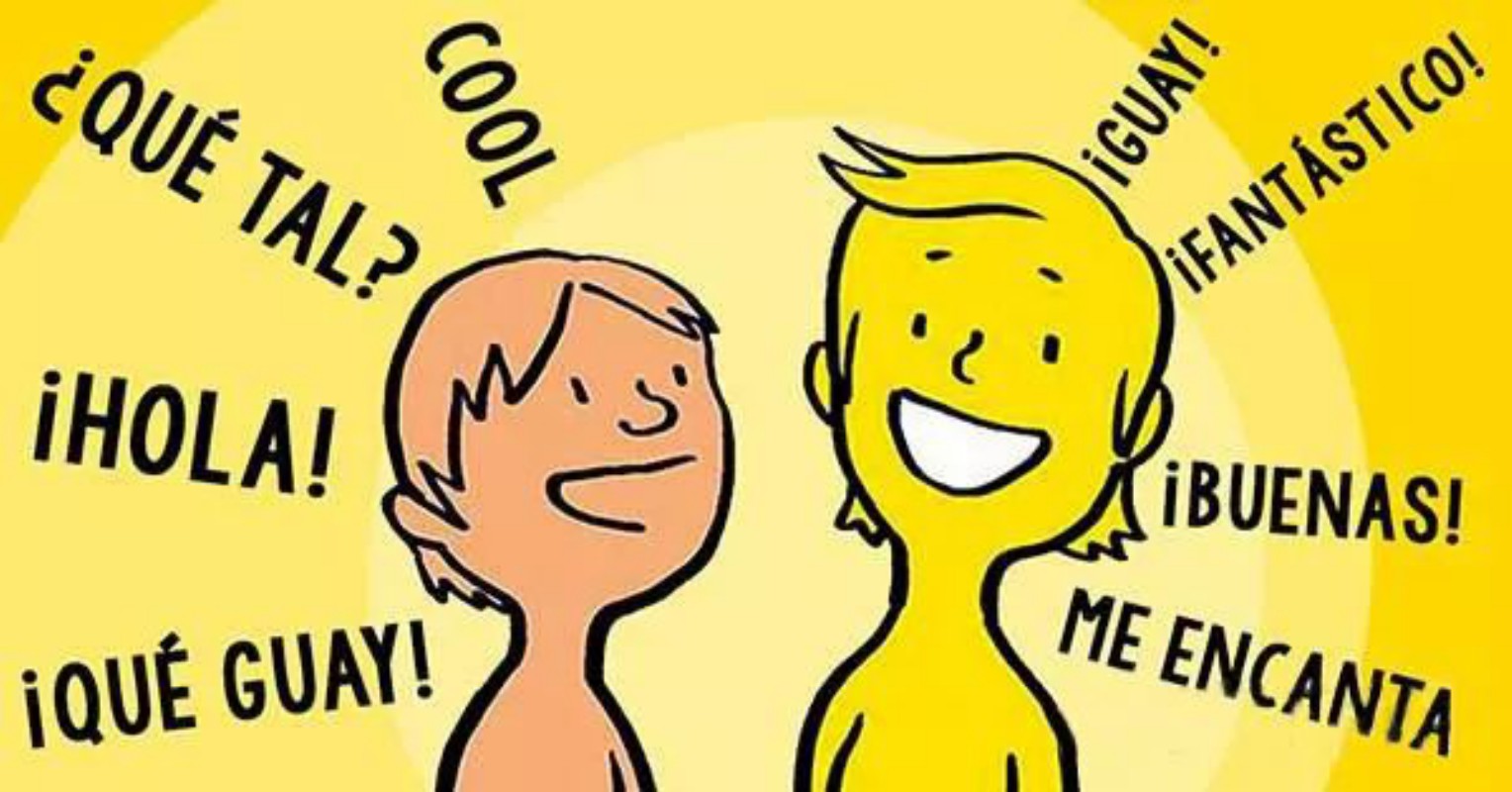
Two Languages in Daily Life
Living in Barcelona, you will almost daily encounter situations where language switching occurs. Waiters will default to Catalan when speaking with locals but will switch to Spanish if they realize you are from elsewhere. The following table summarizes common scenarios and the languages used:
| Situation | Commonly Used Language |
|---|
| Public school classrooms | Catalan |
| Government document processing | Catalan + Spanish |
| Tourist attraction services | Spanish + English |
Impact on Life and Work
New residents may initially feel communication pressure, especially in public services or community activities. However, learning some everyday Catalan phrases can help you integrate more easily and earn local respect. Additionally, cultural events, music, and theater often use Catalan, making learning the language an enjoyable part of life.
Learning Tips
If you plan to settle long-term in Barcelona, consider taking advantage of free community courses or language exchange events to gradually adapt to the bilingual environment. Catalan and Spanish differ in vocabulary and structure, but for those with a solid foundation in Spanish, Catalan is relatively easy to pick up.
Conclusion
Barcelona’s “not speaking Spanish” aspect, as described in Barcelona Spanish, is more of a linguistic and cultural phenomenon rather than rejection. Understanding and respecting this diversity can not only help you live more smoothly but also allow you to deeply experience the unique charm of this city.
