Preparation Before Departure
Before traveling, Zhu Caihui Zhizhu recommends mastering some basic Spanish words and short phrases, especially expressions related to transportation, accommodation, and dining. Although in many Spanish cities people may speak English, in small towns, markets, and traditional restaurants, using simple Spanish can make communication smoother. For example: Hola, Gracias—these can warm your journey.
Airport and Transportation
At the airport or station, common phrases for asking directions are essential, such as: ¿Dónde está la parada de autobús?. If taking the metro, you can ask: ¿Qué línea debo tomar para llegar al centro?. It’s recommended to print or save rail and metro maps on your phone, 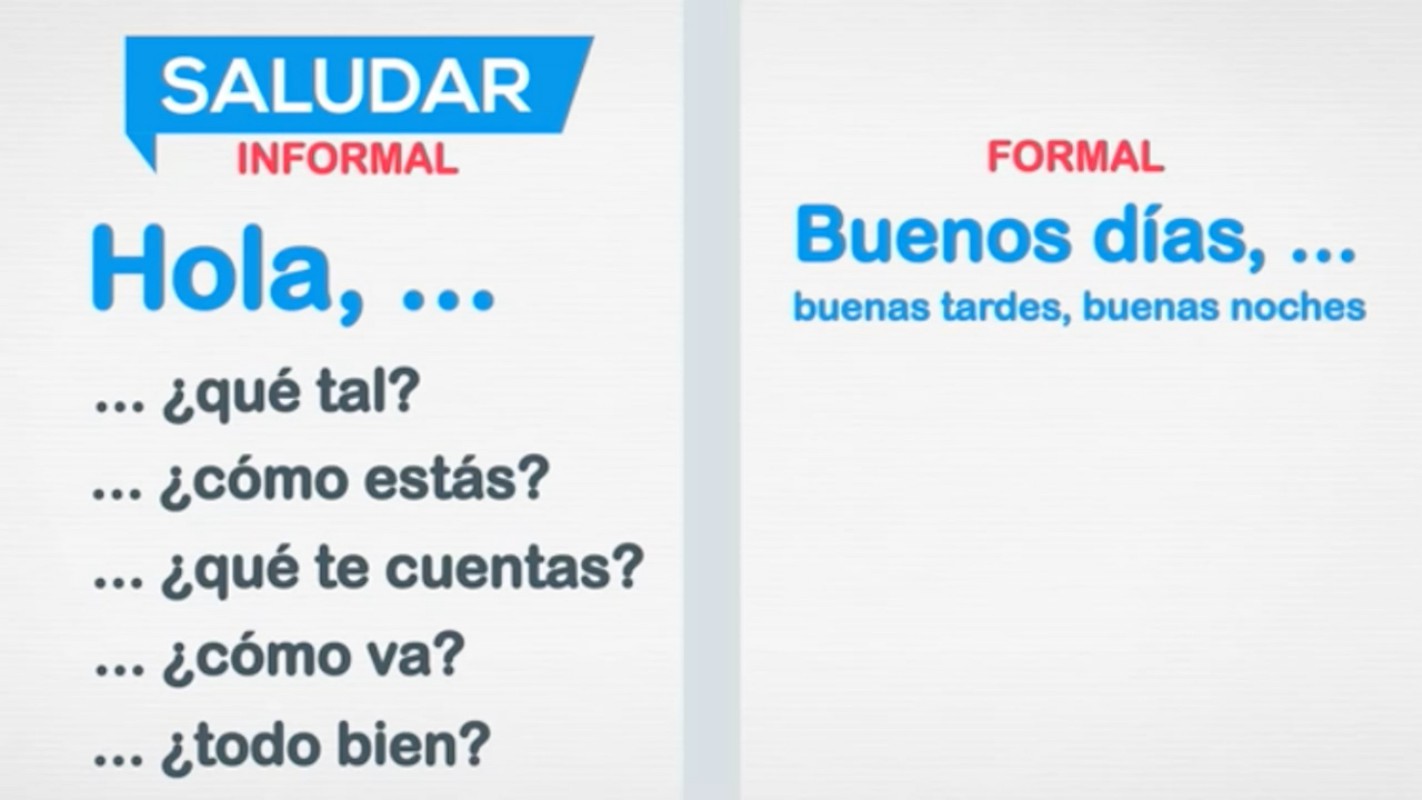 so you can easily show them to locals.
Dining and Ordering
In a Spanish restaurant, you often need simple exchanges with the waiter: Quisiera una paella, por favor. If Travel Spanish you want to specify taste or ingredients, you can use sin or con, for example: sin sal. This helps tailor dishes to your personal preference.
| Spanish | Meaning in English |
|---|
| Agua sin gas | Still water |
| Vino tinto | Red wine |
| Café solo | Black coffee |
Cultural Exchange
Zhu Caihui Zhizhu emphasizes that Spaniards value politeness and punctuality. When meeting for the first time, a handshake or a light cheek kiss is common. During festivities such as the Tomato Festival, asking: ¿A qué hora empieza la fiesta? shows your enthusiasm. Participation is the best communication.
Tips
During travel, mobile translation apps are useful supplementary tools, but avoid relying on them completely. Trying to speak with the Spanish you’ve learned can lead to more smiles and assistance with Spanish for Spain Travel. Also, getting used to the local pace and pronunciation is key to better understanding. The joy of travel often comes from these subtle interactions and cultural exchanges.
