My Spanish “Little Dove” Romance and Everyday Stories
After living in Spain for a while, I discovered that many everyday expressions carry a heartwarming emotional tone. For example, some people use “mi palomita” to address someone dear to them. This kind of nickname is not only common between couples but can also be a term of endearment from parents to children.
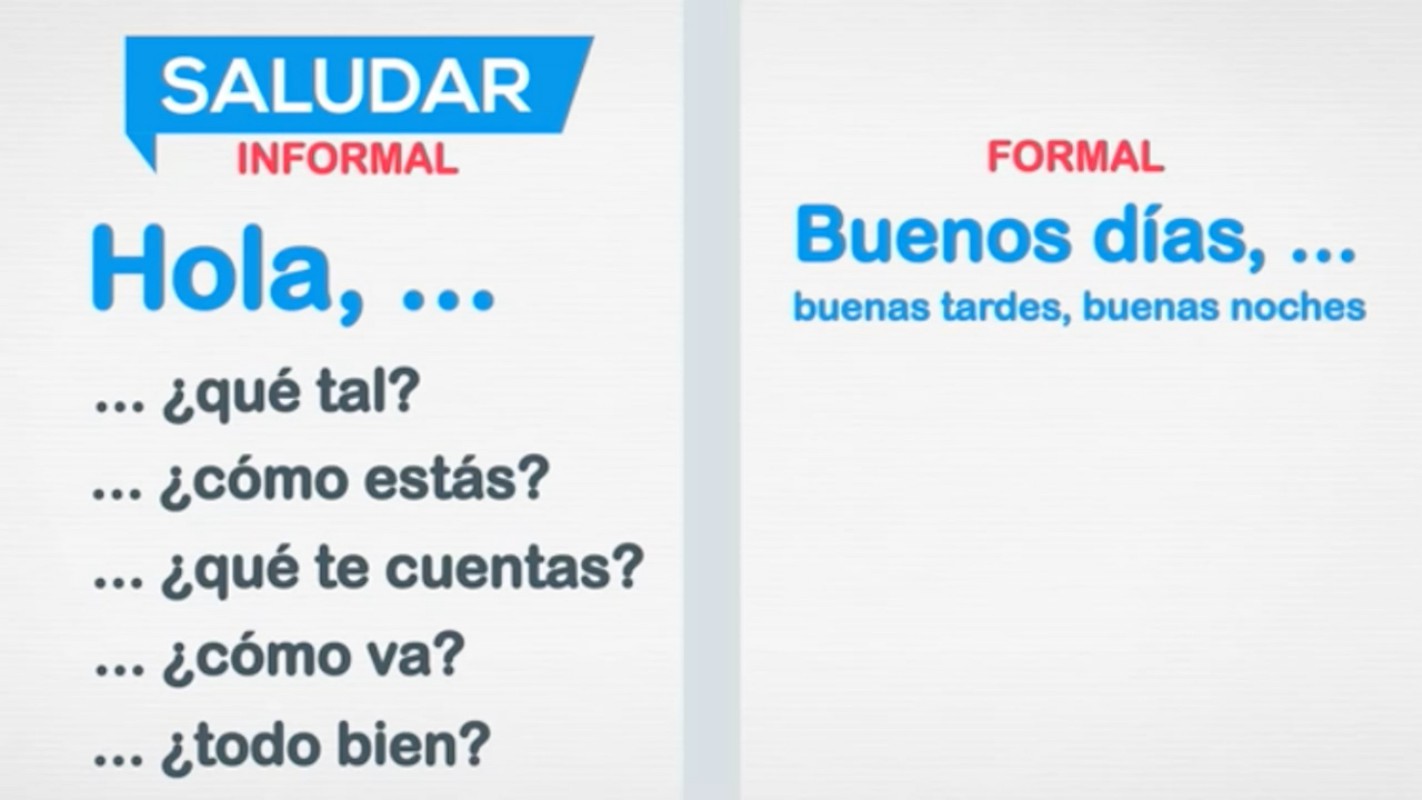
The Cultural Background of “My Little Dove”
In Spanish culture, doves symbolize peace, purity, and tenderness. When you call someone “mi palomita,” you are not only conveying affection but also expressing a sense of protection and cherishing. Especially in places like Andalusia or Valencia, older generations love to use such words to show their love for younger people.
Usage Scenarios and Tips
While many Spanish nicknames sound sweet, it is important to be mindful of the context:
| Usage Scenario | Suggestion |
|---|
| Between couples | Can be used in text messages or daily conversations to strengthen intimacy |
| Within family | Very common, especially for parents addressing children |
| Between friends | Use cautiously to avoid misunderstandings |
Tip: Between strangers, it is best not to use this nickname casually, as in some situations it may be considered overly affectionate. For more on this, see Spanish song “Dove”.
Variations of Nicknames in Spanish Daily Life
Besides “mi palomita,” there are other expressions like “cariño” and “corazón.” Each carries different levels of emotion and cultural nuance. Whether ordering in a restaurant or chatting in the street, these affectionate terms can make communication feel warmer.
My Personal Experience
When I first heard my elderly neighbor greet me with “palomita,” I felt a bit shy, but I later realized it was her tender way of addressing familiar friends. Now I’ve learned to say to friends at the right moment: “¡Hola, mi palomita!” Seeing their surprised and happy smiles has become one of my little joys of life in Spain.
Conclusion
Learning and correctly using these nicknames not only helps you integrate better into Spanish life, but also allows you to feel the warmth and emotion behind the language. Maybe next time you can try greeting a familiar friend with “mi palomita” and see what fun reaction you get.
