Overview of the Spanish-speaking Population in Argentina
Argentina is the second-largest country in South America by area and an important part of the Spanish-speaking world. Almost all Argentines are native Spanish speakers, and official statistics show that over 98% of the population can speak Spanish fluently. This highly unified linguistic environment facilitates social interaction and cultural transmission. Although you may hear English, Italian, and other languages in tourist areas, Spanish remains the dominant language.
Language Distribution and Dialect Features
The Spanish spoken in Argentina is primarily Rioplatense Spanish, a dialect heavily influenced by Italian immigrants, with pronunciation that differs significantly from European Spanish. For example, “ll” and “y” are usually pronounced like the English “sh,” which is distinctive for foreign learners. 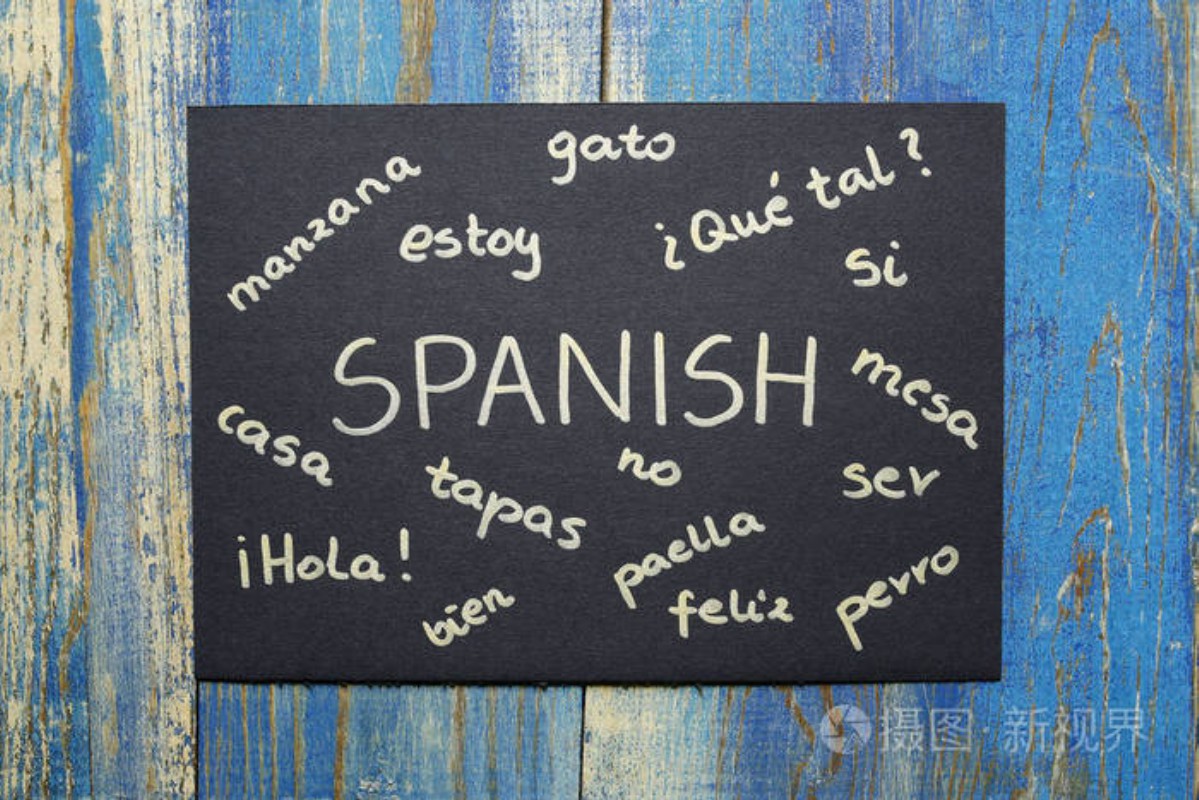 This pronunciation style is especially common in Buenos Aires and other large coastal cities, while in the northern and western regions, local dialects incorporate more indigenous language elements.
Language Situation in Urban and Rural Areas
In major cities such as Buenos Aires, Córdoba, and Rosario, the use of standardized Spanish is high, and both the media and education system promote uniform norms. However, in some rural and border towns, you might encounter phrases mixed with Guaraní or Quechua, as described in Spanish Population Bureau Terms, offering a great opportunity for language enthusiasts to observe linguistic evolution.
| City | Spanish Usage Rate |
|---|
| Buenos Aires | 99% |
| Córdoba | 98% |
| Rosario | 98% |
Immigration and Linguistic Diversity
From the late 19th century to the early 20th century, large numbers of immigrants from Italy, Spain, and other European countries arrived in Argentina, bringing vocabulary and accents that shaped the local Spanish. Although most descendants of these immigrants now speak Spanish exclusively, their family cultures still retain traces of their original languages, such as in cuisine, handicrafts, and festival names.
Tips for Living and Communicating
If you plan to live in Argentina long-term, mastering common Rioplatense Spanish vocabulary and pronunciation will help you integrate into the community more quickly. Especially in social situations, becoming familiar with local greetings and slang can help you avoid awkwardness. Do not underestimate the role of cultural differences. During the learning process, frequent interaction with locals will not only improve your language skills but also offer deeper insight into Argentina’s pace of life and warmth of its people.
Argentina’s Spanish-speaking population has an extremely high proportion, with a stable and rich language environment that benefits daily communication while providing Spanish-speaking Population abundant material for linguistic research.
