Common Greetings Comparison
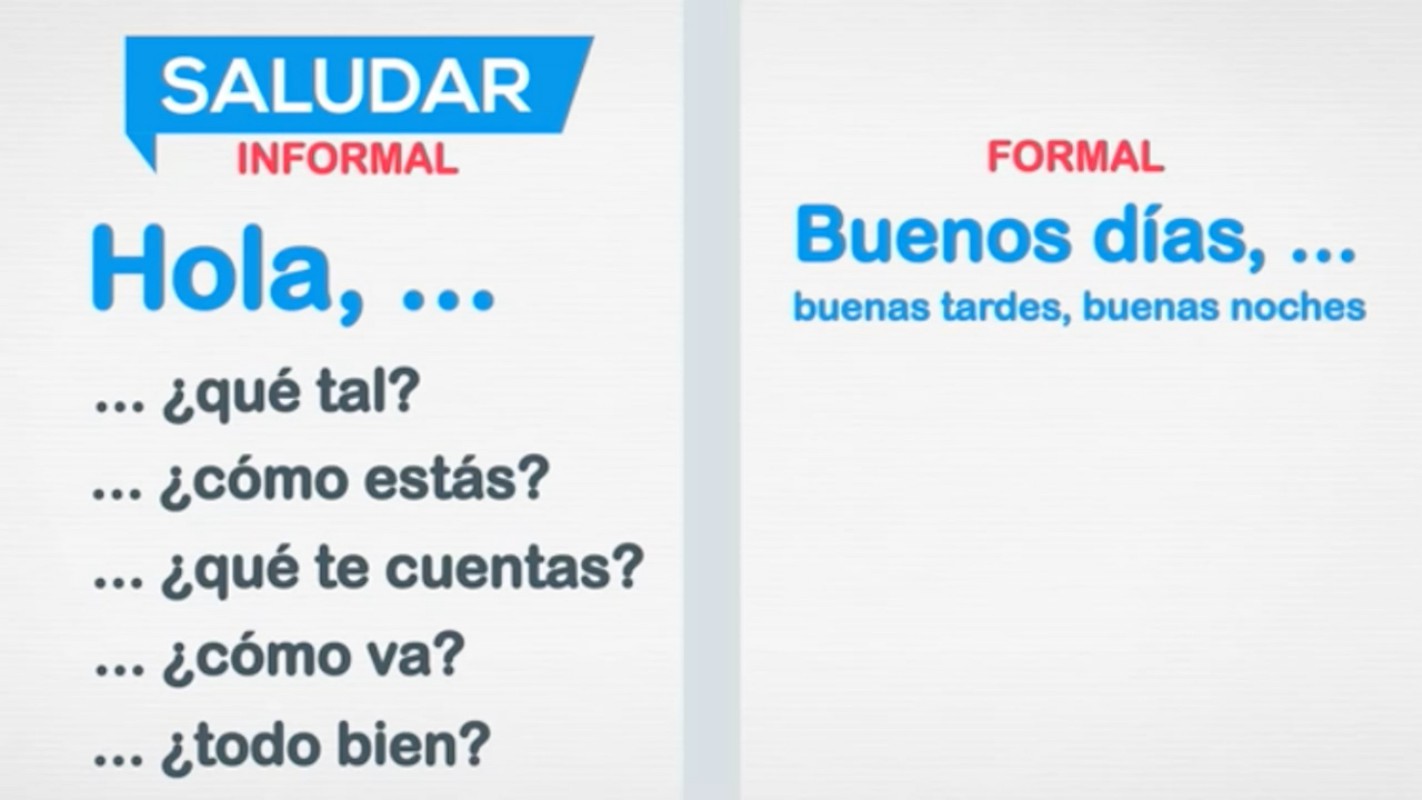
In daily life, greetings are the most basic part of communication. In Spanish, Hola means “hello,” while in French, Bonjour is used. Although their meanings are similar, the occasions for use vary slightly — in Spanish, Hola can be used all day long; in French, after the evening starts, Bonsoir is more common.
| Spanish | French |
|---|
| Hola | Bonjour |
| Buenas tardes | Bon après-midi |
| Buenas noches | Bonsoir |
Dining Scene Comparison
When ordering at a restaurant, Spanish speakers might say: Quisiera una paella, por favor, while the equivalent in French is: Je voudrais une bouillabaisse, s’il vous plaît. Both use the polite form “I would like,” though the choice of verbs and tone differ slightly.
When asking for the bill, in Spanish you say: La cuenta, por favor; in French, it is: L’addition, s’il vous plaît. These phrases are worth remembering, especially for friends who have just arrived in Spain or France.
Asking Directions and Transportation
When asking for directions in a city, in Spanish you might say: ¿Dónde está la estación de tren?, while the French equivalent is: Où est la gare?. Note that in Spanish, the verb estar is used to indicate location, whereas in French, être is typically used.
For the bus stop, in Spanish you could ask: ¿Dónde está la parada de autobús?, whereas in French: Où est l’arrêt de bus?. The structures are almost identical — once you memorize one, the other becomes easier to grasp.
Shopping Scene Comparison
When asking prices at a mall or market, in Spanish you can say: ¿Cuánto cuesta esto?, and in French: Ça coûte combien ?. Both ask “how much,” but the Spanish verb costar and French coûter sound quite different, requiring extra listening practice for beginners. Especially in noisy environments, catching the price clearly matters.
If you want to ask to try on clothes, in Spanish: ¿Puedo probármelo?; in French: Puis-je l’essayer?. Both use the first-person question form, showing a close correspondence.
Expanding Daily Expressions
Besides the Spanish-French sentence examples above, there are many more one-to-one expressions worth collecting. For example, to say “thank you”: in Spanish Gracias, and in French Merci; to apologize: Spanish Perdón or Lo siento, French Pardon or Je suis désolé.
Through Spanish-French sentence examples like these comparisons, you can deepen understanding of both languages and communicate more naturally in bilingual contexts while traveling, studying, or working. Feel free to share more matching examples below to enrich this small comparison table.
